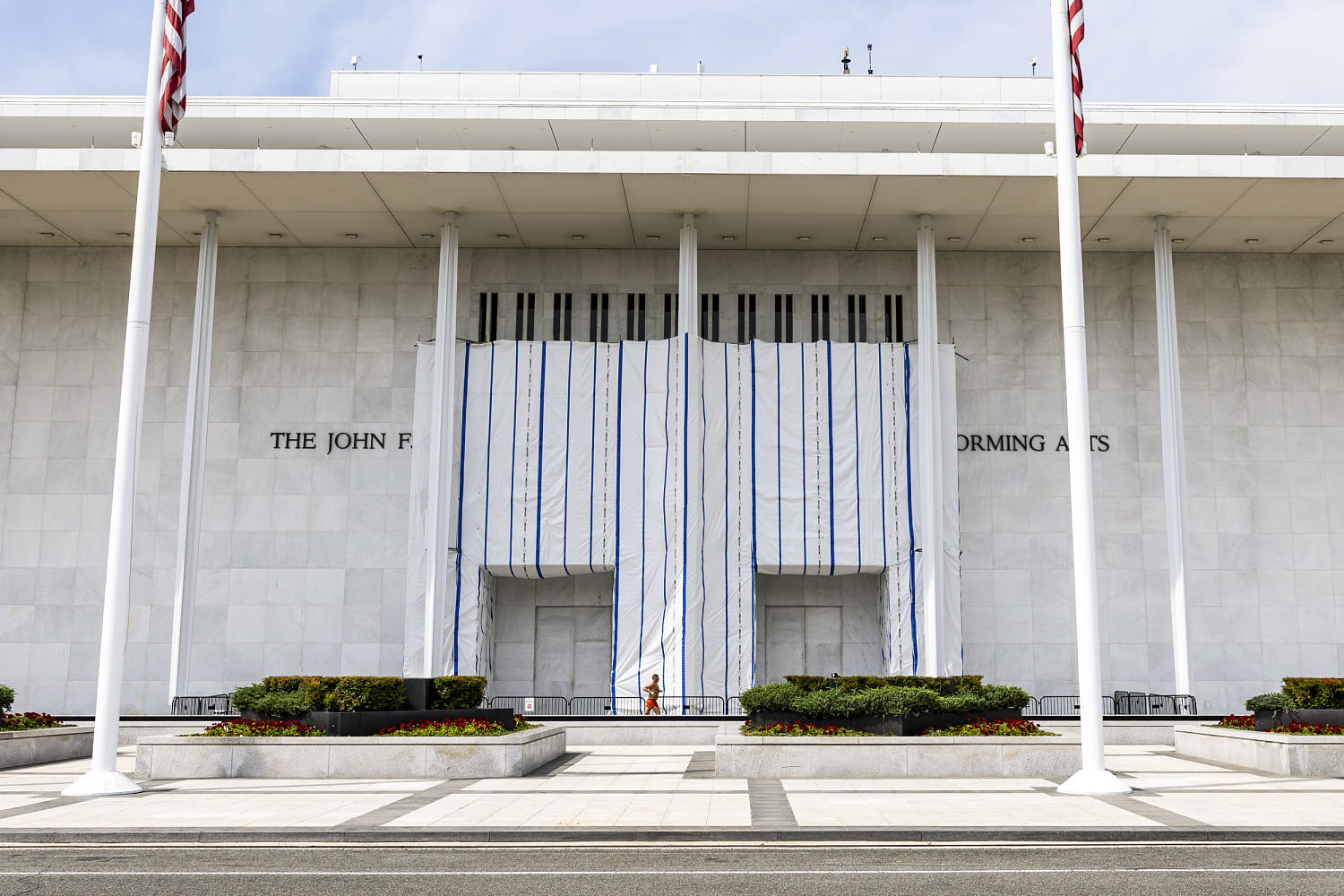
Another headline wringing its hands over concrete and steel. The Kennedy Center board votes to shut its doors, calling the iconic brutalist monument structurally compromised and unsafe, and the cultural commentariat immediately treats it like the fall of Rome.
Spare me the existential grief.
The lazy consensus says this is a tragedy of maintenance neglect and political vandalism. It is viewed as an assault on high art, a partisan hit job on a national shrine, and proof that our public institutions are rotting from the inside out.
That perspective misses the forest, the trees, and the entire ecosystem.
Shutting down the Kennedy Center is not a cultural catastrophe. It is a long-overdue eviction notice for a bloated, taxpayer-subsidized mausoleum that stopped taking creative risks decades ago. If a building is genuinely unsafe, close it. But let us stop pretending that pouring another hundred million dollars of public capital into a aging monument will somehow resurrect the bleeding edge of American performance.
The Myth of the Sacred Venue
Look at the financial reality. Operating a monolithic performing arts center requires a staggering burn rate. Millions go into climate-controlling cavernous halls, maintaining gargantuan lobbies, and subsidizing legacy programming that appeals to a shrinking, aging demographic of subscribers who buy tickets out of habit rather than passion.
When boards talk about deferred maintenance, they are usually admitting a simpler truth: the building costs more to keep alive than the art inside it is worth to the public.
We have conflated real estate with culture. We treat bricks and mortar as if they possess intrinsic artistic value, as though genius cannot exist without a crystal chandelier overhead and valet parking out front. That is an institutionalist trap. Culture does not live in concrete shells designed by Edward Durell Stone. Culture lives in warehouses, pop-up tents, cramped basement clubs, public parks, and digital spaces where audiences actually congregate.
By forcing the closure, the board is inadvertently doing what institutional inertia prevents everyone else from doing: cutting the cord.
Where the Money Actually Goes
Ask any producer who has tried to mount an adventurous, contemporary production in a legacy national venue about the economic reality. Between union overhead, administrative bloat, security mandates, and archaic stage regulations, the traditional performing arts center operates like a 1950s manufacturing plant.
The capital does not go to the artists. It goes to overhead.
Imagine a scenario where the tens of millions allocated annually to patch a sinking riverside structure were instead liquidated and dropped directly into independent grants, fringe festivals, and grassroots artistic incubators across the country. Within three years, you would see a renaissance of American theater, dance, and music that a thousand Kennedy Center galas could never buy.
Instead, we trap capital in physical monuments. We treat preservation as an end in itself. We keep the lights on in empty halls because admitting failure hurts political vanity.
The Brutal Truth About Cultural Irrelevance
The establishment panics because a shuttered Kennedy Center strips away the illusion of national consensus. For decades, these mega-venues served as the cultural embassy of the state—sanitized, bureaucratically approved art fit for visiting dignitaries and wealthy donors who want to feel philanthropic without feeling challenged.
Real art is rarely comfortable, and it certainly does not require a federal board of trustees to validate its existence.
When a major venue closes, artists adapt. They find cheaper, hungrier spaces. They strip away the multi-million-dollar set designs and focus on the writing, the performance, the raw friction between performer and spectator. They stop catering to the corporate donor dinner crowd and start speaking to the culture as it exists today, not as a mid-century bureaucrat imagined it in 1971.
Let the building crumble. Let the inspections fail. Let the board fight over the blueprints.
American art will be just fine the moment it stops waiting for permission from a monument.


