You have definitely touched a sweater hanging on a rack, felt its buttery softness, looked at the price tag, and wondered how a piece of clothing can cost four hundred dollars. Then, you walked over to the clearance table, spotted a sweater labeled pure cashmere for fifty bucks, and thought you beat the system.
You didn't. Meanwhile, you can explore related stories here: The Map We Never Had.
That fifty-dollar sweater isn't a bargain. It is a trap. Three washes later, it will look like a stray cat, covered in pills and stretched out of any recognizable shape.
Buying cashmere is tricky. The market is flooded with low-grade wool, misleading labels, and clothes that fall apart faster than cotton. If you want a piece that lasts for decades rather than months, you need to understand how this fiber works, why price actually matters, and what brands won't tell you about quality. To see the full picture, check out the excellent article by Apartment Therapy.
The Brutal Truth About Cheap Cashmere
Let's clear something up right away. Cashmere comes from the undercoat of specific goats—primarily raised in regions like Inner Mongolia, Mongolia, and Iran—where harsh winters force the animals to grow an incredibly fine, insulating layer of hair. That hair has to be manually combed out by hand during the spring molting season.
That labor-intensive process means real cashmere has a high baseline cost.
When a brand sells a cashmere sweater for under one hundred dollars, corners were cut somewhere. Usually, they use short, thick, low-grade fibers. Long fibers are strong, elastic, and resistant to pilling. Short fibers slip apart easily, creating fuzz and tiny knots on the surface of your garment within a few wears.
Worse yet, some cheap garments mix low-grade cashmere with wool or synthetic blends without shouting about it on the front tag. You end up paying for a luxury name while wearing a glorified blend that traps heat poorly and pills into oblivion.
What Pricing Tiers Actually Mean
Shopping for cashmere at every price point requires a roadmap. You have to know what kind of quality you are buying at different budget levels.
The Budget Tier Under One Hundred and Fifty Dollars
At this level, you are buying entry-level luxury or recycled yarn. Recycled cashmere actually deserves some credit here. Brands take old garments, break down the fibers, and spin them into new yarn. Because the fibers are already short, recycled cashmere pills easily, but it keeps waste out of landfills and often costs less than virgin wool.
If you buy new, cheap cashmere at this price point, expect a lightweight, loosely knit garment. Wash it exclusively by hand, lay it flat to dry, and accept that it has a lifespan of two to three years if you treat it like porcelain.
The Mid-Range Sweet Spot From Two Hundred to Five Hundred Dollars
This is where the magic happens for most wardrobes. Brands in this bracket—think Naadam, J.Crew's higher-end offerings, or Quince's premium lines—cut out traditional luxury markups by working directly with herders.
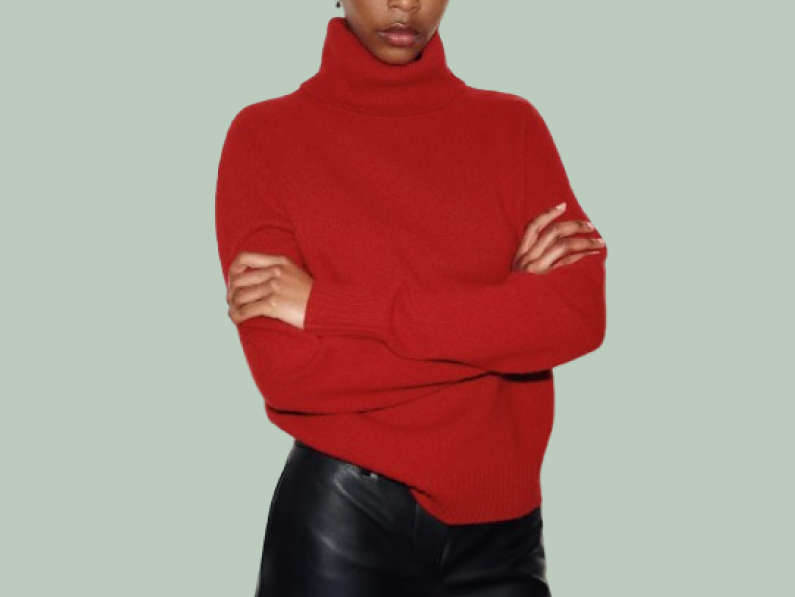
You get longer staple fibers, tighter weaves, and garments with genuine weight. A three-hundred-dollar crewneck sweater from a reputable mid-tier brand should feel substantial, bounce back when stretched, and soften up even more with every gentle wash.
The Heritage Luxury Tier Above Six Hundred Dollars
Brunello Cucinelli, Loro Piana, and similar heritage houses charge eye-watering sums. Are you paying partly for the name? Absolutely. But you are also paying for grade-A Mongolian fleece, master craftsmanship, hand-linking, and artisanal finishing that mass-market brands cannot touch.
These sweaters are investments. If stored properly away from moths and washed with specialized wool detergent, a Loro Piana piece can literally be passed down to your children.
How to Test Quality Before You Buy
Never buy cashmere online without checking the weight and ply. Ply refers to how many strands of yarn are twisted together. Two-ply is the industry standard for a reason. It offers the best balance of warmth and durability. Single-ply sweaters are often translucent, flimsy, and prone to immediate holes.
If you are standing in a physical store, run your hand across the fabric. It should feel soft, but not slippery. If it feels slick like polyester or silicone, it has been treated with chemical softeners to trick your skin into thinking it is high quality. Those chemicals wash out in the first cycle, leaving you with scratchy, stiff yarn.
Next, stretch the fabric slightly with both hands. Watch how it reacts. A well-knit sweater should spring right back into shape instantly. If the knit stays warped or loose, put it back on the shelf.
Finally, check the label for the country of origin. Scotland and Italy have centuries of textile heritage and often produce the finest spinning and dyeing work, while Inner Mongolia produces the raw fiber itself.
Caring for Your Investment
Even the most expensive cashmere will turn into garbage if you throw it in a top-loading washing machine with regular detergent. Heat and agitation are the mortal enemies of animal fibers.
You do not need to dry clean your sweaters every time you wear them. In fact, dry cleaning chemicals break down natural fibers over time. Instead, air your sweaters out after wearing. Wash them every four to five wears using lukewarm water and a few drops of baby shampoo or specialized wool wash like Soak. Never wring out a wet sweater. Roll it up in a clean towel to press out excess water, then reshape it flat on a drying rack.
Keep cedar blocks in your drawers to ward off moths, and fold your sweaters rather than hanging them. Hanger shoulders stretch out the neckline permanently.
Stop treating cashmere like a disposable trend. Spend your money where it counts, skip the fifty-dollar department store traps, and buy fewer, better pieces that will keep you warm for a decade.