The postcard version of New York City always includes them: horse-drawn carriages clattering along the paved paths of Central Park, carrying tourists under a canopy of green. It looks romantic. It looks historic.
But on June 17, 2026, that postcard shattered.
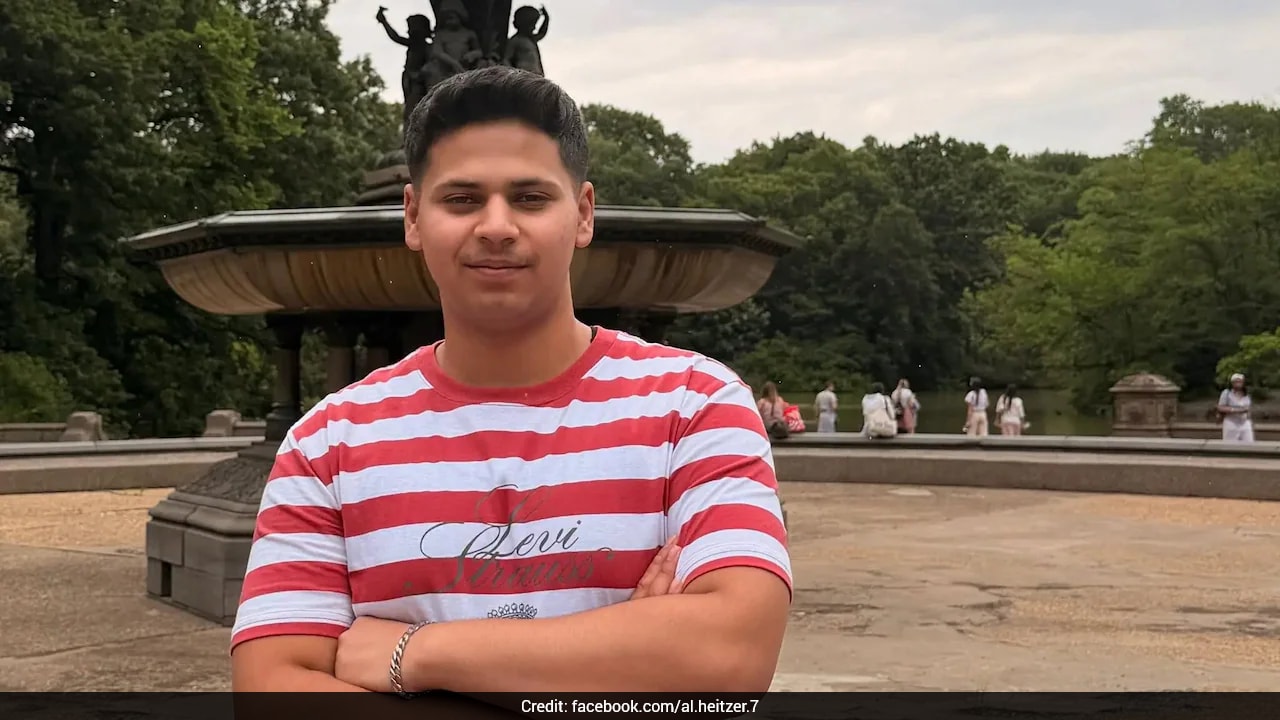
Romanch Mahajan, an 18-year-old tourist from India, was on his very first trip to New York. He had just graduated high school and was preparing to start college at Manipal University Jaipur. To celebrate, his family planned a dream vacation. Instead, the trip ended in an unimaginable nightmare.
While riding through Central Park, their carriage horse bolted. As the vehicle lurched violently, Romanch’s mother, Priya, was thrown onto the pavement. In a desperate, heroic instinct to save her, Romanch leapt from the moving carriage. He struck his head on the ground, suffering fatal injuries. He died later that night at NewYork-Presbyterian Weill Cornell Medical Center.
This was not a freak, unpredictable accident. It was the inevitable result of a broken system.
The Fatal Mistake on a Sunny Afternoon
To understand why this happened, you have to look at the exact sequence of events. The Mahajan family—Deepak, Priya, Romanch, and his 11-year-old brother—boarded the carriage expecting a peaceful tour.
Near Cherry Hill, the driver stopped the carriage. Wanting to give the family a keepsake, the driver stepped away from the reins to take a photo.
That single action broke a fundamental safety rule. Carriage drivers are never, under any circumstances, supposed to leave their horses unattended or step away to take pictures.
Left without a hand on the reins, the horse spooked. It bolted, accelerating wildly onto a sidewalk and across a grassy knoll. The driver ran desperately behind, but it was too late.
"We were yelling, 'Help me, help me!'" Deepak Mahajan recalled. "My son, just to save his mother, he fell off."
The carriage eventually clipped another vehicle and flipped over, breaking into pieces. While the rest of the family escaped with minor physical injuries, Romanch paid the ultimate price for a driver's negligence and an industry's stubborn refusal to modernize.
Romanch’s Law and the Fight to Ban the Carriages
For years, animal rights advocates and progressive lawmakers have tried to outlaw horse-drawn carriages in New York City. The efforts always stalled, blocked by powerful labor unions and traditionalists who view the carriages as an indispensable part of the city’s tourist economy.
But Romanch’s death has changed the political landscape.
A previously stalled bill in the New York City Council, formerly known as Ryder’s Law, has been officially renamed Romanch’s Law. Introduced by Council Member Christopher Marte and supported by Speaker Julie Menin, the legislation aims to phase out the carriage industry entirely.
At a recent, gut-wrenching City Council hearing, Deepak Mahajan testified virtually from India, pleading with lawmakers to finally take action.
"Now we are asking you plainly, 'Act now,'" he said through tears. He pointed out a devastating truth: if the council had passed the previous version of the bill last year, the carriages would have been off the streets by June 1, 2026.
"My son would have been alive," Deepak said.
Why Horses Don't Belong on City Streets
The industry often defends itself by claiming these accidents are rare. But the data tells a completely different story.
According to the Central Park Conservancy, there were at least eight horse-related incidents in or near the park between May 2025 and June 2026. Just weeks before Romanch's death, a carriage horse collapsed and died in the park, and another crash injured a driver.
The reality is that Manhattan is one of the most congested, high-stimulus environments on earth. It is a terrible place for a prey animal. Horses are easily startled by:
- Screaming sirens and honking horns
- Sudden movements from e-bikes and delivery scooters
- Construction noises and popping balloons
- Erratic behavior from pedestrians
When a half-ton animal panics, it becomes an uncontrollable projectile. The safety measures currently in place are largely performative. You can't train away a horse's evolutionary flight instinct.
The Path Forward for New York
If you want to support a safer, more humane New York, the path forward is clear. The city doesn't need to lose tourist revenue; it simply needs to transition to electric carriages, a solution that has already been successfully implemented in cities worldwide. This preserves the nostalgic, slow-paced park experience without exploiting animals or putting human lives at risk.
If you are a New York resident, contact your City Council representative and demand they vote in favor of Romanch’s Law. If you're a tourist visiting the city, vote with your wallet. Skip the carriage rides. Walk the park, rent a bike, or take a pedicab.
Romanch Mahajan came to America with big dreams. He left in a casket because of an outdated, dangerous tourist gimmick. It’s time for New York to grow up, face reality, and ban these carriages once and for all.