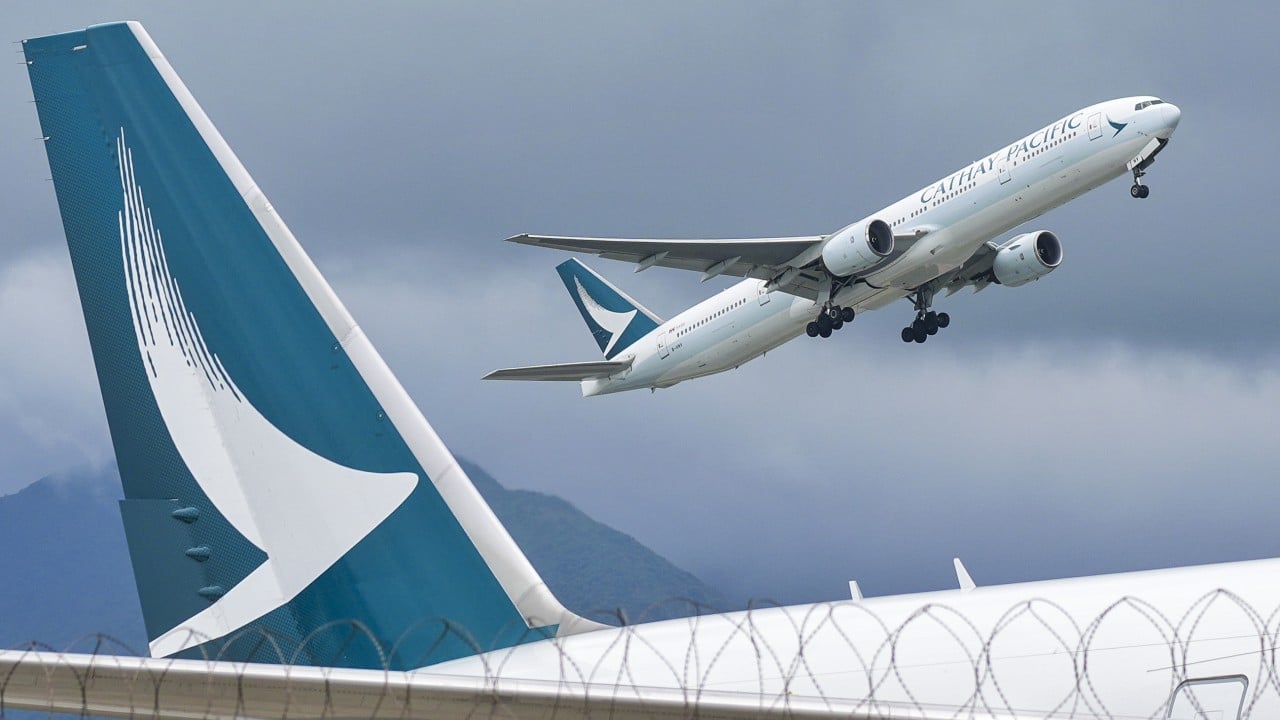
The financial press is celebrating another round of fuel surcharge cuts from Cathay Pacific as a massive win for the traveling public. They want you to believe that falling oil prices mean cheaper flights are finally here.
They are wrong.
The mainstream narrative surrounding airline pricing is built on a fundamental misunderstanding of aviation economics. When an airline announces it is lowering its fuel surcharge because Brent crude dropped, it is not a generous pass-through of operational savings. It is a tactical shell game.
I have spent years analyzing airline revenue management algorithms and watching carriers manipulate these auxiliary fees. The reality is simple: what the airline gives with the left hand, it takes back with the right. Fuel surcharges do not dictate the price of your ticket. Market demand does.
The Myth of the Transparent Fuel Fee
To understand why a surcharge cut is meaningless, you have to look at how airlines actually build a ticket price.
The industry wants you to think pricing is additive. They want you to think it works like this:
$$Base\ Fare + Fuel\ Surcharge + Government\ Taxes = Total\ Ticket\ Price$$
If the middle variable drops, the total price should drop. It sounds logical. It is also completely false.
Airlines use sophisticated dynamic pricing software that targets a specific total price the market will bear for a given route at a given time. If a business traveler is willing to pay $4,000 for a last-minute flight from Hong Kong to London, the airline will extract exactly $4,000.
Imagine a scenario where the government mandates a $100 reduction in the fuel surcharge for that route. The airline’s revenue management system does not just accept a $100 loss. Within minutes, the algorithm adjusts the base fare upward by $100 to maintain the equilibrium price point. The consumer pays the exact same total amount, but the breakdown on the receipt looks friendlier.
Why Surcharges Exist in the First Place
If surcharges do not actually change the final price of a ticket, why do airlines like Cathay Pacific keep them on the books? Why not just use a single, all-inclusive base fare?
The answer comes down to corporate contracts, frequent flyer programs, and travel agent commissions.
- Corporate Discount Evaded: Major corporations negotiate fixed percentage discounts on base fares for their employees (e.g., 10% off all business class tickets). These discounts rarely apply to fuel surcharges. By keeping the base fare artificially low and shifting a massive chunk of the ticket cost into "YQ" or "YR" codes (the technical designators for fuel surcharges), airlines successfully shield their revenue from corporate discount agreements.
- Frequent Flyer Exploitation: When you redeem your hard-earned miles for a "free" award ticket, you are still responsible for taxes and carrier-imposed surcharges. By lowering the base fare to near-zero and inflating the surcharge, airlines ensure that an award ticket still nets them hundreds of dollars in cash from the passenger.
- Commission Shielding: In regions where airlines still pay base commissions to travel agents, isolating the fuel fee protects cash flow, as commissions are calculated strictly off the base fare.
When Cathay Pacific lowers its fuel surcharge, it is usually because regulatory bodies like the Hong Kong Civil Aviation Department force their hand based on a lagging formula tied to spot jet fuel prices. It is a forced accounting adjustment, not a marketing decision to make travel cheaper.
The Flawed Premise of People Also Ask
Look at the standard questions travelers ask online whenever these announcements drop. The premises are fundamentally flawed.
Does a lower fuel surcharge mean I should buy my ticket immediately?
No. Waiting for a scheduled fuel surcharge adjustment is a fool's errand. While you wait for a $20 reduction in the regulatory surcharge, the base fare inventory for the cheaper booking classes (like 'Q', 'N', or 'S' class) is actively selling out. A shift from a discount economy bucket to a standard economy bucket will cost you far more than whatever minor savings you reap from a adjusted fuel fee.
Why are flight prices still high if fuel is getting cheaper?
Because fuel is only one variable in a massive operational equation. Airlines are currently facing skyrocketing labor costs, severe aircraft delivery delays from manufacturers, and increased maintenance expenses for aging fleets. More importantly, global capacity on premium routes remains constrained. As long as premium demand outpaces the number of available seats, total ticket prices will stay high, regardless of what happens to a barrel of oil.
The Dark Side of True Dynamic Pricing
There is an undeniable downside to looking at airline pricing through this contrarian lens: it proves that you, the individual consumer, have zero leverage over the baseline cost of travel. You cannot time the market based on oil commodity charts.
If you want to actually save money on air travel, you have to stop looking at the components of the ticket and start hacking the capacity constraints of the carrier.
- Ignore the Fee Breakdown entirely: When comparing flights, look exclusively at the final cash out of your pocket. An airline boasting "zero fuel surcharges" is often baking that cost directly into a higher base fare anyway.
- Target Hidden-City Opportunities: If a direct flight from Hong Kong to Tokyo is expensive due to high local demand, look at itineraries where Tokyo is merely a layover on the way to a cheaper destination.
- Book by Inventory Buckets, Not Dates: Use tools that show actual fare bucket availability. If an airline has only two seats left in its lowest economy tier, the price will jump drastically the moment those are gone, regardless of any announced surcharge cuts next month.
Stop celebrating the corporate PR theater of fee reductions. Cathay Pacific is a business running a tight capacity game in a high-demand hub. They are not giving discounts out of the goodness of their hearts. The total cost of your seat remains tied to scarcity, competition, and your own willingness to pay. Everything else is just creative bookkeeping.