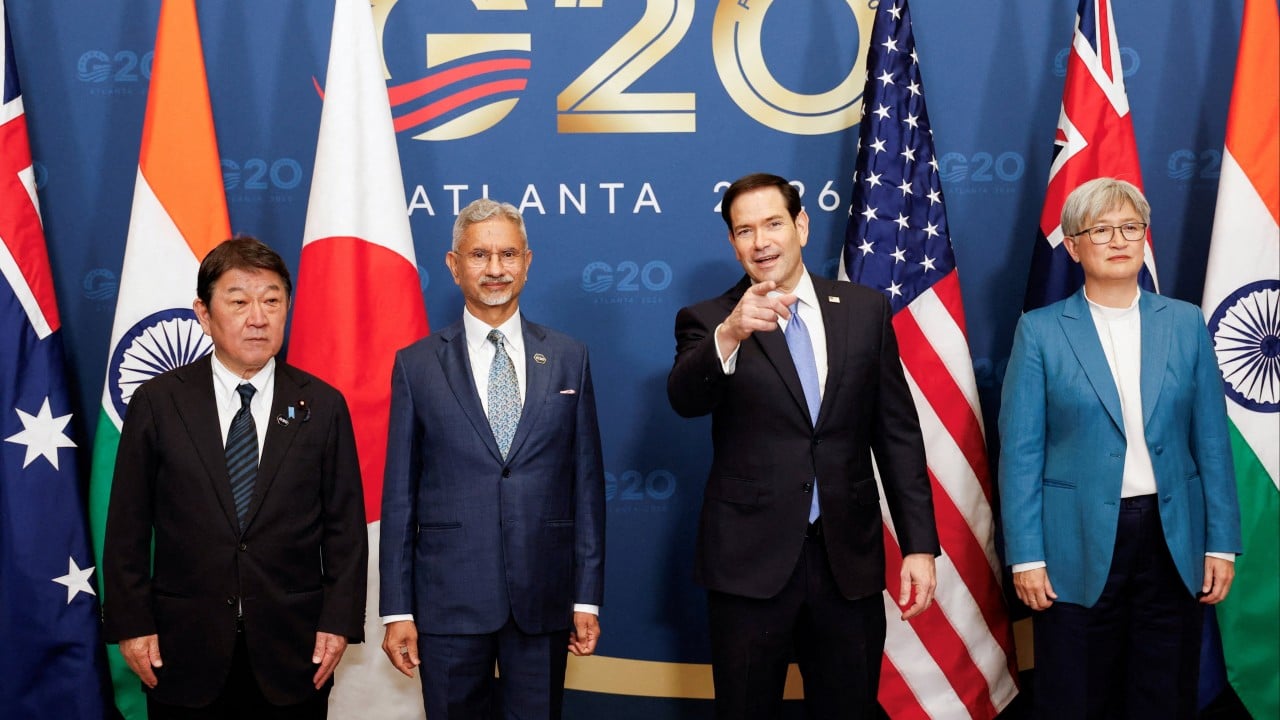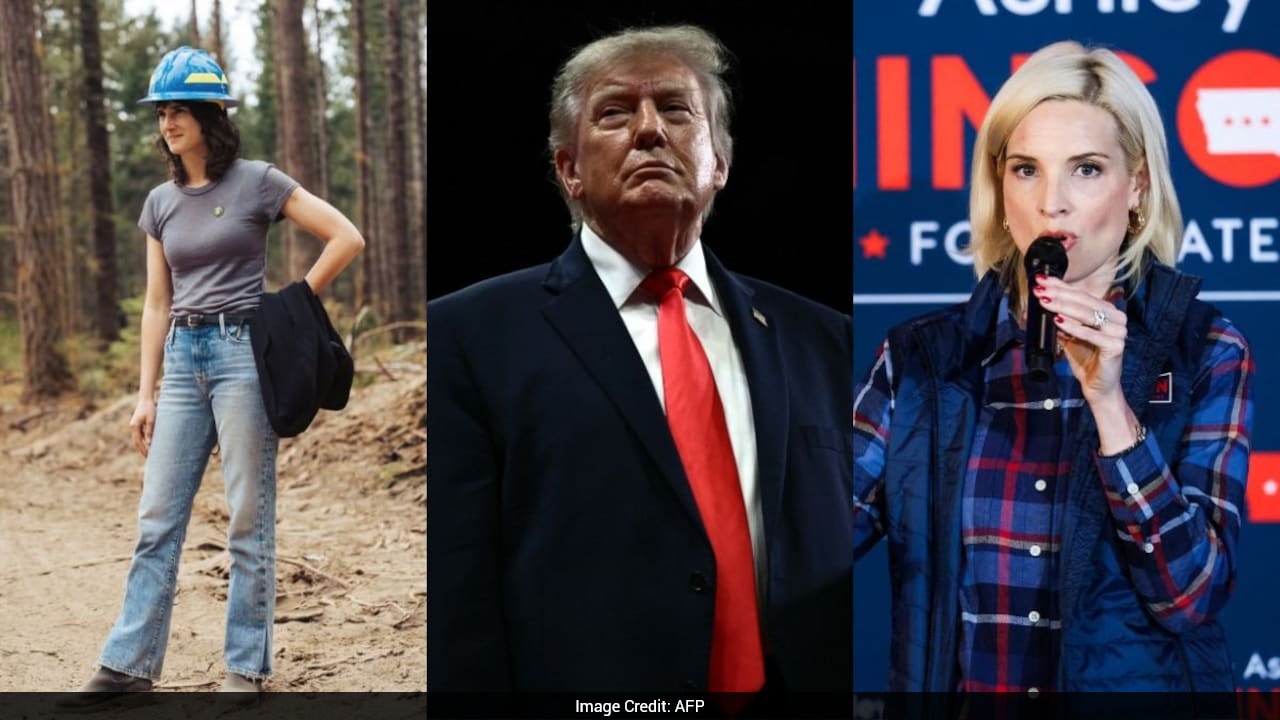
Politicians during US midterm elections use clothing as a silent, non-verbal persuasion tool to bypass voter skepticism, signal tribal allegiance, and manufacture relatability before a single policy position is spoken. In an era where media consumption happens largely on six-inch vertical screens with the sound muted, visual semiotics carry more immediate weight than legislative track records. Candidates strip away traditional Washington suits in favor of rolled-up sleeves, regional workwear, and carefully distressed denim to convince fractured electorates that they belong to the local community rather than the political class.
This is not vanity. It is tactical asset allocation. Campaign managers spend millions testing how specific color palettes, fabric textures, and silhouettes perform in focus groups across swing districts. When a senator trades a bespoke Italian blazer for a flannel shirt at a county fair, every thread has been vetted by communications strategists trying to solve a fundamental problem of modern democracy. Voters no longer trust institutional authority, so candidates must disguise their power. If you found value in this piece, you might want to read: this related article.
The Architecture of Manufactured Authenticity
For decades, the standard uniform of American political ambition was rigid. Dark wool suits, white button-downs, and red or blue silk ties projected stability, competence, and deference to the office. That uniform now reads as elitism to massive segments of the voting public.
Modern campaign strategy relies heavily on visual code-switching. A candidate running in a rural agricultural district might wear scuffed leather boots, a canvas barn jacket, and a faded baseball cap while touring a grain elevator, only to change into a tailored, structured sheath dress or a sharp suit for an evening fundraiser in the nearest metropolitan suburb. Neither outfit is accidental. Both are costumes designed to mirror the self-image of the specific audience holding the ballot. For another look on this development, see the recent update from The Guardian.
Consider a hypothetical example of a Senate challenger in the industrial Midwest. If that candidate arrives at a union hall wearing cufflinks and a silk pocket square, the visual barrier is immediate. The workers see an outsider asking for a favor. If the same candidate arrives in a dark crewneck sweater over an unbuttoned collared shirt, with sleeves pushed precisely to the mid-forearm, the visual friction drops. The clothing communicates shared labor, accessibility, and pragmatic focus.
The danger lies in overcorrection. Voters possess an acute radar for fraud, and nothing triggers cynicism faster than pristine, brand-new workwear. Political consultants routinely advise candidates to wash new Carhartt jackets multiple times or scuff new boots before a photo opportunity. When a politician steps out of a black SUV wearing stiff, crease-free denim that has clearly never seen a day of physical labor, the visual message backfires entirely. Instead of signaling solidarity, the outfit highlights the exact class divide the campaign was trying to erase.
Gender and the Double Bind of Political Styling
While male politicians have largely settled into a uniform of strategic casualness—the uniform of the relatable everyman—female candidates navigate a vastly more treacherous visual minefield. Every sartorial choice made by a woman running for office is scrutinized through competing, often contradictory cultural expectations.
If a female candidate dresses too casually, critics label her unprepared, unserious, or lacking executive presence. If she wears high-end designer labels, opponents attack her as out of touch with working families struggling with inflation. This forces women on the campaign trail into a narrow corridor of acceptable presentation.
- Color blocking as a survival tactic: Bright, solid colors like cobalt blue, emerald green, and magenta dominate female campaign wardrobes because they pop against neutral crowd backgrounds and command attention in crowded debate stages without appearing ostentatious.
- The rejection of overt luxury: Visible logos, statement jewelry, and trendy silhouettes are systematically eliminated to prevent opposition researchers from pricing an outfit and turning it into an attack ad.
- Structured practicality: Blazers with stretch fabrics, mid-heel block shoes, and wrinkle-resistant trousers allow candidates to survive fourteen-hour days of town halls and tarmac arrivals without looking disheveled on camera.
Historic shifts in congressional demographics have slowly expanded these boundaries. The arrival of younger, more diverse lawmakers brought hoop earrings, bold lipstick, sneakers, and culturally specific attire into the halls of Congress. Yet during tight US midterm elections, particularly in purple districts, campaigns still default to conservative styling. Risk aversion rules the consultant class. When a race tightens within the margin of error, individuality is the first thing sacrificed at the altar of broad appeal.
How Social Media Algorithms Dictate Campaign Wardrobes
Television once governed how politicians dressed. Broadcast cameras hated tight pinstripes, stark white shirts, and glowing reds, forcing candidates into medium blues and muted tones that wouldn't bleed on screen. Today, vertical video platforms like TikTok, Instagram Reels, and YouTube Shorts dictate the aesthetic rules of campaigning.
Short-form video rewards intimacy, immediacy, and rawness. A polished, studio-lit video of a candidate standing behind a podium in a suit feels like a commercial, prompting users to swipe away within half a second. Conversely, a front-facing smartphone video shot in a kitchen, a car, or a backyard—featuring the candidate in a hoodie, athletic wear, or a simple t-shirt—mimics the visual grammar of a friend's post.
The Rise of the Front-Camera Aesthetic
This algorithmic preference for casual intimacy has fundamentally altered how campaigns schedule and dress their principals. Candidates now film direct-to-camera policy explainers while walking their dogs or cooking dinner. The wardrobe is deliberately domestic. Soft knits, fleece vests, and worn-in sweatshirts lower the psychological defenses of the viewer.
By dressing down for the phone screen, politicians exploit parasocial intimacy. When a voter sees a congressman in a faded college sweatshirt talking about prescription drug prices from his living room couch, the interaction feels personal rather than transactional. The clothing bridges the gap between the viewer's private life and the politician's public office.
Yet this intimacy is entirely curated. Behind the casual fleece vest is often a digital director adjusting ring lights, scripting talking points, and A/B testing thumbnails to see which facial expression and shirt color generate higher retention rates. The informality is industrial-grade.
The Tribal Uniforms of Modern Partisanship
Beyond individual relatability, clothing during US midterm elections functions as an ideological dog whistle. American political polarization has sorted not just where people live and what news they watch, but how they dress. Campaigns weaponize these subtle cultural markers to signal ideological purity to their base without uttering a word that might alienate moderate swing voters.
On the political right, aesthetic signaling often leans into traditional Americana, rugged individualism, and anti-institutional defiance. Western wear, tactical-adjacent outerwear, cowboy boots, and prominent American flag pins serve as visual shorthand for cultural conservatism. Even the refusal to wear a tie in formal settings, or the deliberate adoption of hyper-traditional tailored suits in opposition to casual tech-industry norms, carries ideological freight.
On the political left, styling frequently emphasizes progressive values, sustainability, and grassroots solidarity. Candidates might highlight union-made garments, locally sourced accessories, or consciously understated minimalist fashion that rejects traditional displays of corporate wealth. The performative rejection of Washington norms—such as wearing sneakers on the campaign trail or abandoning formal business attire entirely—signals a commitment to disrupting established power structures.
Reading the Visual Subtext
Voters process these cues subconsciously, sorting candidates into "us" and "them" within milliseconds. A campaign rally crowd and the candidate on stage often mirror one another in aesthetic sensibility, creating a powerful visual loop of mutual validation.
| Visual Cue | Intended Political Signal | Underlying Strategic Risk |
|---|---|---|
| Rolled-up shirt sleeves | Hard work, readiness to tackle tough problems, accessibility | Can appear staged or overly rehearsed if paired with luxury watches |
| Regional workwear (flannel, denim, boots) | Shared economic background, rural or blue-collar solidarity | Triggers intense backlash if the candidate has an elite background |
| Bright monochrome blazers | Executive competence, visibility, energetic leadership | Risks looking overly corporate or disconnected from everyday struggles |
| Athleisure and hoodies | Modernity, transparency, unpretentious digital fluency | Can undermine perceived authority on serious economic or security issues |
| Bespoke tailoring and formal ties | Institutional respect, stability, traditional statesmanship | Easily framed by opponents as elitist, detached, or establishment-bound |
When Wardrobe Choices Destroy Campaign Narratives
Political history is littered with candidates whose clothing became the defining story of their campaign, drowning out their actual platform. Once an outfit becomes a meme or a symbol of hypocrisy, no amount of policy white papers can rescue the narrative.
The most common failure occurs when sartorial signaling clashes with biographical reality. Voters will forgive a wealthy candidate for being rich, provided the candidate does not pretend to be poor. When a multi-millionaire Senate hopeful puts on a brand-new, uncreased flannel shirt and stands in front of a tractor to talk about the struggles of family farmers, the visual dissonance is fatal. Opposition trackers capture the high-definition photos, zoom in on the pristine stitching, and circulate them alongside the candidate's financial disclosure forms.
Another recurring trap is the cost-of-living contrast. During midterm cycles dominated by inflation, high grocery prices, and housing anxiety, campaigns obsessively scrub their candidates' appearances for signs of quiet luxury. A pair of designer loafers, an expensive timepiece glimpsed beneath a rolled-up cuff, or a high-end handbag can become the centerpiece of devastating thirty-second attack spots. Strategists routinely instruct candidates to leave luxury watches in safe deposit boxes for the duration of the campaign, replacing them with inexpensive digital fitness trackers or standard leather-strap watches that project practical time-management rather than net worth.
Even weather gear carries political peril. The "storm jacket" photo op—where a governor or senator surveys flood or hurricane damage wearing an embroidered windbreaker with their name and title stitched across the chest—has become a cliché so transparent that voters increasingly mock it. What was once meant to project hands-on crisis management now frequently reads as opportunistic self-promotion during a tragedy.
The Illusion of the Unfiltered Candidate
The obsession with political styling reveals an uncomfortable truth about modern electoral politics. As substantive policy debates grow more complex and legislative gridlock makes tangible accomplishments harder to sell, campaigns lean harder on aesthetic persuasion. It is vastly easier to manufacture a relatable image than it is to pass comprehensive healthcare or tax reform.
Consultants know that most voters do not read policy platforms. They consume impressions. They see a three-second clip on their phone while waiting in line for coffee, or they glance at a mailer before tossing it into the recycling bin. In those fleeting moments of attention, the cut of a jacket, the color of a sweater, and the presence or absence of a tie do the heavy lifting of political communication.
Yet this hyper-curation creates a paradox. The more money and data campaigns pour into making candidates look natural, unscripted, and authentic, the more homogeneous and artificial politics becomes. Across fifty states, candidates from wildly different backgrounds end up wearing the exact same focus-grouped uniform of medium-blue button-downs and khaki chinos, delivering identical talking points in identical tones of studied sincerity.
Voters sense the artifice even when they cannot name the mechanics behind it. The endless cycle of dressing down to prove relatability while dressing up to prove competence leaves politicians trapped in a permanent performance, constantly adjusting their collars to match whatever anxiety is polling highest that week. Until the electorate rewards substance over aesthetics, the most important strategist in any congressional race won't be the pollster or the speechwriter—it will be the person holding the garment bag.