International interventions in troubled sovereign states rarely arrive as clean slates. They land in the middle of active power vacuums, institutional collapse, and localized sieges. When regional bodies attempt to midwife a return to democratic norms, the underlying friction points usually dictate failure long before ballots are ever printed.
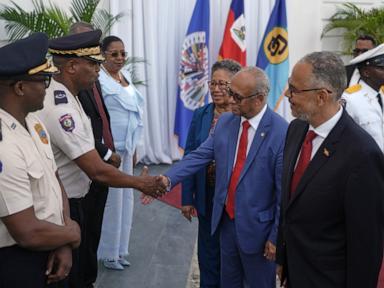
The Organization of American States, working alongside international partners, recently secured significant financial backing to assist Haiti in updating voter registries and securing essential identification materials. This diplomatic push aims to anchor a long-delayed electoral calendar. Yet, treating this milestone as a simple logistical fix ignores the physical reality on the ground. Vast swathes of the capital remain heavily contested by armed groups, making standard administrative preparation an exercise in high-stakes risk management.
The Mechanics of Displaced Citizenship
Restoring institutional functionality requires more than outside funding. Millions of citizens have been forcibly displaced from their homes, leaving behind vital civil documents, property deeds, and national identity papers. Without an aggressive mobile registration campaign, entire communities remain disenfranchised by default.
Logistical bottlenecks stretch far beyond urban centers. Regional offices frequently struggle with unstable power grids and unreliable internet infrastructure. Modernizing a national database demands reliable electricity and uninterrupted data connectivity, luxuries that remain scarce in decentralized districts. Technical assistance packages must address these foundational deficits rather than assuming a functioning administrative baseline exists.
Security Realities and Territorial Control
Elections require physical space to campaign, assemble, and cast ballots safely. When dominant factions control major transit arteries and logistics hubs, public administration becomes nearly impossible. International security support units face immense pressure to secure critical infrastructure, including primary routes leading to international ports and airports.
Without sustained territorial control, civil servants cannot safely deploy to rural and urban precincts. Protection must extend to local law enforcement officers, who often operate under equipped and vulnerable to retaliatory violence. Building credible public safety institutions requires specialized medical infrastructure, such as dedicated trauma response centers, to support security forces on the front lines of territorial reclamation.
Economic Survival Amid Political Transition
Political reform cannot outrun economic destitution. Chronic poverty, widespread hunger, and scarce employment opportunities fuel instability at every level. Engaging international business councils to evaluate foreign investment projects offers a necessary counterpart to security operations, but capital avoids environments defined by acute volatility. True stabilization demands simultaneous progress across security, economic development, and civil administration, ensuring that citizens see tangible improvements in their daily survival alongside political milestones.
Haiti - Elections : The OAS and Japan sign a new $3M cooperation agreement