Downtown Vancouver merchants are facing an unprecedented crisis of open drug use, public disorder, and declining foot traffic that threatens the economic viability of the city's commercial core. It is not merely a nuisance. It is an existential threat driven by systemic policy failures, fragmented municipal governance, and a widening chasm between theoretical harm reduction and street-level reality.
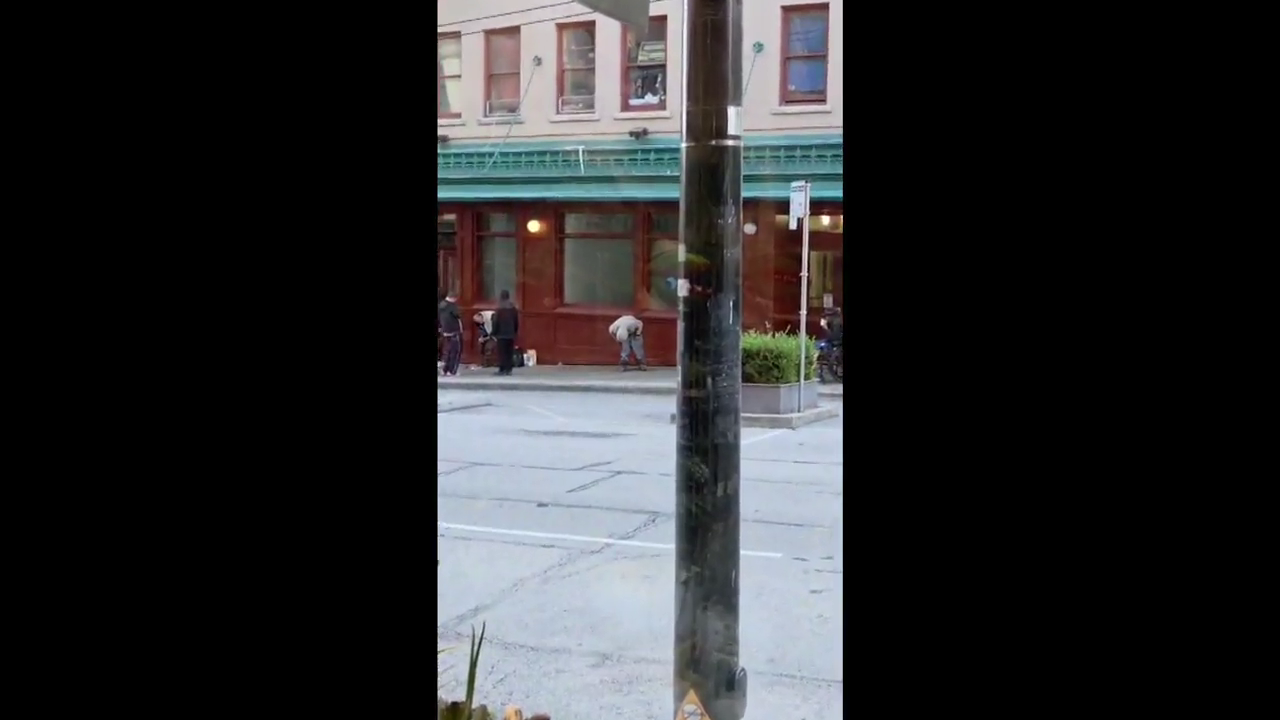
Walk down Granville Street on a Tuesday morning and the transformation is absolute. Storefronts shuttered behind heavy iron security grates. Sidewalks littered with discarded paraphernalia. The air carries the sharp, chemical tang of illicit narcotics smoked openly in broad daylight. For the business owners who poured their life savings, decades of sweat, and millions of dollars in commercial leases into the heart of British Columbia’s economic engine, the daily routine has devolved into a grueling endurance test.
They are exhausted. They are angry. And above all, they are being ignored.
The Anatomy of a Commercial Collapse
For decades, the epicenter of Vancouver’s public drug crisis remained largely quarantined within the Downtown Eastside, specifically along Hastings Street. That containment wall has shattered. The spillover into the central business district, Yaletown, the Granville entertainment strip, and the peripheries of major retail hubs is no longer a seasonal anomaly. It is the permanent baseline.
Commercial landlords watch helplessly as prospective tenants tour empty retail spaces, take one look at the doorway activity, and walk away. Insurance premiums for downtown storefronts have spiked by double digits year-over-year. Retailers are forced to hire private security guards just to keep doorways clear enough for paying customers to enter.
Glass replacement companies are on speed dial. A boutique clothing store owner on Robson Street spends the first hour of every business day washing human waste, discarded needles, and bodily fluids off the entrance alcove. This is not commerce. This is urban decay eating away at the margins of a once-vibrant metropolis.
The financial bleed is quantifiable. Retail foot traffic in core commercial zones has failed to recover to pre-pandemic baselines, battered not just by remote work shifts, but by a pervasive sense of physical insecurity. Shoppers vote with their feet. When navigating a city block requires dodging erratic behavior, open drug consumption, and verbal harassment, consumers simply take their wallets to suburban shopping centres or migrate entirely to online retail platforms.
Independent operators bear the brunt. Unlike multinational corporate chains that can absorb quarterly losses or relocate flagship branches, the local baker, the independent bookstore owner, and the family-run cafe operate on razor-thin margins. Each broken window, each lost customer, and each stolen delivery pushes them closer to insolvency.
Policy in a Vacuum and the Decriminalization Experiment
To understand how Vancouver arrived at this precipice, one must examine the cascading policy decisions made at the municipal, provincial, and federal levels over the past several years. Well-intentioned decriminalization pilot projects, designed to treat substance use strictly as a public health issue rather than a criminal justice matter, were rolled out without adequate accompanying infrastructure.
Decriminalization without treatment capacity is simply abandonment.
When possession of small amounts of illicit drugs was decriminalized in British Columbia, the theory relied on a robust, accessible network of wraparound care, voluntary and involuntary treatment beds, mental health stabilization facilities, and safe consumption sites operating in tandem with proactive street policing. That theoretical infrastructure never materialized at scale. Instead, municipal bylaws restricting public drug use in parks, beaches, and near storefronts became political footballs, ping-ponging between city hall and provincial ministries while enforcement ground to a near-total halt.
Police officers describe an atmosphere of profound paralysis. Street-level disorder that once triggered intervention is now largely tolerated under the banner of harm reduction. Repeat offenders cycle through the justice system in hours, arrested for property theft or vandalism in the morning and back on the exact same downtown corner by afternoon.
The social contract has fractured. Citizens are told to accept declining public safety as the price of progressive urban policy. Meanwhile, business owners who pay crippling commercial property taxes find that municipal services—sanitation, policing, infrastructure maintenance—fail to protect their basic right to operate in a safe environment.
The Human Cost on Both Sides of the Doorstep
Any honest accounting of this crisis must reject the lazy caricature that pits cold-hearted capitalists against vulnerable addicts. The reality is far more tragic. Both groups are victims of a systemic failure that serves neither human dignity nor economic prosperity.
On one side stand individuals trapped in the grip of synthetic opioids like fentanyl and carfentanil, substances of such catastrophic potency that traditional recovery models struggle to keep pace. They are failed by a medical system chronically underfunded in mental health and addiction medicine, warehoused in substandard transitional housing, and left to consume lethal narcotics on sidewalks because safe consumption spaces are overwhelmed or geographically misaligned.
On the other side stand working-class entrepreneurs, many of them immigrants who sacrificed everything to build a business, now acting as de facto social workers, trauma responders, and security guards.
Consider the restaurant manager who administers naloxone to an unresponsive person in the alley behind the kitchen, wipes down the patio, and then attempts to seat a nervous family for dinner. This is psychological trauma normalized. Employees refuse night shifts. Retention rates in downtown retail and hospitality sectors have plummeted because workers refuse to endure daily harassment and threats of violence.
The emotional toll is invisible on balance sheets, but it is corrosive. When a city stops protecting its public spaces, it stops protecting its people—all of its people, housed and unhoused alike.
The Economics of Real Estate Flight and Tax Flight
Commercial real estate in downtown Vancouver is entering dangerous territory. Property assessments are calculated based on potential rental income, yet vacancy rates in parts of the core are climbing steadily. Landlords face a cruel paradox: lower rents to attract tenants, only to find that lower-quality tenants or prolonged vacancies accelerate building deterioration.
Major institutional landlords are beginning to divest from downtown retail assets, reallocating capital toward industrial logistics parks and suburban residential hubs where property management is straightforward and tenant retention is predictable. This capital flight has profound municipal implications.
Commercial property taxes subsidize a massive share of Vancouver’s municipal budget. As downtown commercial values stagnate or decline, the tax burden inevitably shifts toward residential homeowners, creating a political backlash that pits residents against commercial districts.
City council attempts to launch downtown revitalization task forces, commission endless studies, and issue polite press releases about vibrancy initiatives. None of these measures replace the fundamentals of a healthy urban core: cleanliness, safety, predictability, and the rule of law.
When a business owner cannot guarantee the safety of an employee walking to the Skytrain station at dusk, no amount of decorative street banners or summer jazz festivals will save the block.
Beyond the Rhetoric
Fixing downtown Vancouver requires abandoning ideological dogma in favor of operational reality.
First, public drug consumption must be prohibited in high-traffic commercial zones, transit hubs, and immediate proximity to storefronts. Compassion for those suffering from addiction cannot mean the wholesale surrender of shared public spaces to chaos. Laws must be enforced fairly and consistently.
Second, the revolving door of the criminal justice system needs immediate structural reform. Property crime, harassment, and open vandalism cannot be treated as victimless infractions. Chronic repeat offenders require mandatory diversion programs, court-mandated treatment options, or secure care facilities where they can stabilize away from the toxic drug supply that fuels brain damage and erratic public violence.
Third, municipal and provincial governments must drop jurisdictional buck-passing. Health care is provincial; policing and zoning are municipal; housing touches federal budgets. Until these silos are smashed and a unified command structure takes charge of downtown recovery, mayors and premiers will continue to point fingers while streets deteriorate further.
The window for gradual course correction is closing. Vancouver’s downtown is not an abstract laboratory for sociological experimentation. It is a living, breathing ecosystem where thousands of people work, invest, and try to make a life. If the core fails, the economic shockwaves will resonate across the entire province.
The status quo is a slow-motion collapse disguised as progress. It is time to stop managing the decay and start reclaiming the city.