The plastic chairs at the open-air coffee shop in Johor Bahru are damp with morning humidity. Across the table, a retired civil servant named Uncle Tan stirs a glass of iced coffee, condensed milk swirling into darkness. He looks across the Johor Strait toward the glittering skyline of Singapore. It is close enough to touch, yet miles away from the quiet anxiety gripping his own neighborhood.
On June 1, 2026, the local news confirmed what Uncle Tan had felt in his bones for weeks. The Johor state assembly was abruptly dissolved. The state’s Chief Minister, Onn Hafiz Ghazi, walked out of a meeting with the Regent of Johor and announced that the southern state would head to snap polls within 60 days.
To a casual observer, it is just another local election in a Southeast Asian province. But on the ground, everyone knows the truth. This is the match that could detonate the fragile peace holding Malaysia together.
The Friction in the Capital
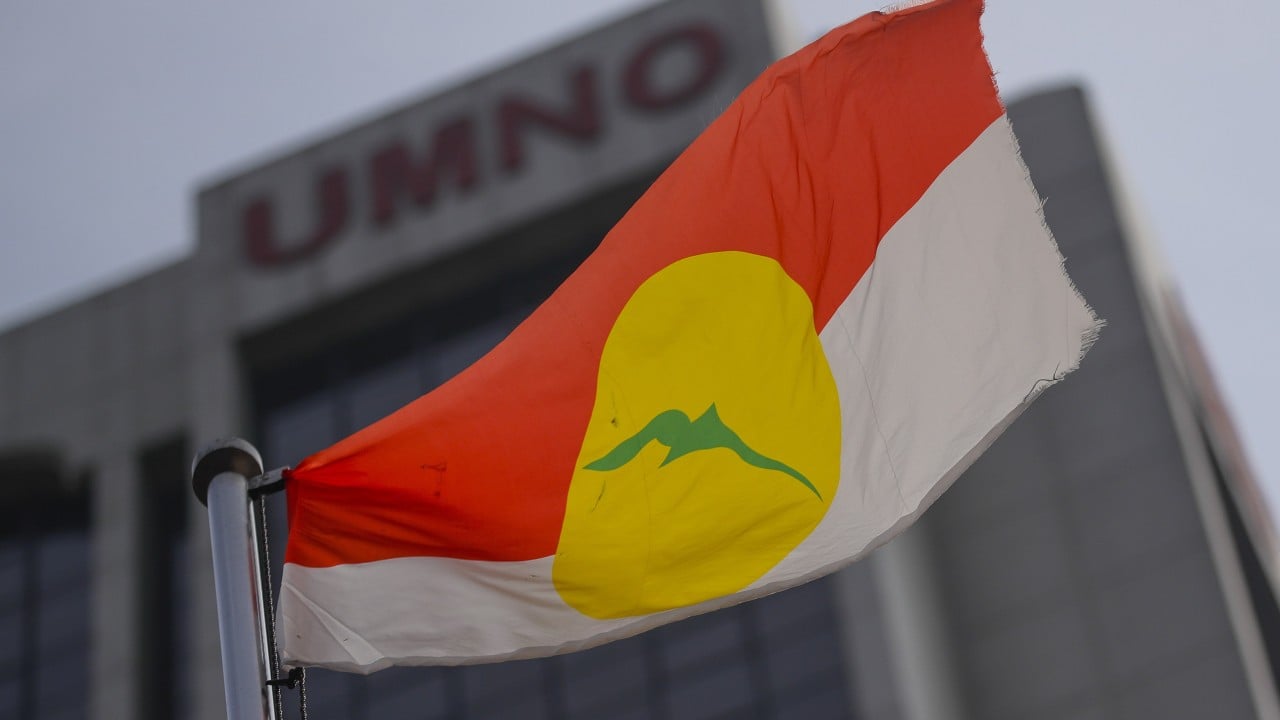
For nearly four years, Malaysia has been ruled by a political marriage of absolute convenience. At the top sits Prime Minister Anwar Ibrahim, leading a "unity government" born out of a deadlocked parliament in late 2022. To secure power, Anwar had to shake hands with his bitterest lifelong rivals: Barisan Nasional, the coalition anchored by the United Malays National Organisation, better known as UMNO.
It was a truce forged in desperation to keep right-wing religious hardliners out of federal power. For a while, the arrangement worked. The relentless revolving door of prime ministers that plagued the country since 2020 finally stopped spinning.
But a truce is not a peace treaty. It is a temporary pause in hostilities.
In the high-ceilinged offices of Kuala Lumpur, the cracks have widened into chasms. UMNO has grown restless. Once the undisputed titan of Malaysian politics, governing unbroken for more than sixty years after independence, the party was brought low by corruption scandals, most notably the multi-billion-dollar 1MDB disaster that landed its former chief, Najib Razak, in a prison cell.
UMNO did not join Anwar’s alliance out of love; it joined to survive. Now, inside the party’s grassroots, a dangerous calculation is being made. They believe they have rebuilt enough strength to stand on their own two feet again. They want their empire back.
The Testing Ground
Johor is the perfect place for UMNO to test that theory. This state is the party's birthplace, its ancestral home, its emotional heartland. In the last state election in 2022, UMNO and its partners crushed the opposition, capturing a commanding two-thirds supermajority with 40 out of 56 seats.
When Chief Minister Onn Hafiz Ghazi dissolved the assembly on June 1, he framed it as a quest for stability. He spoke of giving the people a fresh mandate. But politics is rarely about what is said; it is about what is left unspoken.
By pulling the trigger on an early election, Johor’s UMNO leadership is effectively cutting ties with Anwar’s Pakatan Harapan coalition at the state level. They have announced they are contesting all 56 seats alone. They are not treating Anwar’s party as a partner. They are treating them as the enemy.
Consider the sheer exhaustion of the ordinary voter. In the neighborhood of Larkin, a young shopkeeper named Farah counts out change for a customer. She represents the massive influx of young voters aged 18 to 25 who were automatically registered under recent electoral reforms.
Farah confesses that she finds the entire theater dizzying and deeply alienating. One day, the politicians are smiling together on television in Kuala Lumpur, passing federal budgets and talking about national unity. The next day, those exact same politicians are standing on wooden stages in Johor, shouting through megaphones, telling voters that their federal partners cannot be trusted with the future of the state.
This is not a theoretical debate about governance. It impacts the daily reality of those living here. A volatile political climate scares off foreign investment, stalls infrastructure projects, and leaves small business owners wondering if the economic policies of today will survive the election of tomorrow.
The High-Stakes Gamble
The friction is not confined to rhetoric. In April, the alliance suffered a severe blow in the neighboring state of Negeri Sembilan, where 14 UMNO assemblymen suddenly withdrew their support for the pro-Anwar Chief Minister. In Johor itself, the two sides have spent weeks trading bitter barbs over redrawing voting boundaries and a controversial bill to appoint non-elected officials to the state assembly.
Anwar Ibrahim is not a man to take a threat lying down. He has spent decades surviving political betrayal, imprisonment, and shifting alliances. His response to UMNO's solo run in Johor was swift and razor-sharp. If UMNO refuses to collaborate in the south, Anwar warned, his coalition will contest every single seat against them—not just in Johor, but across the key states of Negeri Sembilan, Selangor, Penang, and Pahang.
Then came the ultimate threat: Anwar hinted he might dissolve parliament entirely, forcing a snap national general election nearly two years ahead of the February 2028 deadline.
It is a game of high-stakes political chicken. If UMNO wins big in Johor, proving they can dominate without Anwar’s help, the federal government could collapse by sunset. If they fail, and the opposition splits the vote allowing the conservative Perikatan Nasional bloc to sweep through the middle, the entire country could tilt on its axis.
The Heart of the Matter
The real tragedy of this political maneuvering is how detached it feels from the immediate worries of the people living along the southern coast.
Walk along the waterfront in Johor Bahru as dusk falls. You will see thousands of motorcycles streaming across the Causeway, carrying exhausted workers home from their jobs in Singapore. They endure hours of border traffic every day, chasing a stronger currency because the cost of living at home continues to squeeze their margins tight.
They are worried about the price of groceries, the rising cost of fuel as the government tinkers with subsidies, and whether their children can find high-paying jobs without leaving the country.
To them, the dissolution of the assembly feels less like a grand exercise in democracy and more like an unwanted distraction. It is an expensive, stressful chess game played by elites who do not have to worry about the price of a bag of rice.
The upcoming election, which must take place before the end of July, will offer no simple answers. It will only offer a verdict on who holds the power to ask the next question.
Uncle Tan finishes his coffee, leaving a dark ring on the laminate table. He watches a campaign truck drive past the cafe, its loudspeakers testing out a martial, upbeat anthem that will soon echo through the streets for weeks on end. He sighs, a quiet, weary sound that carries the weight of a nation that has spent far too many years watching its leaders fight over the steering wheel instead of looking at the road ahead.
The campaign flags are already being unfurled across the highways of Johor, bright plastics snapping in the hot wind, preparing for a battle where the true casualties are likely to be the very people holding the ballots.