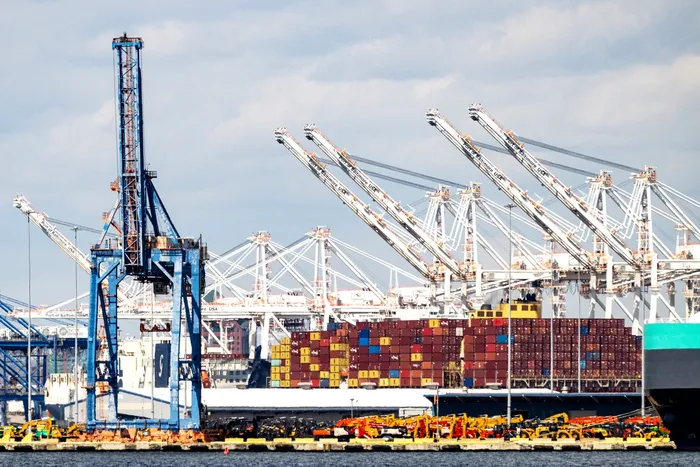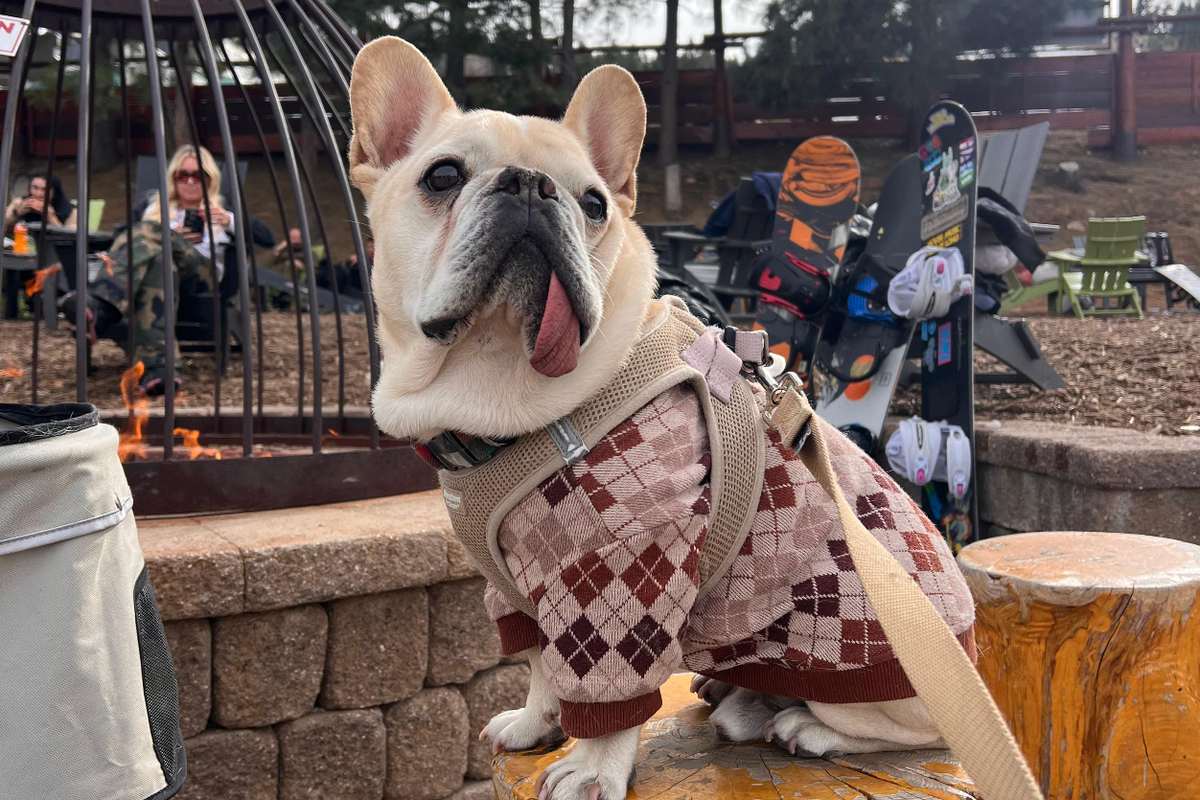
The American dream of pet ownership is hitting a wall of cold, hard math. In San Diego, a simple dental cleaning for a dog can easily run $1,200, while a surgery for a torn ligament often spirals past $6,000. For an increasing number of Americans, these figures aren't just high—they are a death sentence for their animals. This financial pressure has turned the border into a pressure valve. Thousands of pet owners now regularly cross into Tijuana, Mexico, to access a veterinary market that operates at a fraction of the price found in the United States.
This isn't just about cheap medicine. It is a full-scale migration driven by the rapid corporatization of American animal hospitals and a domestic pricing model that has decoupled from the average person's reality.
The Corporate Grip on the American Exam Room
The vet office on the corner isn't what it used to be. Over the last decade, private equity firms and massive conglomerates have been quietly buying up independent veterinary practices across the United States. When a small clinic is absorbed into a corporate network, the focus shifts. Efficiency and profit margins take priority over the long-term relationships that once defined the industry.
Corporate owners often implement standardized pricing tiers and aggressive upselling requirements for staff. A vet who used to suggest "watching and waiting" on a minor cyst is now pressured to recommend immediate diagnostics and surgical intervention. These overhead costs are passed directly to the consumer. In the U.S., you aren't just paying for the doctor’s expertise; you are paying for the massive administrative debt and shareholder expectations of a multi-billion dollar entity.
The Tijuana Alternative
Crossing the border into Baja California reveals a different economic landscape. In Tijuana, clinics like Vet Playas or the various specialized offices in the Zona Río district offer the same diagnostic equipment—digital X-rays, ultrasound, and high-end surgical suites—at roughly 20% to 50% of the cost in California.
A common misconception is that Mexican veterinary care is a "budget" or "back-alley" operation. That is rarely the case for the clinics catering to the cross-border crowd. Many of these veterinarians were educated at top-tier Mexican universities and frequently attend international conferences. They use the same medications, often manufactured by the same global pharmaceutical companies like Zoetis or Merck.
The difference lies in the fundamental cost of doing business. Rent is lower. Labor costs for technicians and front-desk staff are lower. Most importantly, the crushing weight of American malpractice insurance and the bureaucratic bloat of the U.S. healthcare system are absent. In Mexico, a veterinarian can still be a neighborhood doctor rather than a revenue generator for a distant board of directors.
The Hidden Risks of the Crossing
Driving across an international border with a sick animal is not a simple weekend errand. There are logistics that can break a person’s spirit. The wait times at the San Ysidro or Otay Mesa ports of entry can stretch into four or five hours. For a pet recovering from anesthesia or one in chronic pain, sitting in a hot car for half a day is a genuine health risk.
Then there is the issue of continuity of care. If a dog has a complication three days after a surgery performed in Tijuana, a local U.S. vet may be hesitant to step in. Some American clinics refuse to touch a patient that has had "international work" due to liability concerns. This leaves the owner in a dangerous lurch. They must decide whether to rush back across the border or pay an emergency premium at a domestic hospital that might redo all the work from scratch.
Pharmaceutical Arbitrage
Medication is perhaps the most glaring example of the price divide. A month's supply of a common heartworm preventative or a specialized skin allergy medication can be $80 in a San Diego suburb. That same box, produced by the same company, might sit on a shelf in a Tijuana pharmacy for $25.
U.S. customs regulations generally allow for the importation of a 90-day supply of medication for personal use, provided you have a prescription. For owners of senior dogs on lifelong medication regimes, these savings alone pay for the gas and the time spent in the border queue. It is a survival strategy for the middle class.
Why U.S. Prices Won't Come Down
The shortage of veterinary professionals in the United States is a primary driver of the current crisis. Becoming a vet in America is a financial nightmare. The average graduate leaves vet school with nearly $200,000 in debt, yet their starting salaries often pale in comparison to their counterparts in human medicine.
To pay off these loans, new vets must work in high-revenue corporate environments. They cannot afford to open a low-cost community clinic even if they wanted to. This creates a cycle where only the wealthy can afford "standard of care" treatment, while everyone else is forced to choose between "economic euthanasia" or a long drive south.
Navigating the Legal and Ethical Gray Zones
There is a cultural tension at play here. Some American veterinary associations warn against "medical tourism," citing concerns about different regulatory standards. While it is true that Mexican clinics operate under different oversight, the anecdotal evidence from thousands of satisfied pet owners suggests the quality is often indistinguishable.
The ethical burden has shifted from the doctor to the owner. In the U.S. system, an owner is often made to feel like a failure if they cannot afford a $10,000 specialized oncology treatment. By removing the animal from that high-pressure environment and taking them to a place where the same care is accessible, the owner regains a sense of agency. They are no longer a victim of a broken market; they are a consumer in a global one.
The Future of the Veterinary Border
As long as the American veterinary industry continues its trend toward consolidation and premium pricing, the trail to Tijuana will only get wider. We are seeing the emergence of specialized shuttle services and "pet concierges" who help owners navigate the border crossing and translate medical records.
This isn't a trend; it's a structural realignment. The border is no longer just a line between two countries; it is the line between being able to keep your best friend alive and saying goodbye because of a credit card limit.
If you are planning to make the trip, don't just wing it. Research specific clinics in the Playas de Tijuana area, ensure your pet's vaccinations are documented for the return trip, and always have a digital copy of your pet’s full medical history on your phone. Most Mexican vets are highly communicative via WhatsApp, which has become the unofficial platform for cross-border medical coordination.
The reality of the situation is blunt. If the U.S. veterinary industry doesn't find a way to address its internal cost crisis, it will continue to lose its most loyal customers to the doctors waiting just across the fence.