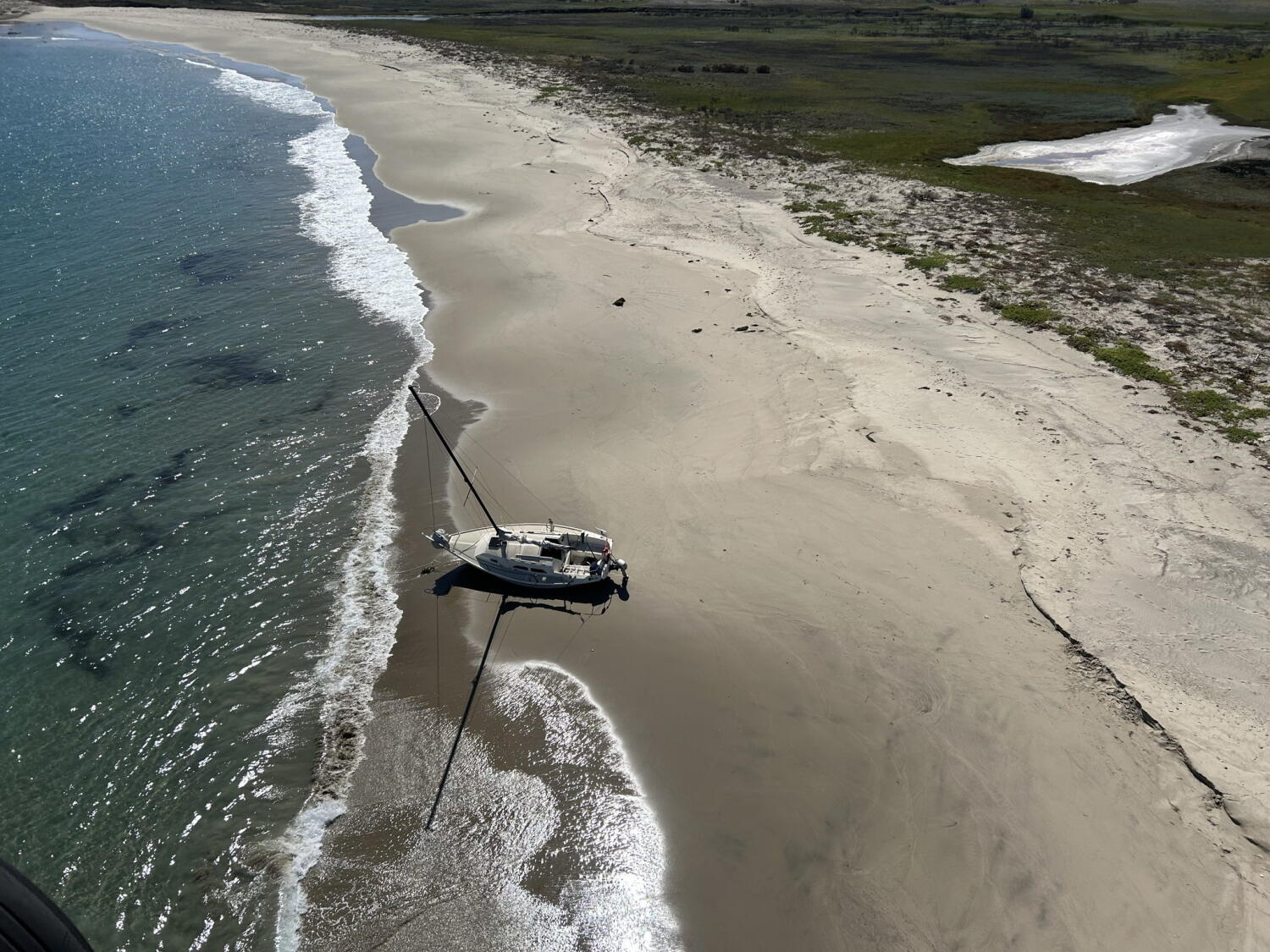
Running aground on a barrier island doesn't feel like a dramatic movie scene at first. It feels like a dull thud, a sudden shift in engine pitch, and then the sickening realization that your hull is sitting in sand where water was supposed to be.
When the Coast Guard rescues a sailor after a boat runs aground on Santa Rosa Island, headlines tend to focus on the rescue itself. Helicopter hoist or boat tow, flashing lights, safe return to shore. That part makes for a clean story. What gets skipped over is how fast a routine day on the water turns sideways around shallow barrier bars, shifting shoals, and tricky Gulf or sound currents.
I've spent plenty of time around coastal waterways and talking with mariners who know how deceptive sandy shorelines can be. Charts help. GPS helps. Neither one is a magic shield when wind, tide, and overconfidence line up at the exact wrong moment.
Why Santa Rosa Island Trips Up Experienced Boaters
Santa Rosa Island is a classic narrow barrier island along the Florida panhandle, separating Gulf waters from Santa Rosa Sound and Pensacola Bay. Because it's exposed to wind, waves, and longshore sediment movement, sandbars don't stay politely where an old paper chart or a casual glance might suggest.
Plenty of boaters get caught because they treat familiar water like a paved highway. It isn't. A channel marker might sit a few yards from shallow water that builds up after a storm or a strong seasonal wind shift. Even locals who run these waters every weekend sometimes clip a bar when they cut a corner to save ten minutes.
Here's the trap. A boat moving at cruising speed doesn't gently park itself on a sandbar. Momentum pushes the hull forward into rising sand, sometimes broaching the boat sideways to waves or current before the throttle even comes back. Once a vessel turns broadside to surf or chop, water can slap the hull repeatedly and turn a minor grounding into a serious flooding or capsizing hazard.
- Shifting shoals: Sand moves constantly with tides, currents, and storms, making static assumptions risky.
- Glare and wind chop: Bright sun on water hides color changes that normally hint at shallow sand.
- Channel discipline: Cutting across flats or drifting outside marked lines invites sudden depth drops.
- Weather changes: A calm morning breeze can build into lumpy chop that makes a stuck hull work much harder.
How Coast Guard Rescues Actually Work After a Grounding
People sometimes assume calling the U.S. Coast Guard automatically means a free tow back into deep water. Honestly, that's a common misunderstanding.
The Coast Guard's primary mission is saving lives and protecting safety, not providing routine commercial salvage or towing when people aren't in immediate danger. If a sailor is injured, taking on water, stranded in rough surf, or facing a life-threatening situation, Coast Guard crews respond immediately with boats, rescue swimmers, or aircraft depending on conditions and sector assets. When a vessel is simply stuck in calm water and the person aboard is safe and uninjured, commercial marine assistance or a tow operator often handles the pull-off once the situation is assessed.
Still, when a grounding happens near surf, shifting currents, or exposed shoals, the line between "minor inconvenience" and "emergency" can blur fast. A boat taking on water through a damaged fitting or hull seam changes the math in seconds. Nightfall, cold exposure, exhaustion, or rough sea states raise the stakes too.
According to the U.S. Coast Guard Navigation Center and BoatUS Foundation, grounding remains a recurring hazard across recreational boating, especially in coastal and inland waterways with variable depths. You can review official boating safety guidance and data through the U.S. Coast Guard Boating Safety portal to see how agencies track incidents and recommend preparation.
The Gear and Habits That Separate a Bad Day From a Tragedy
You don't need a massive yacht to run into trouble on a shallow bar. A 19-foot center console or a small sailboat can pin itself hard on sand just as easily. What matters most after that first bump is what you have within arm's reach and how calmly you run through your checklist.
First, put your VHF marine radio and personal flotation devices at the top of the list. Cell service can be patchy near barrier islands, salt spray ruins phones fast, and a radio lets you hail nearby vessels or monitor marine channels clearly. Wearing a life jacket isn't just for rough weather. If a sudden grounding throws you off balance or knocks you into choppy water near a shifting hull, having it on already is a huge advantage.
Second, know your boat's draft and watch your depth sounder like a hawk. That sounds basic, almost too obvious. Yet plenty of boaters glance at a chartplotter screen for big landmarks while ignoring rapid depth drops right under the keel. If numbers start ticking down faster than expected, pull back the throttle smoothly rather than gunning it and digging the stern deeper into the sand.
Third, think about anchoring and bilge readiness. Dropping an anchor cleanly can sometimes keep a boat from swinging broadside into shallow surf while you assess what's happening. Checking bilge pumps before leaving the dock matters just as much, because a grounding strain can loosen a hose or crack a fitting even if the hull doesn't split wide open.
What Most People Miss About Salvage and Hull Damage
A lot of boaters think, "It's just sand, no big deal." Sometimes that's true. A gentle bump on soft sand at idle speed might leave nothing worse than scratched gelcoat and bruised pride.
Other times, sand gets sucked into cooling intakes, clogging raw-water strainers and overheating the engine right when you need power most. Running the engine while buried in sand can also blast abrasive sediment through the water pump or lower unit. And if waves keep lifting and dropping the boat on a hard spot or bar, stress builds along the keel, rudder, or transom.
Another detail folks overlook is tide direction. If you ground near high tide, the water is going to fall away from you over the next several hours. A boat that looks barely stuck at high water can end up sitting high and dry—or leaning sharply at an awkward angle—when the tide drops out. Waiting hours for the next tide cycle while exposed to sun, heat, or changing weather wears people down quick.
Practical Next Steps Before Your Next Coastal Trip
If you run a boat around barrier islands like Santa Rosa Island or any shallow coastal stretch, a few small habits before you leave the ramp will save you massive stress later:
- Verify current charts and local notices: Check updated nautical charts and local marine advisories rather than relying purely on memory or old waypoints.
- Test your VHF and safety gear early: Confirm your VHF radio works on channel 16, keep life jackets accessible, and carry a visual distress signal and plenty of drinking water.
- File a float plan: Tell someone reliable where you're launching, where you plan to go, and when you expect to check in so overdue alerts happen quickly if needed.
- Watch depth and wind together: Monitor your depth sounder continuously in unfamiliar or shallow water, and pay close attention to wind against current around passes, bars, and island shorelines.
- Know who to call for what: Keep Coast Guard emergency procedures clear in your head for life-safety emergencies, and know local commercial towing options for non-emergency pull-offs when conditions are safe.
Respecting shallow water isn't about being timid on the water. It's about reading the environment honestly so a simple sandbar doesn't turn into a Coast Guard call.