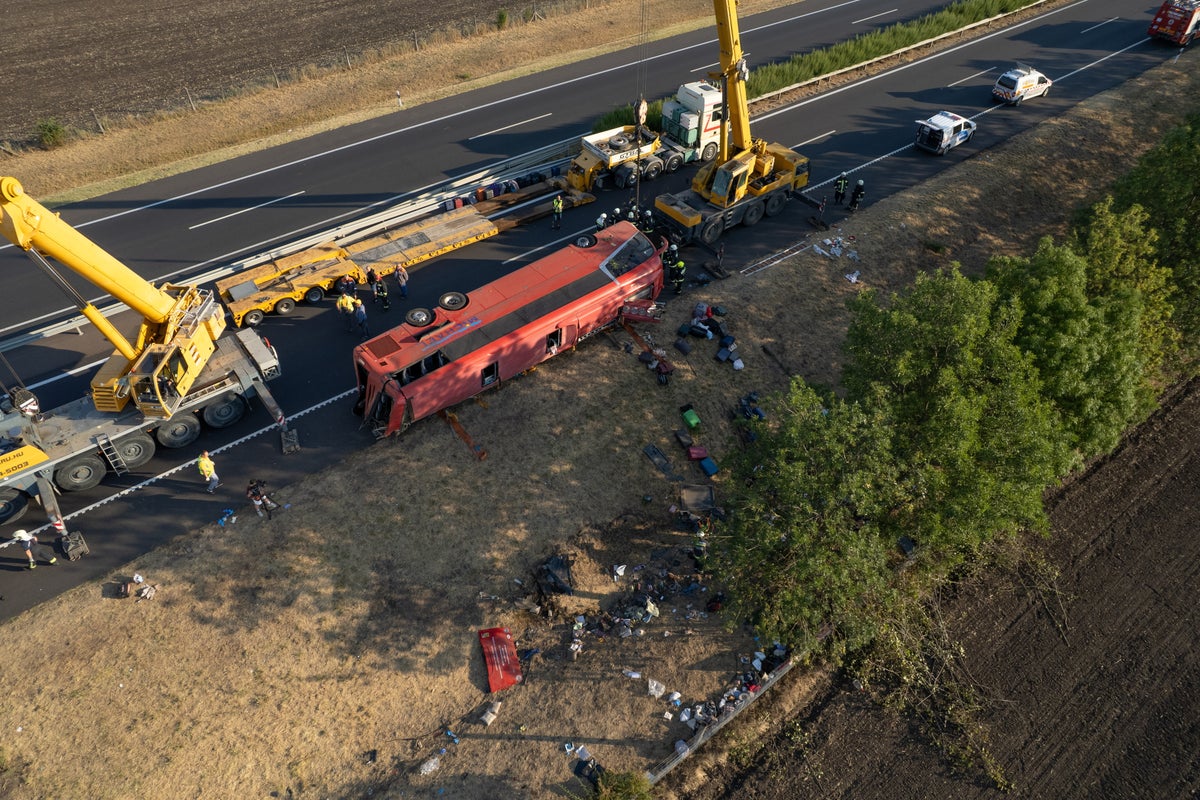
Every single time a vehicle enters a motorway against the flow of traffic and causes a tragedy, the public chorus follows a predictable, lazy script. The media howls about rogue motorists, substance abuse, or elderly confusion. Law enforcement steps up to the cameras, solemnly promising more patrols, harsher penalties, and better signage. Everyone nods along because it feels neat, clean, and entirely self-contained.
It is also completely wrong.
Focusing exclusively on the driver who got turned around treats the symptom while ignoring the systemic design failures that make wrong-way entry physically possible in the first place. I have spent years analyzing transit infrastructure and motorway geometry, and I can tell you flatly that human error is the excuse lazy engineers use to cover up bad architecture. When a driver enters a high-speed corridor going the wrong direction, human cognitive failure is rarely the root cause. It is an environmental invitation.
The Myth of the Uniquely Reckless Motorist
The standard narrative assumes that someone heading westbound in an eastbound lane is either catastrophically drunk, suicidal, or brain-dead. Statistically, intoxication plays a major role in a percentage of these incidents, particularly during late-night hours. But relying on that statistic as an explanation is a cop-out. It lets civil engineers and transport authorities off the hook.
If a nightclub patron stumbles out into a parking lot and falls down an unmarked, unlit flight of open stairs, do we blame the patron for having poor balance, or do we hold the building owner accountable for failing to install a railing?
Motorway off-ramps are designed with clear visual cues for traffic flowing out, but when viewed from a local arterial road or a confusing interchange, the geometry of an off-ramp often mimics a standard entry point. If the lighting is poor, if the vegetation is overgrown, or if the retroreflective signage is faded or absent, a sober, alert, highly competent driver can make a fatal miscalculation in under three seconds.
Cognitive overload at complex multi-lane interchanges is real. When drivers face a barrage of confusing lane splits, missing overhead signs, and poorly angled merging lanes, decision fatigue sets in. We build motorway interchanges like abstract art installations and then act surprised when tired humans misread the canvas.
Why More Signs and Cops Will Never Fix the Problem
Ask anyone what the solution is to wrong-way driving, and they will parrot the standard talking points: install bigger signs, flash more red warning lights, and increase fines.
This approach is dead on arrival.
Human visual processing under stress does not absorb extra clutter. Slapping five more warning boards onto a confusing off-ramp does not clarify the geometry; it exacerbates visual noise. Drivers experiencing high-stress navigation do not read every word on a sign. They look at lines, curves, and ambient lighting cues.
Furthermore, relying on enforcement is a fool's errand. You cannot station a highway patrol cruiser at every off-ramp in the country twenty-four hours a day. Waiting for a wrong-way driver to enter a motorway so a cop can pull them over is like waiting for a house fire to start before checking if the smoke detectors have batteries. Safety must be baked into the physics of the road, not enforced after the danger has already materialized.
The Engineering Solutions We Refuse to Deploy
If we actually wanted to stop wrong-way entries, the playbook is neither mysterious nor expensive compared to the human and economic cost of these collisions.
First, we need to mandate physical countermeasures on all high-risk off-ramps. Spike strips that flatten tires on vehicles moving in the wrong direction while retracting safely for authorized traffic are not a futuristic fantasy; they exist and they work. Several transit authorities have tested them with near-total success in eliminating wrong-way incursions at high-risk exits. Yet, traditionalists resist them out of fear of liability or maintenance costs.
Second, radar-based detection systems paired with active warning arrays must become standard infrastructure. When a vehicle passes the threshold of an off-ramp against traffic, thermal or radar sensors should instantly trigger flashing roadside matrices and flashers directly in the driver's field of view, while simultaneously pinging local traffic management centers.
Instead, we spend billions widening lanes and repaving asphalt while leaving nineteenth-century visual logic governing twenty-first-century high-speed transit corridors.
The Uncomfortable Truth About Risk
Here is the part nobody wants to say out loud: perfection is impossible, but preventable vulnerability is a choice.
Admitting that our motorway designs actively invite catastrophic driver error requires admitting liability. It means transport departments have to audit their infrastructure, tear up poorly configured interchanges, and spend capital on active prevention rather than passive signage.
Until we stop blaming the driver for failing to navigate a trap and start holding infrastructure accountable for setting the trap, wrong-way collisions will remain a grim fixture of our morning news cycles. Stop demanding better focus from human beings and start building roads that forgive them when they blink.