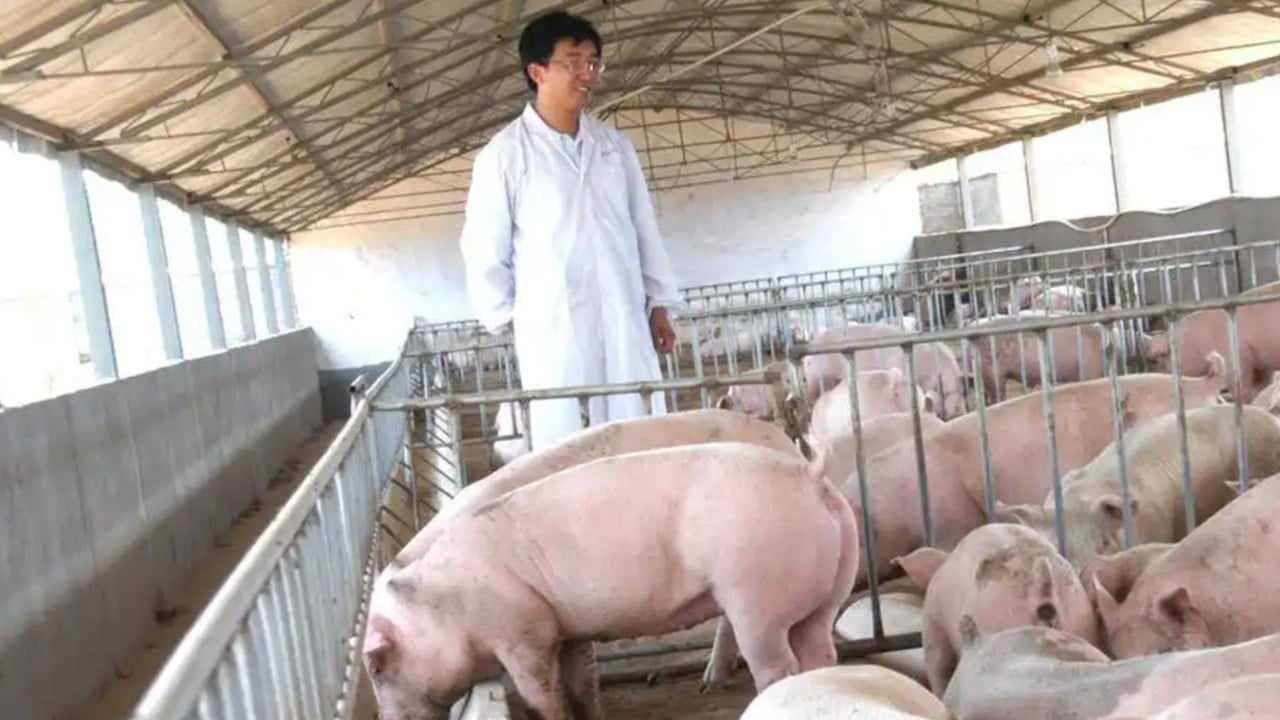
Everybody loves a clean tragedy.
Give the public a foreign couple, a staggering 15 million dollar loss, a pristine agricultural layout, and a heavy-handed government apparatus stepping on the neck of private enterprise, and you have yourself an instant viral outrage machine. Headlines scream about broken justice systems, bureaucratic overreach, and the terrifying vulnerability of foreign capital.
It is a lazy narrative. It is comfortable. And it is completely wrong.
I have spent years watching capital bleed out in emerging agricultural markets, and I can tell you right now that pinning this entire disaster on a false fraud arrest is missing the forest for the chopped-down trees. The arrest was not the disease. It was a symptom. The real failure happened years before a single law enforcement officer cuffed anybody, and it stems from a catastrophic misunderstanding of how cross-border asset security actually operates outside domestic comfort zones.
Let us strip away the melodrama and look at the brutal mechanics of what actually went wrong.
The Myth Of The Paper Shield
The lazy consensus floating around corporate boardrooms and expat forums is that legal paperwork protects physical assets. If you have the deeds, the permits, and the ministerial sign-offs, you are safe.
Nonsense.
In high-stakes, capital-intensive infrastructure projects like modern swine production facilities, a piece of paper is only as good as the local political equilibrium holding it up. When a multi-million-dollar operation dwarfs the surrounding regional economy, you are no longer just running a business. You are running a parallel sovereign state, whether you intend to or not.
I have seen companies blow millions on pristine legal frameworks while completely ignoring the human ecosystem on the ground. They build a fortress of concrete, automated feeding lines, and biosecurity protocols, thinking compliance is a substitute for leverage. It never is.
When local authorities decided to target that 15 million dollar facility with bogus fraud allegations, they did not do it in a vacuum. They did it because the owners allowed themselves to become an isolated, high-value target with zero localized institutional backing.
The Anatomy Of Agricultural Vulnerability
Pigs are not software. You cannot scale them to the cloud when a local magistrate turns hostile.
Agriculture is inherently local, hyper-vulnerable, and deeply political. When you inject tens of millions of foreign dollars into a rural sector, you disrupt centuries-old local power dynamics. Smallholders get squeezed. Regional supply chains shift. Local elites who expected a cut find themselves locked out of the cash flow.
What the mainstream coverage refuses to address is the total absence of operational redundancy.
Imagine a scenario where the owners had distributed their supply chain, localized their ownership structures through entrenched domestic partnerships, and maintained active, high-level political insurance rather than relying on embassy protest letters after the handcuffs went on.
They did not do that. They acted like Western efficiency could override Eastern political reality. It never does.
Dismantling The Justice Debate
People love to ask: How can foreign investors ever trust a system that permits false arrests?
That is the wrong question.
The right question is: Why did you structure an exposure so massive that a single corrupt prosecutor could hold your entire balance sheet hostage?
Fixating on the injustice of the arrest is a coping mechanism for bad risk management. Legal systems in developing or transitional economies do not operate like appellate courts in Delaware or London. Pretending they do is negligence. If your business model collapses the second a local official decides to invent a charge, your business model was fundamentally flawed from inception.
True asset protection is not about seeking retrospective justice after the raid. It is about constructing a corporate posture that makes state-sponsored asset seizure economically irrational for the state itself.
The Uncomfortable Truth About Foreign Capital
Foreign direct investment in heavy industry is not philanthropy, and it is not a picnic. It is an apex predator game played in foreign waters.
When you drop 15 million dollars into a pig farm overseas, you are stepping into a arena where food security equals national security. You are playing in a domain where pork prices dictate political stability for the ruling party. If an outbreak happens, if a local competitor gets jealous, or if municipal budgets run dry, your balance sheet becomes the local government's personal ATM.
The owners of that facility miscalculated their political beta. They assumed that scale equals immunity. In reality, in closed or semi-closed economic systems, scale often equals a giant neon sign pointing straight to your bank account.
Stop Trying To Play By Rules That Do Not Exist
If you want to survive outside your home market, throw away the playbook written by consultants who have never managed payroll in a jurisdiction where the rule of law is flexible.
Stop relying on diplomatic immunity delusions. Stop assuming that international treaties will rescue your concrete and livestock when things go sideways.
You need structural entanglement. You need local partners who bleed when you bleed. You need operational agility that allows you to walk away from physical iron without losing your shirt, or you need absolute political integration that makes your survival a prerequisite for the local regime's survival.
The couple who lost their farm did not just fall victim to a bad arrest. They fell victim to the oldest delusion in international business: the belief that capital speaks a universal language.
It does not. It speaks the language of whoever holds the keys to the local jail. And until you build your enterprise around that reality, you are just renting your property until the local sheriff decides to evict you.