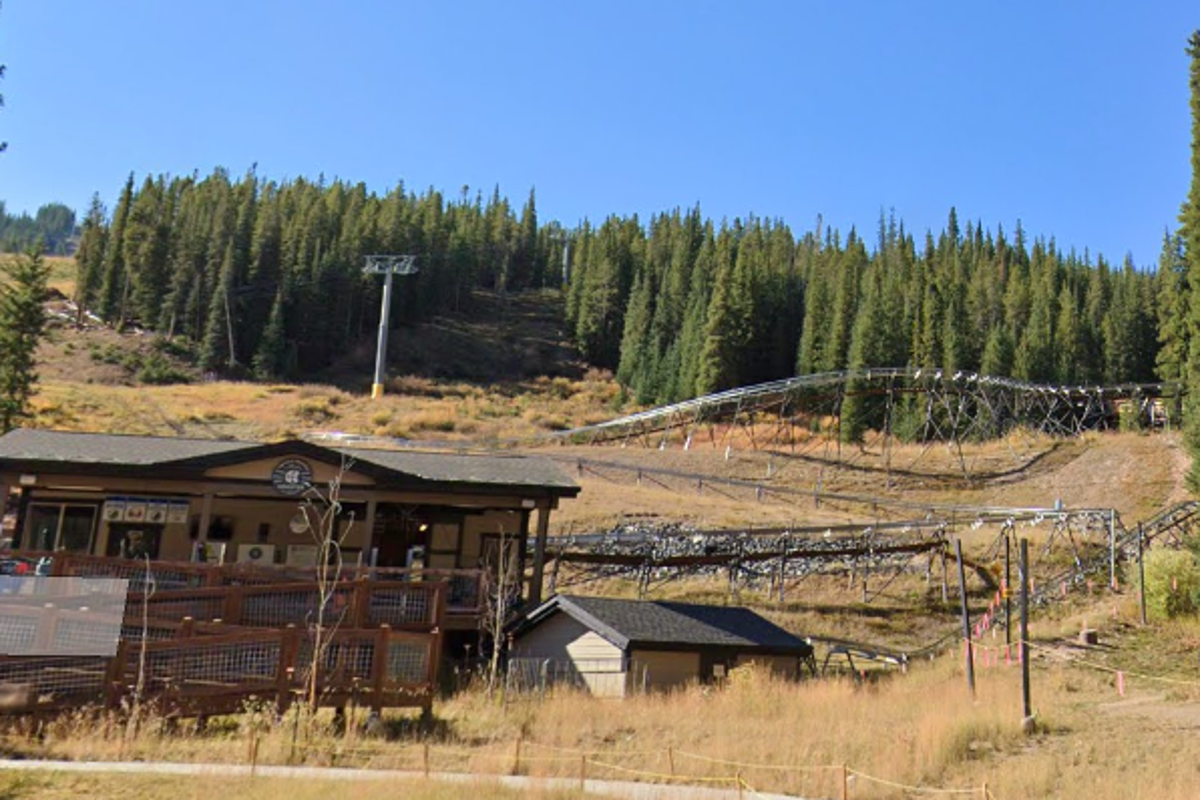
Every time someone gets launched off an alpine coaster or thrown from a mountain ride, the public executioner sharpens its blade for the wrong target. The media shrieks about safety regulations, lawyers salivate over liability waivers, and internet commentators who haven't set foot outside a climate-controlled box in five years demand that authorities wrap every gravity-fed thrill in bubble wrap.
Stop blaming the machinery. The recent Colorado investigation into a rider flying off a resort alpine coaster is the predictable outcome of a sanitized culture that treats personal risk like a software bug to be patched out. When you sanitize an adventure sport, you breed complacency. When you breed complacency, people stop paying attention to physics.
I have spent two decades consulting on high-risk recreational infrastructure, walking the tracks of gravity-fed mountain coasters from the Rockies to the Alps, and I can tell you the dirty secret of the industry: the equipment is rarely the enemy. The human operating it while treating gravity like a suggestion box is the hazard.
The Illusion of Absolute Safety
Modern amusement parks have conditioned society to expect zero agency. You sit in a molded fiberglass bucket, hydraulic restraints slam down with the force of a bank vault, and an automated computer system dictates every millimeter of your movement. You are a passive passenger.
Alpine coasters are not amusement park rides. They are hybrid gravity vehicles. You hold the brake levers. You dictate the velocity.
Yet, resorts market these things to tourists wearing flip-flops and vacation brain who treat them like flat-track bumper cars. They step out of a gift shop selling funnel cake and into a kinetic metal sled capable of hitting 25 miles per hour down a steel trough. Then, when the rider ignores every warning sign, bypasses the fundamental laws of momentum, and takes a hairpin turn at full throttle, everyone acts shocked that centripetal force still works.
Investigations always focus on whether a mechanical latch failed or a sensor glitched. They spend months testing torque specifications and bolt stress. Almost never do they lead with the uncomfortable truth: the rider panicked, locked up, or refused to brake because they expected the ride to protect them from their own terrible decision-making.
The Physics Problem Nobody Wants to Discuss
Let us look at the mechanics. An alpine coaster relies on gravity and centrifugal acceleration. When you enter a curve, your body wants to continue in a straight line. The banked track pushes back, keeping you pinned.
If you brake too late into a corner, your lateral G-forces spike. If you fail to maintain adequate spacing behind the cart ahead of you, you are forced to make split-second kinetic adjustments that require actual physical skill.
Most people lack basic spatial awareness, let alone the reflexes required to manage momentum on a descending track. When people ask whether alpine coasters are safe, they are asking the wrong question entirely. Safety is not a static property of a machine; it is a dynamic relationship between the user's competence and the environment's hostility.
A commercial airliner is safe because the pilot has thousands of hours of training. An alpine coaster is inherently dangerous because the pilot is a sunburned tourist who was given a thirty-second safety speech while staring at their smartphone.
The Regulatory Trap
The knee-jerk reaction to every mountain accident is more regulation. State inspectors descend on resorts, mandating governors on the carts, tighter speed restrictions, and extra signage.
This response backfires.
When you turn an alpine coaster into a slow-motion scenic crawl, you destroy the sensory feedback loop that keeps riders alert. A ride that restricts speed so aggressively that braking becomes optional lulls the brain into a false sense of security. Riders stop watching the track. They pull out their phones to record video. They lean out of the carts to wave at cameras.
True risk mitigation does not come from lowering the ceiling on maximum speed; it comes from raising the floor on personal accountability. We need more transparency about danger, not less. Resorts should stop pretending these attractions are family-friendly petting zoos on rails and start treating them like what they are: low-barrier extreme sports.
What Needs to Change
If resorts want to stop scraping tourists off the timberline, they need to ditch the passive safety theater and adopt an active competence model.
- Mandatory Competence Gates: Before strapping into a gravity cart, riders should pass a basic dynamic test or view mandatory simulation training that demonstrates what happens when you fail to brake before a turn.
- Honest Marketing: Frame mountain coasters as adrenaline sports, not leisure activities. Discard the imagery of smiling toddlers holding cotton candy. Show the G-forces. Show the speed. Scare away the tourists who lack the coordination to handle a fast descent.
- Strict Separation of Speeds: Implement hard speed zones with automated braking only as a catastrophic fail-safe, not as a cruising speed limiter. Let skilled riders flow, and penalize reckless tailgating instantly by revoking riding privileges.
The Colorado investigation will likely end with some minor adjustments to restraint padding or an extra warning sign printed in three languages. Nothing will fundamentally change. The lawyers will settle, the resort will update its insurance policy, and the next tourist will strap in, check their Instagram feed, and dive headfirst into a physics lesson they never prepared to take.
Gravity does not negotiate, and it does not care about your waiver.