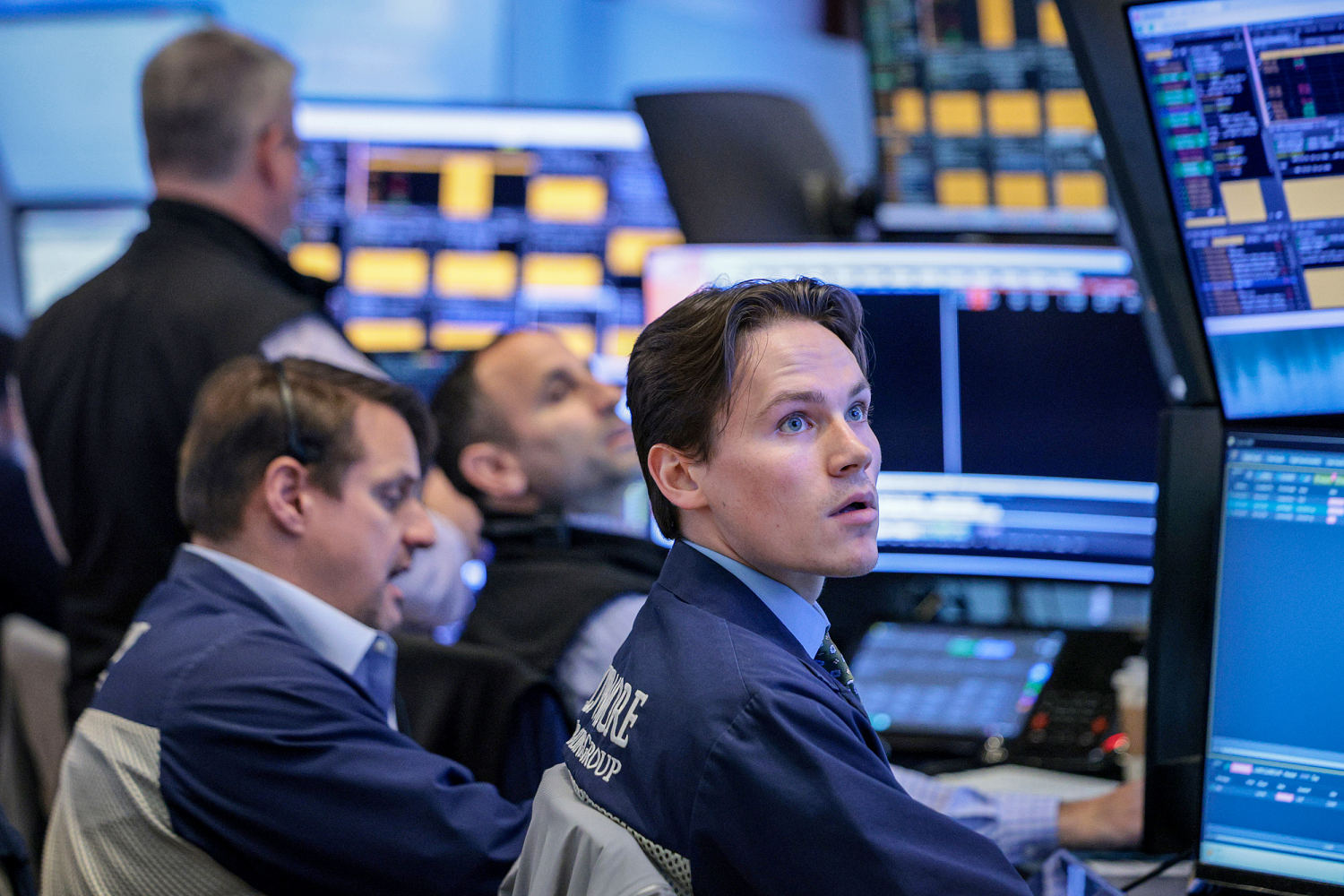
The coffee in the glass cup was already cold, but Marcus hadn't touched it in an hour. Outside his window, the morning commute crawled along a wet asphalt vein in downtown Seattle, tail lights bleeding red smears into the gray mist. On his dual monitors, green and red numbers flickered in a silent, high-speed choreography that dictated the heartbeat of his entire professional life.
Marcus is not a billionaire. He is a senior portfolio analyst who manages money for people who trust him with their quietest hopes—retirement homes for aging parents, college funds for toddlers who still bite their fingernails, safety nets for teachers and nurses. And right now, those monitors were flashing warnings he couldn't quite explain to his clients without sounding like a madman.
For eighteen months, the market had a single, all-consuming obsession. It whispered a word that felt like magic: infrastructure. Billions of dollars, pooled from pension funds and sovereign wealth, were funneled into microchips, fiber-optic veins, and cooling towers designed to feed the insatiable appetite of artificial intelligence. The narrative was simple, clean, and intoxicatingly bulletproof. The future was being built, and whoever owned the bricks would own tomorrow.
Except, lately, the bricks were getting awfully heavy.
To understand why the cracks are starting to spider-web across the polished surface of the stock market, you have to look past the ticker symbols. You have to look at the math of human patience.
Imagine planting an orchard in a desert. You spend a fortune digging irrigation trenches, importing soil, and wiring automated sensors into every single acre. Year one: nothing grows except invoices. Year two: green shoots appear, and the investors cheer. But by year three, the water bill arrives, and it is larger than the entire GDP of a small island nation. The bankers begin to tap their pens against mahogany tables. They lean forward and ask a terrifying, pragmatic question.
When do we eat the fruit?
That is the exact question Wall Street is beginning to whisper in corporate boardrooms, though they are using much larger words to say it. The foundational promise of the current technological boom was transformation at zero friction. We were told that generative models would write our code, diagnose our illnesses, and answer our emails while we slept on velvet pillows. Companies rushed to spend capital expenditure budgets that looked like phone numbers, terrified of being left behind in the dark.
Then came the quarterly earnings reports.
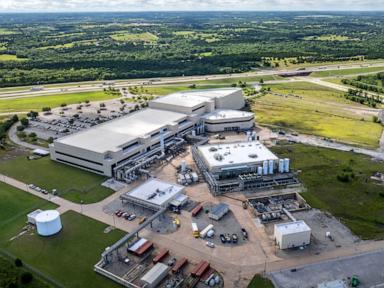
Let us be entirely transparent about what a server farm actually consumes. It is not just electricity, though the grid strain is becoming a terrifying reality in states like Virginia and Texas. It is capital. Real, physical, heavy capital that demands a return. When a major cloud provider drops ten billion dollars on specialized chips, that money is not floating in a digital cloud; it is parked in concrete buildings that generate massive depreciation charges from day one.
Marcus pulled up a spreadsheet from three years ago and compared it to yesterday's close. The revenue lines for the software giants were climbing, yes. But the cost lines—the sheer, staggering cost of keeping the artificial brains humming—were climbing faster. It is the classic trap of the gold rush. The people who made the real fortunes in 1849 were not the miners knee-deep in freezing mud; they were the merchants selling shovels.
Today, the chipmakers are selling the shovels. But the miners are starting to look at their yields and wonder if there is actually enough gold in the mountain to pay off the credit card bills.
Consider the behavior of institutional investors over the last month. These are not day traders high on espresso and internet rumors. These are committees of cautious people who wear sensible shoes and analyze risk models built on decades of historical precedent. They noticed something subtle. The velocity of adoption—how fast everyday businesses integrate these tools into their daily workflows—is hitting a ceiling of practical utility.
A legal firm does not need ten different enterprise AI subscriptions if three of them make the same errors and require an exhausted associate to double-check every single citation. An enterprise software buyer does not want to pay a premium subscription fee for a feature that saves an employee four minutes on a Tuesday if the software license costs more than the employee's lunch budget for a month.
The market thrives on momentum, but it survives on reality.
When doubts creep in, they do not arrive with the dramatic crash of a theater curtain. They arrive as a quiet erosion of confidence. A whisper during a lunch meeting in Manhattan. A revised guidance note from an analyst in London who uses words like "normalization" and "margin compression." Suddenly, the valuation multiples—the magical numbers that allow a company to trade at fifty times its future earnings—begin to look less like a stairway to heaven and more like a tightrope strung across a very deep canyon.
Marcus took a sip of his bitter coffee. He looked at his phone. A text from his mother popped up on the screen, asking if her pension was safe.
He didn't reply immediately. He didn't need to panic, and neither did she. The technology itself is not a fraud; the electricity is real, the microchips are physical objects of astonishing engineering, and the problems these systems can solve are vast. What is breaking is the fantasy of infinite, frictionless acceleration. Wall Street hates nothing more than the cold splash of reality after a very long, very expensive dream.
The market is maturing. And maturation hurts. It forces companies to stop selling the sizzle of a science fiction future and start proving the mundane, grinding profitability of a standard business model.
The glass cup was empty now. The morning traffic below had thinned out, leaving behind wet streets reflecting the pale, indifferent light of a Tuesday afternoon. The numbers on the screens kept moving, searching for a new equilibrium, weighing the cost of tomorrow against the brutal math of today.