You can buy a lot of things in Britain, but a seat at the high table of democracy shouldn't be one of them. Yet, here we are.
Right now, Westminster is gripped by a quiet panic over how political parties fund themselves. The Representation of the People Bill is making its way through the House of Commons, and it’s turning into a massive test of whether our politicians actually have the spine to stop ultra-wealthy mega-donors from pulling the strings.
The scale of the problem is staggering. According to data from Transparency International UK, the share of private political donations coming from individuals and companies giving £1 million or more has skyrocketed from just 1% in 2015 to a whopping 35% in 2024. That is a 35-fold increase in less than a decade. We aren't talking about a gentle shift. This is a hostile takeover of political influence by a tiny, ultra-wealthy elite.
The Gaping Loophole in the New Rules
Let's look at what the government is actually doing. Ministers recently accepted recommendations from the Rycroft review to crack down on foreign interference. They've introduced a £100,000 annual limit on donations from British citizens living abroad and banned political donations made in cryptocurrencies. They even closed a loophole by banning overseas donors from "popping back" to the UK to bypass the cap for a year after their return.
But they completely missed the elephant in the room.
The government flatly rejected calls to put a blanket cap on donations from UK-resident individuals. Think about that. A billionaire can't send £10 million from an offshore account, but if they register a UK address, they can write a check for whatever amount they want.
Take Christopher Harborne, the Thailand-based crypto investor who gave a record-breaking £9 million to Reform UK. To put that in perspective, it would take an average British worker about 3,000 years to save that much money, assuming they spent absolutely nothing else. When the £100,000 overseas cap was announced, Harborne simply made plans to move back to the UK. While Labour’s new rules will block him from donating for 12 months after his return, it is only a temporary pause. Once that year is up, the tap turns right back on.
Why Both Sides are Terrified of a Real Cap
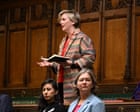
Labour MP Stella Creasy has proposed a amendment to cap all individual donations at £100,000. It’s a common-sense proposal that would bring the UK in line with other democracies. In France, individual donations are capped at €7,500. Canada and Australia have strict limits too.
So why won't the front benches support it? Because of a decades-old standoff.
The Conservatives rely heavily on wealthy hedge fund managers and corporate chiefs. Labour relies on massive funding injections from trade unions. Neither side wants to disarm first. Even now, the GMB union has actively warned Labour MPs that supporting a donation cap could trigger a massive backlash and destroy party funding.
It’s a classic protection racket. The politicians claim they want to "clean up politics," but they don't want to clean it up so much that they actually have to work for their money.
How the UK Compares on Political Donation Caps:
- France: €7,500 (£6,390) limit per year
- Canada: $1,725 CAD limit per year
- United Kingdom: No limit for UK residents
The Vicious Cycle of Election Spending
The root of this addiction is spending. In 2023, the Conservative government quietly jacked up the election campaign spending limit by 80%. Predictably, the 2024 general election became the most expensive in modern British history, with parties blowing over £90 million.
When you raise the spending cap, you force parties into an arms race. They can't raise £90 million from £5 membership fees. They need deep pockets. They need the tech entrepreneurs, the property developers, and the crypto barons who want deregulation, tax cuts, and a government that looks the other way.
We are left with a system where 84% of the public believes wealthy donors use their cash to buy political influence. And they are absolutely right.
The Next Steps for a Clean Democracy
If we actually want to fix this, we need to stop tinkering at the edges. Here is the blueprint for real reform:
- Introduce a hard cap on all individual donations. A £10,000 limit, phased down from £100,000, would force parties to reconnect with ordinary voters instead of courting billionaires.
- Slash campaign spending limits. Cut the maximum election spend by at least a third to stop the arms race. If parties can't spend £90 million, they won't need to beg for it.
- Move to a fairer state-funding model. Fund parties based on the number of votes they secure in elections, similar to the German and French systems. Yes, using taxpayer money is tough to sell, but it is vastly cheaper than paying the policy price of letting billionaires write our tax laws.
The Representation of the People Bill is the best chance we've had in a generation to take big money out of the equation. If MPs block these changes now, they are telling the public loud and clear that our democracy is officially for sale to the highest bidder.



