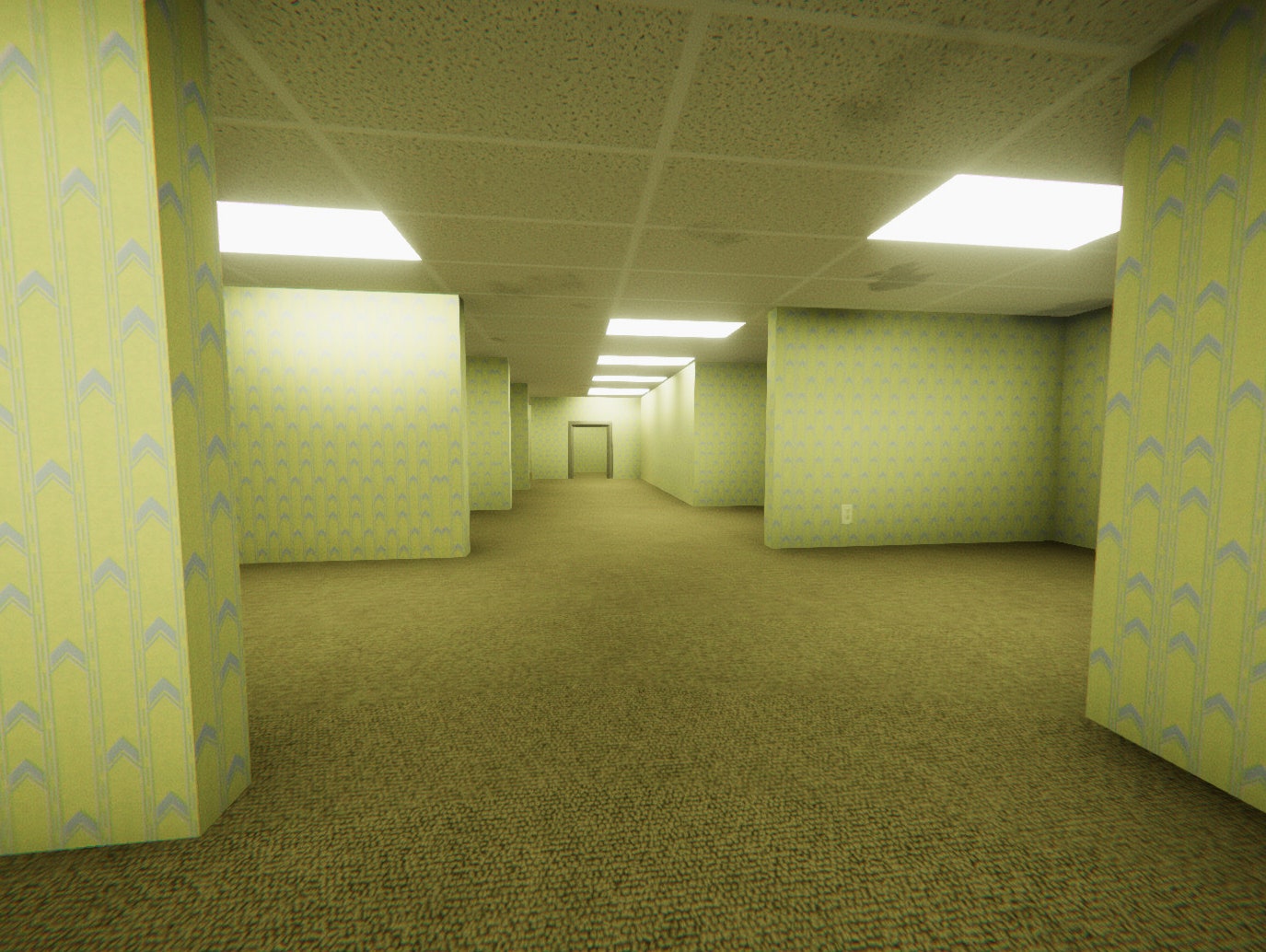
Internet lore used to stay on the internet. It was a niche playground for creepypasta writers and forum lurkers. Then a short film dropped on YouTube and changed how movie studios look at indie horror.
Kane Parsons was only 16 when he uploaded The Backrooms (Found Footage) in January 2022. It didn’t just go viral. It exploded. A terrifyingly simple concept—falling through the floor of reality into an endless, yellow-walled labyrinth of empty office spaces—captured tens of millions of views. It caught the eye of A24, the indie studio giant behind hits like Hereditary and Everything Everywhere All at Once. Now, A24 is turning this digital urban legend into a major feature film, with Parsons directing during his school breaks.
This isn't just another internet trend getting a quick movie deal. It marks a fundamental shift in how Hollywood finds stories and how audiences experience fear.
The Death of the Traditional Jumpscare
Mainstream horror is lazy. You know the routine. The music swells, the camera pans slowly to an empty doorway, everything goes quiet, and then a monster screams into the lens. It’s a cheap neurological reflex, not genuine dread.
The Backrooms works because it relies entirely on liminal space horror. A liminal space is a transitional place left empty—a school hallway at midnight, a deserted airport terminal, or a shopping mall after closing hours. These places feel wrong because they lack human purpose.
When you look at those sickly yellow walls and fluorescent lights, your brain tries to find a pattern. It tries to find an exit. The horror comes from the realization that there isn't one. The space itself is hostile, even before any creature shows up. Parsons understood this perfectly. He built an atmosphere of crushing isolation using basic 3D software in his bedroom.
Hollywood has spent decades pouring millions into CGI monsters and elaborate set pieces. Yet, a teenager with a computer proved that a blurry VHS filter and some hum-buzzing fluorescent lights could terrify the world more effectively than a $100 million studio budget.
From 4chan Meme to Studio Deal
The Backrooms didn't start with Parsons. The concept originated on a 4chan board back in 2019. An anonymous user posted a picture of an unsettling, yellow room with a caption describing how you can accidentally "noclip" out of reality if you aren't careful.
"If you're not careful and you noclip out of reality in the wrong areas, you'll end up in the Backrooms, where it's nothing but the stink of old moist carpet, the madness of mono-yellow, the endless background noise of fluorescent lights at maximum hum-buzz..."
The internet did what it does best. It crowdsourced a mythology. Users added "levels," created entities, and wrote survival guides.
What Parsons did was streamline the chaos. He stripped away the overly complex fan wiki lore and focused on the raw, unsettling visual experience. He created a narrative framework involving ASYNC Foundation, a fictional 1980s research institute that opens a portal to this alternate dimension.
By grounding the surreal horror in faux-scientific bureaucracy and retro VHS aesthetics, he made the impossible feel intensely real. A24 noticed. Along with horror heavyweight James Wan’s Atomic Monster and Shawn Levy’s 21 Laps, they backed the project.
This completely bypasses the traditional Hollywood pipeline. Script readers aren't sorting through agency piles to find the next big thing anymore. They're scrolling YouTube and monitoring digital subcultures.
Why Generational Fear Looks Different Now
Every era gets the horror it deserves. The 1970s gave us slasher films born from suburban anxiety and distrust of authority. The 2000s brought found-footage shaky-cam terror, mirroring the raw footage of real-world tragedies on the nightly news.
The Backrooms represents a uniquely modern, digitally native anxiety.
Gen Z and younger millennials grew up in a world dominated by open-world video games. They know what happens when a game glitches. You fall through the map into a gray void. The Backrooms is that exact digital glitch applied to physical reality. It's the fear that our world is just a poorly rendered simulation, and a single misstep can drop you into the unfinished basement of existence.
It also speaks to a deep sense of modern alienation. These spaces look like offices, hotels, and institutional buildings—the very places built to organize human life. Yet they're completely empty, devoid of meaning, stretching out into infinity. It's existential dread wrapped in a corporate aesthetic.
Surviving the Transition to the Big Screen
Taking a short YouTube video and stretching it into a 90-minute theatrical release is incredibly risky. The history of internet-to-film adaptations is littered with disasters. Remember the Slender Man movie in 2018? It was a critical flop that completely missed why the original creepypasta was scary, turning a mysterious internet entity into a generic movie boogeyman.
To avoid that fate, the team behind The Backrooms needs to respect the medium.
- Keep the mystery alive. Explaining exactly what the Backrooms are, where they came from, and how to destroy them kills the horror. The unknown is the entire point.
- Focus on the audio design. The oppressive, constant hum of the lights is just as important as the visuals. The soundscape needs to feel claustrophobic.
- Don't overcomplicate the plot. Audiences don't need a convoluted backstory about government conspiracies if it takes away from the terrifying experience of being lost in an infinite maze.
If A24 lets Parsons maintain his specific visual language while giving him the resources of a full production crew, this could redefine theatrical horror for the next decade.
How to Explore the Genre Right Now
You don't have to wait for the theatrical release to understand why this style of storytelling works. The digital underground is already full of projects pushing these boundaries.
Start by watching Kane Parsons’ original playlist on YouTube chronologically. Pay attention to how he uses pacing and silence. Next, look into indie horror games on platforms like Itch.io. Games like Anemoiapolis or The Complex: Found Footage let you walk through these spaces yourself, proving that interactivity makes liminal horror even more intense.
Pay attention to how these creators build tension without relying on blood, gore, or expensive special effects. They rely on the environment. The environment is the monster. That's the lesson Hollywood is currently paying millions of dollars to learn.