Power has a distinct weight. Most people assume it feels like velvet, heavy and soft, draped over shoulders that never have to strain. But walk into the private quarters of certain architects of the digital age, and you find a different reality entirely. The weight of absolute control feels remarkably like iron.
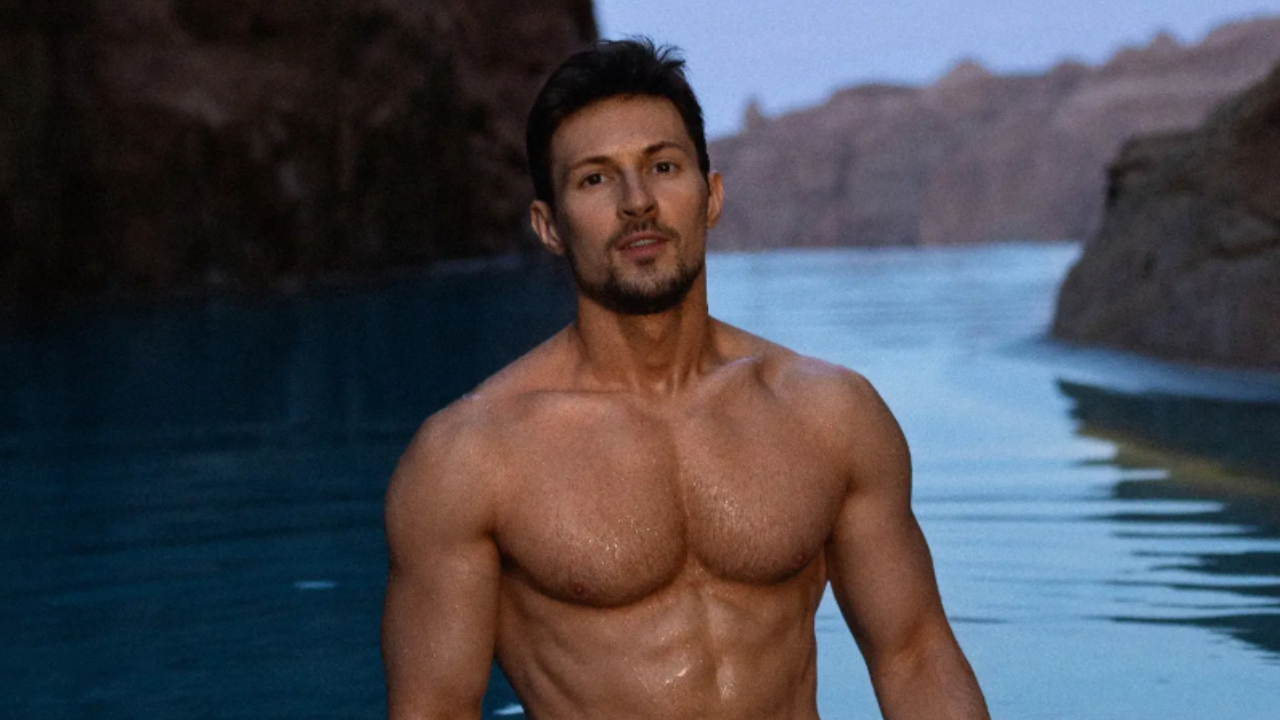
Consider the man who built a messaging empire for nearly a billion souls while choosing a life of monastic exile. Pavel Durov moves through the world like a ghost who refuses to be caught on film. While others in his tax bracket surround themselves with fleets of yachts and sprawling estates, his currency is subtraction. No sugar. No alcohol. No caffeine, meat, dairy, or gluten. Just an unyielding refusal to let the physical vessel soften, backed by a daily physical ritual that would break most professional athletes: three hundred push-ups, three hundred squats, and an icy immersion that resets the nervous system.
It looks like madness from the outside. Yet, beneath the stark headlines and the viral snapshots of a shirtless billionaire standing on a frozen lake, there is a philosophy at play. This is not mere vanity. It is an extreme architectural project.
To understand why a man worth billions chooses a diet that reads like a prison manifest and a workout regimen that demands daily suffering, you have to look at what he is running from. Not his enemies, though those exist in abundance across Moscow and Western capitals alike. He is running from entropy.
We live in a culture that worships comfort. We optimize our lives for friction reduction. Every app, every delivery service, every temperature-controlled room is designed to cushion us against the jagged edges of existence. We soften. And in softening, we lose our grip on ourselves.
Durov recognized early that if you want to build a sanctuary for encrypted rebellion, a digital fortress that governments cannot pierce, your mind cannot be a democracy of impulses. It must be an autocracy of discipline.
The daily routine is well-documented by tech chroniclers, yet its internal logic remains misunderstood. When you eliminate sugar, you eliminate the erratic peaks and valleys of modern blood chemistry. When you banish alcohol, you reclaim the quiet hours of the night and the clean clarity of the morning. When you drop yourself into ice water, you force the primitive brain to surrender to the rational will.
Three hundred push-ups. Three hundred squats.
Try it. Do not just read the numbers as a statistic on a screen. Picture the floor. Picture the burn that starts in the deltoids around repetition seventy, the screaming protest in the quadriceps as you push up from the bottom of the hundredth squat. Fatigue is not just a physical sensation here; it is an adversary. Every repetition is a vote cast against decay.
This hyper-asceticism is the secret engine behind Telegram's astonishingly lean operation. While competitors bloat their workforces with tens of thousands of bureaucrats, middle managers, and corporate compliance officers, Durov ran his global empire with a tiny core of elite engineers. He operates from a nomadic base, moving from Dubai to various global hubs, carrying almost nothing. No real estate. No material anchors. Just a laptop, a passport, and an iron will.
There is a profound irony here. The digital tools we use to escape our physical reality—the glowing screens, the endless scroll, the virtual communities—are managed by someone who treats the physical body like a Spartan training camp. While we sit motionless on couches, thumbing through memes on the apps he designed, he is outside, barefoot in the snow, enduring cold that stops the breath.
We look at figures like Durov with a mixture of awe and uneasy repulsion. We want our leaders to be relatable. We want them to share our fatigue, our Friday night indulgences, our quiet compromises with mediocrity. When someone rejects the buffet of modern indulgence entirely, it feels like an indictment of our own choices.
So we call it eccentric. We write articles about his biohacking protocols and his penchant for black clothing as if he were a comic book villain plotting world domination from a hollowed-out volcano.
The truth is much simpler, and much more uncomfortable.
He is simply paying the price of admission for total independence.
Freedom is not a legal status granted by a constitution. It is a capacity built in the dark, during the repetitions nobody watches. Every time you say no to the easy dopamine hit, every time you subject your muscles to strain when your brain begs you to rest, you widen the moat around your own mind.
Durov understood that if you want to own a platform that refuses to bend the knee to state censors, you cannot bend the knee to your own biological impulses. The iron discipline of the body translates directly into the unyielding architecture of the code.
The snow is falling outside the window now. Somewhere in the world, a phone lights up with a new notification, routed securely through a server farm that few will ever see, managed by a man who has already finished his morning suffering. The screen is bright. The room is warm. But out in the cold, the work continues.