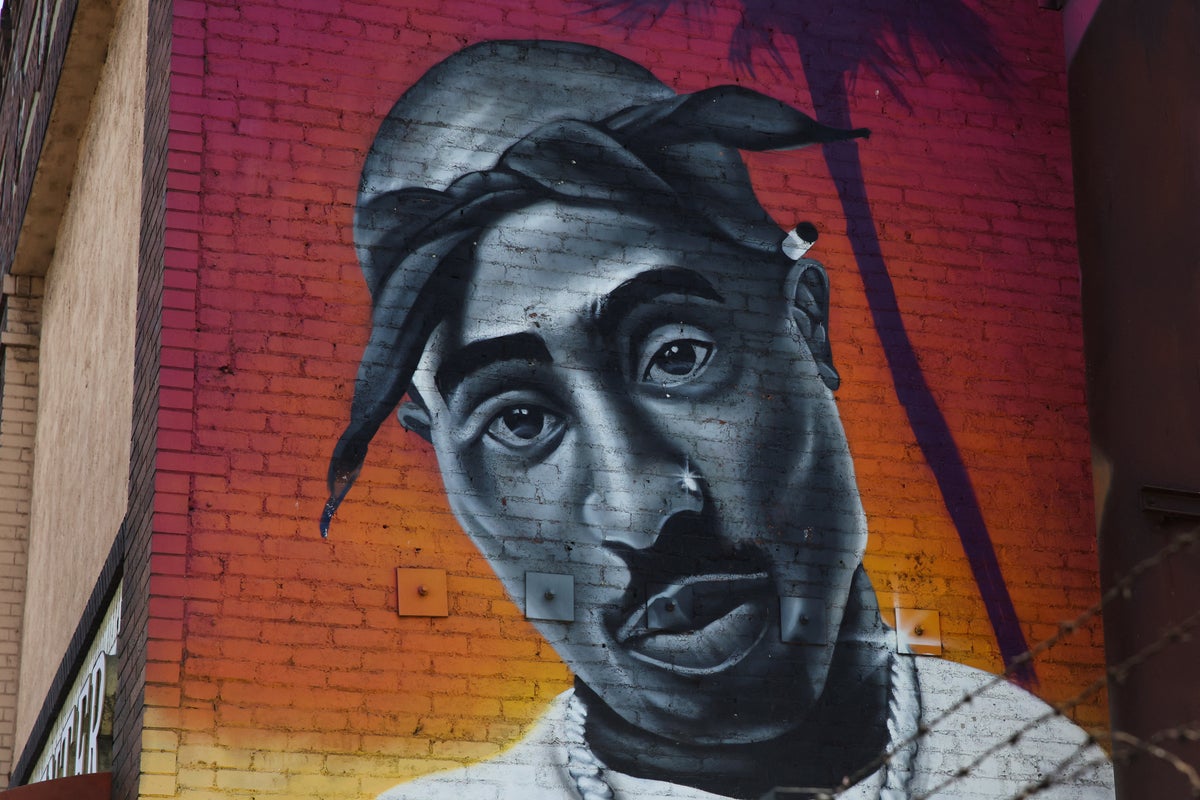
Nearly thirty years after a drive-by shooting on the Las Vegas Strip ended the life of Tupac Shakur, the criminal justice system is attempting to resolve the most high-profile cold case in modern music history. Duane "Keffe D" Davis sits on trial facing a single count of murder with a deadly weapon, complicated by a gang enhancement clause. Rather than evaluating this proceeding through the emotional lens of fan culture or historical nostalgia, a rigorous examination requires deconstructing the evidentiary framework, the prosecution's burden of proof, and the operational mechanics of the street organizations that dictated the events of September 7, 1996.
The Evidentiary Core and the Burden of Proof
To secure a conviction, the state does not need to prove that Duane Davis pulled the trigger. The physical gunman, Orlando Anderson, died in an unrelated shooting in 1998. Instead, the prosecution operates under an accessorial liability framework, alleging that Davis acted as the tactical architect who procured the weapon and commanded the vehicle from which the fatal shots originated.
This legal strategy relies heavily on admissions made by the defendant himself. For decades, the case remained dormant due to institutional evidentiary hurdles and uncooperative witnesses. The dynamic shifted entirely when Davis published a memoir and participated in numerous media interviews detailing his role in the orchestration. The trial therefore hinges on two primary variables:
- The Admissibility of Self-Incrimination: The defense faces a monumental hurdle in attempting to suppress statements Davis made during past police interviews and his published autobiography. Prosecutors have structured their entire narrative around these texts, arguing that voluntary public declarations bypass standard informant confidentiality protections.
- The Gang Enhancement Clause: Under Nevada law, the state must prove that the homicide was committed with the intent to promote, further, or assist a criminal gang. This transforms the courtroom into an analytical assessment of sub-cultural economics, territorial control, and street-level institutional hierarchies.
The Structural Catalyst: Institutional Conflict
The shooting did not occur in a vacuum; it was the catastrophic intersection of two distinct corporate and territorial power structures: Death Row Records and the South Side Compton Crips, intersecting with rival factions like Mob Piru.
The friction point on the night of the murder was a localized physical altercation inside the MGM Grand hotel following a Mike Tyson boxing match. Tupac Shakur and his associates confronted Orlando Anderson, Davis’s nephew, over an earlier dispute. In the ecosystem of street organizations, a public infraction of this magnitude imposes an operational tax. Unaddressed, a loss of status threatens the operational security and dominance of the faction.
The state's theory maps this cause-and-effect chain with ruthless clarity:
- The Infraction: The physical assault on Anderson at the MGM Grand.
- The Retaliatory Incentive: The immediate necessity to restore deterrence and street capital.
- The Resource Allocation: Davis allegedly sourcing a Glock firearm and distributing tactical direction to occupants of the white Cadillac.
- The Execution: Intercepting the vehicle carrying Shakur and Marion "Suge" Knight at a red light on Flamingo Road.
The Defense Matrix and Evidentiary Vulnerabilities
The defense strategy does not contest the broad historical timeline, but rather attacks the structural integrity of the state’s proof. Counsel argues that the memoir "Compton Street Legend" contains heavily fictionalized elements designed for commercial monetization, rendering it unreliable as a literal confession of fact.
Furthermore, the defense highlights the absence of surviving corroborating eyewitnesses from inside the vehicle who can legally attest to Davis’s verbal commands in the moments preceding the gunfire. Because primary actors from that night are deceased, the state relies on circumstantial chains, audio recordings, and recorded interviews that defense attorneys argue were taken under compromised legal understandings.
Strategic Outlook
The proceeding is not an inquiry into the broader cultural mythology of East Coast versus West Coast rap rivalries, though that backdrop provides context. It is a targeted, narrow legal test of whether historical statements and systemic gang structures can successfully bridge a thirty-year evidentiary gap. If the state prevails, it will validate a prosecutorial blueprint where an aging subject's commercialized confessions serve as the primary engine for closing historical cold cases. If it fails, it will underscore the limits of narrative-driven evidence in the absence of pristine forensic chains.
Tupac Shakur murder suspect's trial pushed to 2026
This video provides local news coverage regarding the scheduling adjustments and legal preparations leading up to the Duane Davis trial in Las Vegas.
http://googleusercontent.com/youtube_content/1
:max_bytes(150000):strip_icc()/ar-American-Cheese-taste-test-horizon-4x3-54cc339550cd44b9a818c17bdfd5428d.jpg)