When an ecosystem experiences structural collapse driven by a hyper-prolific invasive predator, traditional eradication methods routinely fail due to exponential reproduction rates. The decision by Italian authorities to release 80,000 common octopuses into the Adriatic Sea to combat the explosion of the blue crab population represents a high-stakes biological control intervention. Understanding why this strategy was deployed requires moving past simplistic narratives of nature fighting nature and examining the underlying economic, ecological, and operational mechanics of marine resource management.
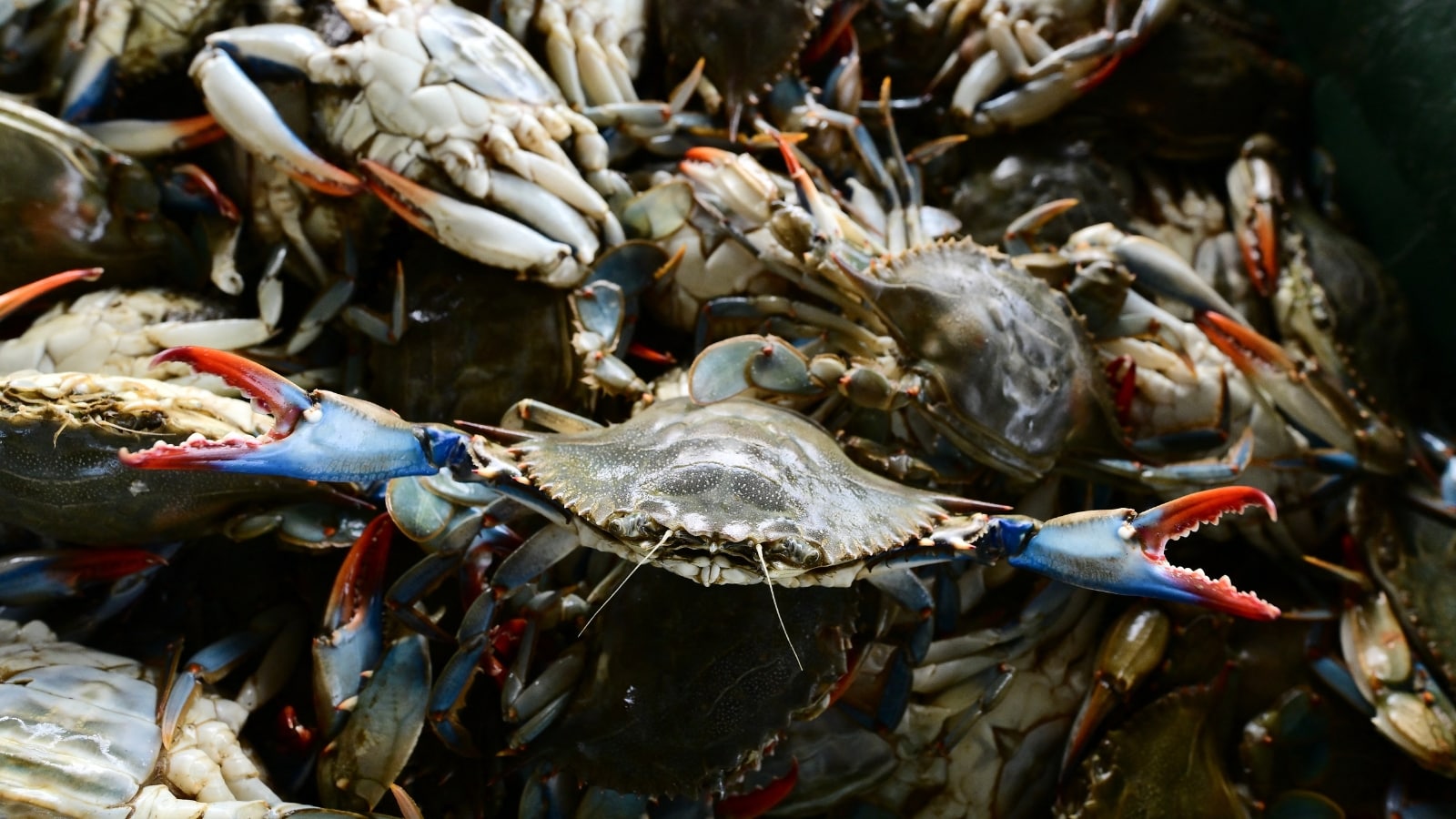
Fisheries across the Po Delta and wider northern Adriatic have sustained severe structural damage. The blue crab (Callinectes sapidus), native to the western Atlantic, arrived via ballast water and encountered zero native apex predators capable of matching its aggressive foraging behavior and high fecundity. These crabs systematically decimated commercial bivalve aquaculture, specifically targeting clams and mussels. This created an economic crisis for local cooperatives.
When chemical treatments are impossible in open marine environments and mechanical removal via trapping hits diminishing returns due to labor costs, management reverts to biological control. The intervention relies on introducing a specialized predator to shift the trophic dynamics back toward equilibrium.
The Economic Cost Function of Invasive Crabs
The blue crab crisis is fundamentally an economic problem disguised as an ecological one. In marine bio-economics, an invasive species alters the cost function of commercial harvesting by destroying the underlying asset base.
- Yield Destruction: Blue crabs possess crushing chelae that allow them to consume high volumes of juvenile and adult Manila clams. This directly reduces harvest yields before stock reaches commercial size.
- Gear Damage: The aggressive nature of the crabs leads them to attack fishing nets, tear commercial mesh, and consume trapped fish, escalating operational overhead for small-scale fishers.
- Market Disruption: While some regions attempt to build export markets for blue crab meat to incentivize human harvesting, processing infrastructure in the Mediterranean lacks the scale required to absorb millions of tons of biomass.
Human harvesting alone operates with negative elasticity of supply in this context. As crab populations multiply, the catch per unit effort drops for traditional fishers, causing them to abandon targeted harvesting. Without an autonomous predator to suppress the juvenile cohort, the crab population remains above the carrying capacity of the impacted commercial zones.
The Behavioral Ecology of Octopuses as Predators
Deploying Octopus vulgaris as a bio-control agent introduces specific behavioral and physiological variables that differentiate it from mammalian or vertebrate introductions. Octopuses are solitary, highly intelligent benthic predators with a specialized diet that heavily favors crustaceans and mollusks.
The biological rationale rests on three key predatory mechanics:
- Targeted Foraging Efficiency: Octopuses hunt by actively searching crevices, mudflats, and benthic structures where blue crabs burrow during molting phases, which is when crabs are most vulnerable.
- Metabolic Demand: As cold-blooded invertebrates with rapid growth rates, octopuses require substantial caloric intake, translating directly into high daily predation rates on medium-to-small benthic organisms.
- Behavioral Avoidance: Even when an octopus does not successfully kill a crab, the mere presence of an apex invertebrate predator induces chronic stress responses, altering foraging behavior and habitat selection in the prey population.
However, scaling this intervention from a laboratory hypothesis to an open-sea deployment exposes severe operational vulnerabilities. Unlike closed aquaculture facilities, the Adriatic Sea is an open, dynamic water column subject to thermal shifts, salinity gradients, and commercial fishing pressure.
Operational Bottlenecks in Open-Sea Bio-Control
The decision to release 80,000 individuals sounds substantial, but absolute numbers mean little without context regarding carrying capacity, mortality rates, and dispersal patterns. Marine interventions face three structural failure points.
The first bottleneck is spatial dispersion. Octopuses are territorial and mobile, but they lack the homing mechanisms or social structures to remain densely aggregated in the specific nursery grounds where blue crabs concentrate. Once released, individuals disperse rapidly across wider benthic zones, diluting the localized predation pressure required to protect commercial clam beds.
The second constraint is trophic opportunism. Octopuses are generalist predators. While they consume blue crabs, they also feed on commercially valuable native species, including the very Manila clams and fish that the intervention aims to protect. If an introduced octopus finds an abundant, immobile bed of farmed clams easier to predate than a defensive, highly aggressive blue crab, the intervention can inadvertently accelerate the economic damage to the fishery.
The third variable is anthropogenic mortality. The Adriatic is one of the most intensively fished marine basins in the world. Released octopuses frequently encounter bottom trawls, set nets, and artisanal traps. Without concurrent regulatory protections halting octopus harvesting in target zones, the 80,000 specimens face rapid attrition from commercial fleets before completing their ecological function.
Evaluating Long-Term Systemic Risk
Introducing non-native species or hyper-supplements of native species carries historical warning flags in conservation biology. While Octopus vulgaris is native to the Mediterranean, artificially skewing the sex ratios, age distribution, and localized density introduces unpredictable feedback loops.
If the octopus population spikes successfully and clears out the blue crab cohort, the ecosystem faces a subsequent vacuum. Predators deprived of their primary food source will either starve, migrate, or shift entirely to native fauna, triggering a secondary trophic cascade. Furthermore, octopuses possess short life spans, typically living between one and two years. This means the intervention has a strict biological expiration date. Once the cohort completes its lifecycle, the system resets unless sustained by continuous restocking programs or natural recruitment.
Managing an open-marine ecosystem requires accepting that total eradication is mathematically impossible once an invasive species passes a critical ecological threshold. Success is redefined as economic mitigation, forcing the pest population down to a level where commercial aquaculture can coexist with background predation.
To determine if this strategy yields a net-positive return on investment, monitoring frameworks must track three metrics over the next twenty-four months: the catch-per-unit-effort ratios for local clam fishers, the shifting demographic size classes of the remaining blue crab population, and the benthic recovery rates in the Po Delta. If the economic losses to aquaculture drop faster than the operational costs of sourcing and releasing the cephalopods, the model transitions from an expensive ecological experiment to a viable blueprint for marine remediation.
Establish strict seasonal no-take zones for commercial fishing within a five-mile radius of octopus release sites to protect the deployed cohort from immediate bycatch mortality.