The traditional multi-year product lifecycle for Hollywood intellectual property (IP) is collapsing into a continuous, multi-platform monetization loop. Historically, a major theatrical release relied on a distinct linear progression: production, promotional trailers, theatrical windows, physical or digital distribution, and eventually, static theme park integration.
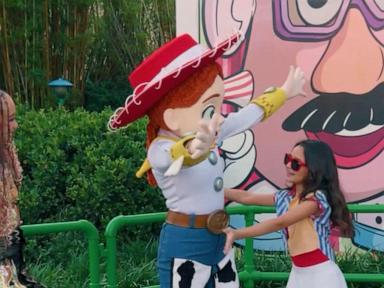
The launch of the "Jessie’s Roundup" exhibition at Magic Kingdom’s Diamond Horseshoe—operating under the seasonal marketing umbrella of "Cool Kids Summer"—demonstrates an optimized approach to corporate cross-promotion. By utilizing existing physical assets to introduce narrative elements from the theatrical release of Toy Story 5 prior to its box office debut, the Walt Disney Company is executing a precise exercise in micro-activation.
This framework replaces broad, expensive overhauls with high-density, low-capital-intensity promotional windows. It maximizes the utility of underperforming physical footprint infrastructure while compressing the latency between intellectual property creation and commercial exploitation.
The Operational Mechanics of the Micro-Activation Window
Theme park infrastructure faces structural inefficiencies during peak operational periods due to escalating summer temperatures and volatile weather patterns. The physical footprint of a theme park presents fixed capacity constraints. To optimize consumer throughput and maintain high satisfaction metrics, park operators must distribute crowds away from high-demand, high-congestion E-ticket attractions.
The utilization of the Diamond Horseshoe—a venue that has historically lacked a dedicated daily performance schedule for two decades—serves a specific operational function. The setup acts as a dual-purpose mechanism:
- Thermal Mitigation and Capacity Relief: It shifts guest volume from outdoor thoroughfares into a climate-controlled, indoor environment, reducing physical strain on guests during peak afternoon heat indexes.
- Asset Monetization Under Fast-Moving Ingress/Egress Cycles: Operating from 9:30 a.m. to 6:00 p.m. daily, the venue cycles through short-form, 15-minute high-frequency performance blocks rather than long-form, sit-down dining structures.
The economic yield of a physical space is a function of its operational throughput multiplied by its merchandise or corporate sponsorship attachment rate. By partnering with a consumer packaged goods brand to present the attraction, the variable costs associated with staffing, costuming, and performance logistics are offset by external marketing capital.
This model shifts the financial burden of an pre-release promotional campaign from a pure marketing cost center to a sponsored, revenue-neutral operational asset.
Pre-Release Narrative Integration and Consumer Acclimatization
The core strategic risk of a legacy film franchise sequel is consumer fatigue combined with an inability to convert younger demographics who lack historical ties to the original intellectual property. Toy Story 5 addresses this vulnerability by shifting the thematic conflict to a modern paradigm: traditional analog toys confronting the disruptive influence of digital tablet devices.
To bridge this conceptual gap before the film's theatrical debut, the physical theme park space is engineered as a tangible narrative onboarding mechanism. Rather than relying entirely on passive digital previews, the attraction integrates new characters and lore directly into interactive physical touchpoints.
The Spatial Distribution of Narrative Data
[Physical Onboarding Environment]
   ├── Lower Tier: Tactile Engagement (Ages 3-7)
   │     └── Physical Puzzles, Mazes, and Kinetic Rope Tasks
   ├── Mid Tier: Background Scenery and Environmental Context
   │     └── Representation of Secondary Franchise Characters
   └── Upper Tier: Canonical Narrative Preview
         └── Structural Introduction of New Cinematic Intellectual Property
The physical architecture of the activation space features specific narrative data points designed to introduce elements of the upcoming film. Visual media assets within the venue introduce the audience to new secondary characters:
- Blaze: A new human character framed around an equestrian subculture.
- Daffodil: An analog horse toy serving as a primary focal point for kinetic interaction.
- Snappy: A small camera toy designed to introduce themes of device ownership and surveillance within the film's plot.
- Atlas: A talking hippopotamus modeled after a GPS navigation device, which introduces the core thematic tension between analog items and digital geolocation hardware.
This spatial arrangement functions as an active learning mechanism. By interacting with these characters via physical puzzles, spatial mazes, and live performances, young consumers develop affinity markers before entering the theater. This pre-release exposure reduces consumer friction, increasing the likelihood of opening-weekend box office conversions.
Capital Preservation Through Asset Recirculation
The structural cost of theme park entertainment is driven by the fabrication of custom animatronics, physical sets, and complex environmental design. To maximize return on invested capital, modern entertainment strategies require the systematic recirculation of existing assets.
The visual background environment of the new western revue does not rely on newly fabricated props. Instead, the design uses flat, stylized representations of secondary characters previously engineered for virtual reward screens within the Toy Story Mania attraction at Disney's Hollywood Studios.
By scaling digital assets out of a virtual ride environment and transferring them into physical scenic designs at Magic Kingdom, the company reduces design overhead, shortens development timelines, and ensures visual consistency across different parks.
This approach balances two competing requirements:
$$V_{total} = F_{familiar} + N_{novel}$$
The total perceived value of an attraction relies on a precise mix of familiar franchise elements ($F_{familiar}$) and novel narrative additions ($N_{novel}$). The live show anchors consumer engagement using legacy assets like Woody and Jessie performing to established musical arrangements.
Once consumer attention is secured via these high-affinity anchors, the performance introduces new kinetic elements, such as dedicated rope-skipping athletes and interactive choreography. This structure keeps the core performance simple and repeatable while allowing the broader attraction to introduce complex, forward-looking promotional content.
Structural Constraints of Temporary Intellectual Property Deployments
While this micro-activation strategy provides immediate operational and marketing benefits, it operates under distinct structural constraints that limit its long-term viability.
The first limitation is the explicit expiration date of the seasonal window. Terminating the activation in early September introduces a strict boundary on the return on asset deployment. The transition back to a standard table-service dining layout requires additional capital expenditure to remove promotional infrastructure and re-establish standard food and beverage operations.
This short operational window prevents the attraction from compounding value over time, making its success entirely dependent on immediate box office returns and short-term attendance spikes.
The second limitation is the localized nature of the physical activation compared to the global scale of the theatrical release. While international locations like Tokyo Disneyland deploy distinct, region-specific strategies like wide-area scavenger hunts and custom menus, domestic operations remain constrained to specific, isolated areas within individual theme parks.
This geographic fragmentation creates an operational bottleneck. The physical experience cannot scale globally in real time, limiting its effectiveness to a small percentage of the total potential theatrical audience.
Global Franchise Coordination and Scaled Exploitation
The coordination of corporate divisions—ranging from theatrical distribution and streaming platforms to physical consumer products and international theme parks—requires a synchronized release calendar. The seasonal event serves as the physical anchor for a broader, multi-channel distribution strategy.
[Simultaneous Distribution Channels]
   ├── Physical Retail & E-Commerce (Mattel & LEGO Interlocking Toy Lines)
   ├── Digital Streaming Infrastructure (Targeted Ecosystem Marathons)
   └── Location-Based Entertainment (Climate-Controlled Park Overlays)
The operational rollout follows a strict chronological progression designed to maximize consumer exposure:
- Phase I: Localized Physical Onboarding (Late May): The debut of physical park installations establishes real-world touchpoints and generates organic, consumer-driven media coverage across social channels.
- Phase II: Media Cross-Pollination (Early June): Digital shorts and curated audio playlists deploy across streaming platforms, reinforcing the themes introduced in the physical spaces.
- Phase III: Theatrical Monetization (Mid-June to July): The global box office premiere converts accumulated consumer affinity into direct theatrical revenue.
- Phase IV: Tail-End Consumer Product Extraction (Late Summer): Interlocking toy lines and physical merchandise assortments sustain revenue generation as the theatrical window transitions toward home streaming availability.
To optimize this cross-promotional model in future deployments, park operators must transition from static, manual set changes to dynamic, digitally-driven environment designs. Relying on physical wood cutouts and local performance staff limits the speed at which content can be updated.
Implementing modular, projection-mapped environments and app-integrated augmented reality layers would allow a venue to switch promotional programming instantly. This evolution would turn a single physical space into a flexible multi-franchise asset capable of supporting different intellectual properties across morning, afternoon, and evening operational blocks.