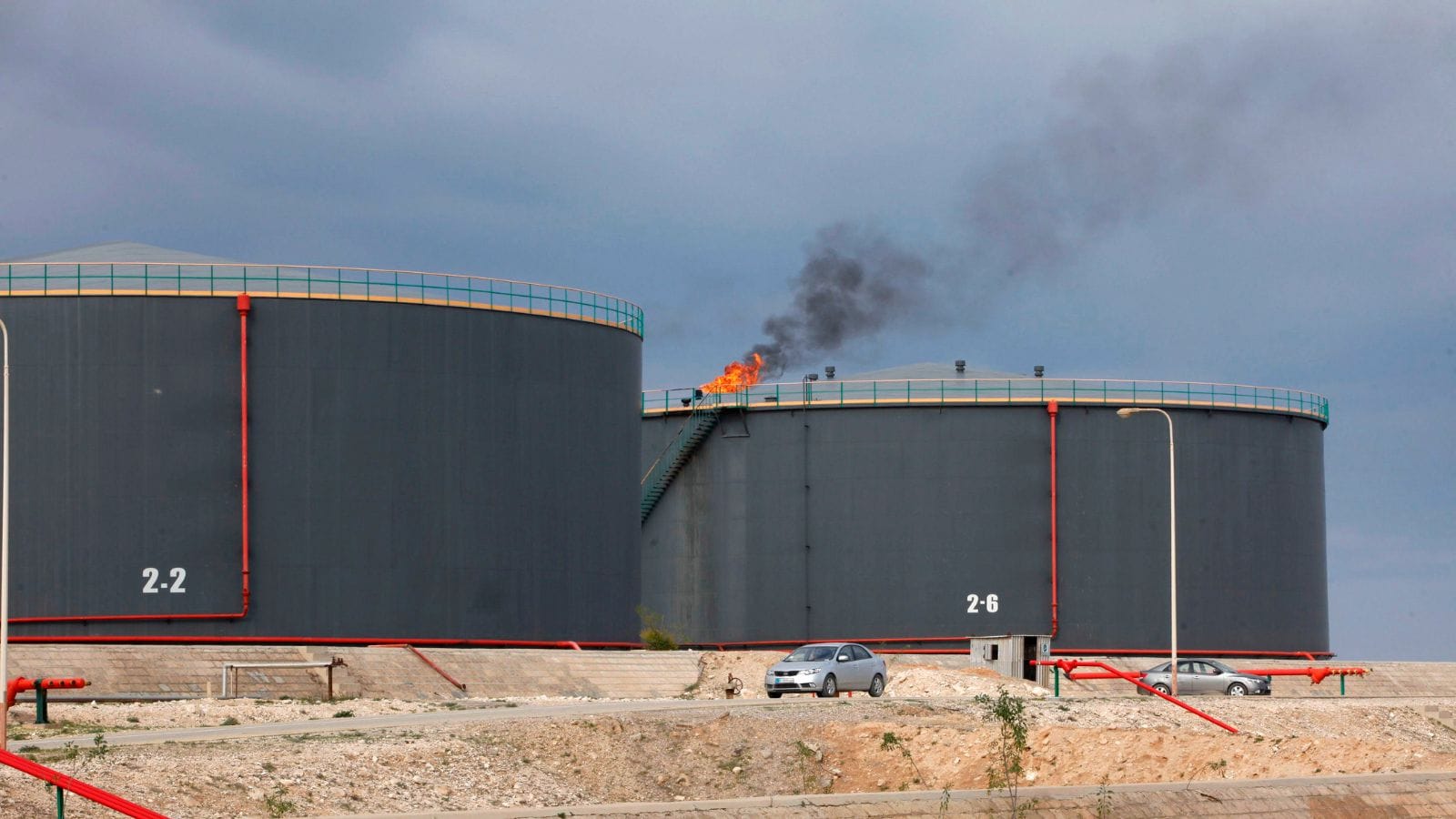
For decades, we treated national strength like an abstract math problem. We looked at GDP charts, military spending totals, and stock market indices, assuming that financial dominance equaled permanent immunity. It’s easy to feel invincible when money flows freely and your currency is the global standard. But that illusion shatters the second you try to build something physical and realize you no longer know how, or worse, you lack the physical space to store the components.
Ask any logistics manager trying to source specialized microchips or raw steel right now. They will tell you that the real battleground isn't Wall Street. It is the warehouse.
We forgot a fundamental truth of industrial might. Paper wealth means nothing if you can't move goods through a supply chain that actually functions. The modern economy runs on concrete, forklifts, and human labor standing inside massive distribution centers. When those choke points fail, the entire system stalls out.
The Myth of Infinite Economic Might
Every empire believes its dominance is eternal. Rome thought its legions would march forever. Britain assumed its naval supremacy couldn't be touched. Today, the United States suffers from a similar brand of dangerous overconfidence.
We traded physical manufacturing for digital efficiency. We outsourced our capacity to build things locally in favor of just-in-time delivery models designed to maximize short-term profits. It worked brilliantly until it didn't.
When global disruptions hit, those hyper-optimized supply chains snapped like dry twigs. Shelves emptied. Factories idled. Corporate executives suddenly discovered that spreadsheets don't manufacture goods.
You cannot code your way out of a physical shortage. If you don't have the warehouse capacity, the truck drivers, or the domestic assembly lines, your financial reserves won't save you. Real strength requires weight. It requires inventory. It requires the unglamorous work of storing, moving, and making physical items.
Inside the Modern Supply Crunch
Let's look at what actually happens when a major distribution hub goes dark. Most people picture a quiet building with a few boxes stacked in the corner. Reality is far more chaotic.
Modern fulfillment centers are high-stress environments operating on razor-thin margins. They rely on automated sorting systems, thousands of seasonal workers, and continuous inbound freight. When a labor dispute flares up, a weather event hits the coast, or software crashes, the backup cascades instantly.
During recent bottlenecks, port terminals from Los Angeles to Savannah piled high with containers that had nowhere to go. Why? Because local warehouses were completely full. There was zero empty floor space left to absorb incoming cargo.
This isn't just an inconvenience for retail shoppers waiting on cheap gadgets. It is a structural vulnerability. When critical medical supplies, industrial fasteners, or defense manufacturing components sit trapped in shipping containers because regional distribution networks are overwhelmed, national security is compromised.
We spent thirty years building an economy optimized for speed rather than resilience. We eliminated redundancies to save pennies, forgetting that redundancy is the only thing that keeps you alive when disaster strikes.
Why We Ignored the Factory Floor
How did we get here? Simple short-term thinking. Wall Street rewards quarterly earnings growth above everything else. Keeping large amounts of inventory on hand costs money. Maintaining excess warehouse space looks like an inefficiency on a balance sheet.
Consultants told CEOs to run lean. They told them to rely on global partners thousands of miles away. If a part can be made cheaper in a foreign factory, buy it there. Don't worry about who owns the intellectual property or who controls the shipping lanes. Just look at the invoice price.
This mindset created a dangerous dependency. We hollowed out domestic manufacturing towns. Entire generations grew up watching local plants close down and turn into empty lots or luxury condos. We traded our industrial working class for service sector jobs, assuming the transition would have no downside.
The human cost was massive. Entire regions fell into economic decay, fueling deep social resentment. Meanwhile, the corporate side of the economy grew bloated on financial engineering and software monetization, detached from the physical reality of how goods are actually produced and distributed.
What Real Industrial Resilience Looks Like
Fixing this mess requires admitting we made a mistake. We have to bring critical manufacturing back home and invest heavily in domestic logistics infrastructure.
Some companies are already trying to nearshore their operations. They are moving factories closer to home markets—shifting production to Mexico or southern states within the US. But building a factory takes years. Training a skilled workforce takes a generation. You can't just flip a switch and undo decades of globalization overnight.
We need a completely different approach to national infrastructure.
- Prioritize domestic manufacturing capacity for critical goods, especially pharmaceuticals, tech hardware, and heavy machinery.
- Subsidize modern warehousing and logistics tech that actually helps workers move products faster instead of just tracking corporate metrics.
- Invest in vocational education so young people see trades and industrial work as viable, high-paying career paths rather than fallback options.
- Build supply chain buffers by mandating minimum inventory levels for essential industries, treating backup stock like an insurance policy rather than a waste of money.
We got used to cheap goods arriving on our doorsteps within twenty-four hours without ever wondering about the fragile web of human labor and steel infrastructure making it happen. That era of magical thinking is ending.
The warehouse doesn't care about your GDP numbers. It only cares about whether you have the space, the people, and the capacity to keep things moving. Until we fix the foundation, the entire structure remains at risk.