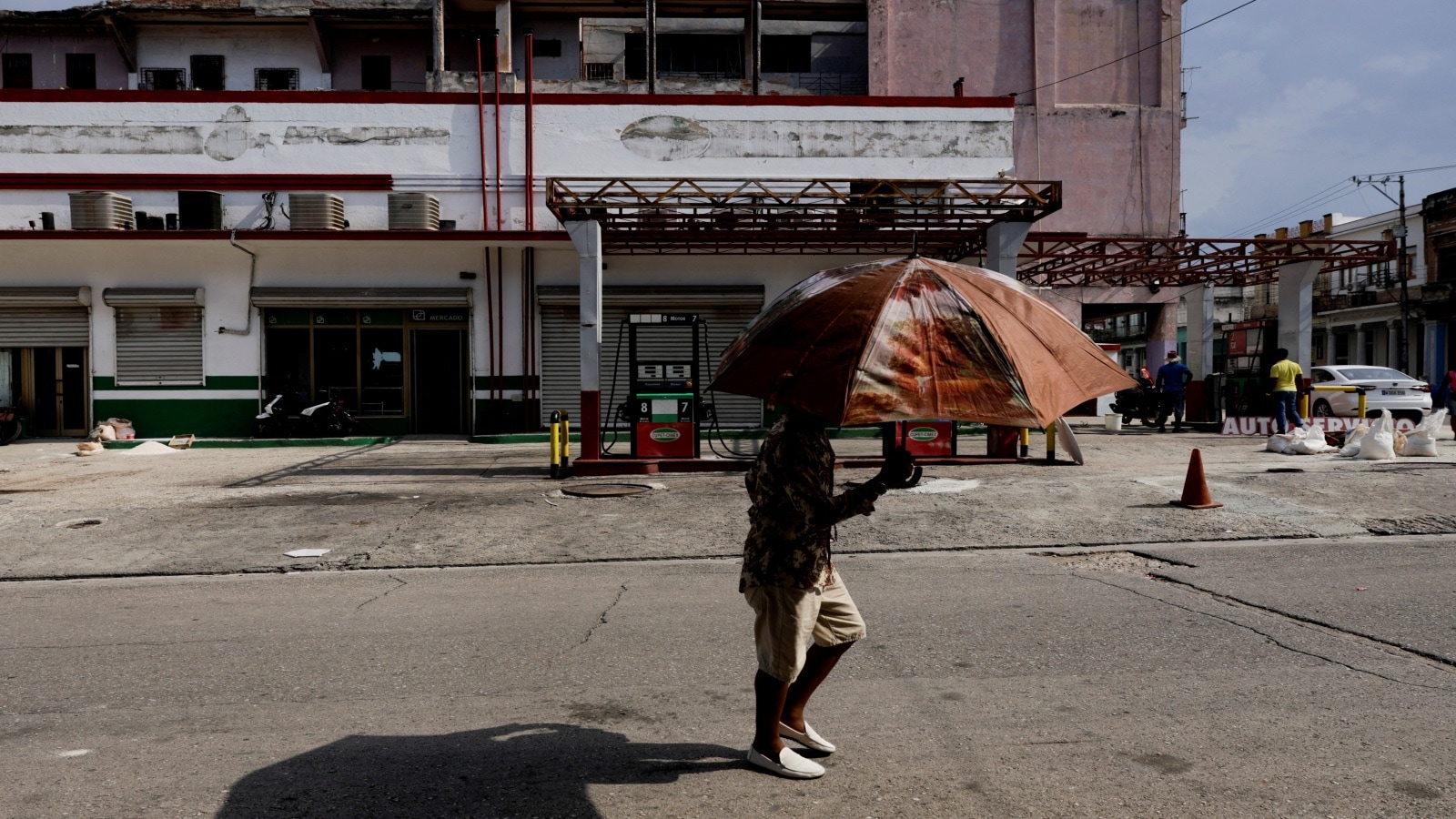
The sun does not negotiate in Havana. It arrives heavy, like a wet wool blanket dropped over the shoulders of the city, pressing down on the cracked asphalt of Vedado and the salt-whitened balconies of Centro Habana until the air itself feels thick enough to chew.
I remember the heat. Not as a number on a thermometer, but as a physical weight that drained the color from the afternoon. The paint on the 1950s Chevrolets blistered and peeled. The humidity clung to your skin like a second shirt. And down in the narrow corridors between crumbling colonial facades, the creatures who claimed the city's margins were learning a brutal new geometry of survival.
We tend to focus on the human architecture of a crisis. We track the price of a pound of rice, the unpredictable rhythms of the electrical grid, the long, quiet lines outside the pharmacies. But a society breaks at its edges first.
Consider the cats.
Not the pampered purebreds behind glass windows in wealthy capitals, but the feral colonies of Havana—the sleek, sharp-faced hunters who navigate the ruins of a once-glorious capital. They are the invisible barometers of a neighborhood's health. When the trash cans hold nothing worth scavenging, the cats change.
Maria knows this better than anyone. (To protect her privacy, I have changed her name, though her reality remains entirely unvarnished.) For thirty years, Maria has lived in a third-floor apartment overlooking a narrow alleyway draped with tangled electrical wires. She is a woman of quiet dignity, her silver hair pulled back into a neat knot, her hands permanently stained with the scent of cheap laundry soap and stale cooking oil.
"They used to be ghosts," she told me once, gesturing toward the sun-bleached courtyard below, where a scrawny ginger tomcat was pressing its belly against a patch of damp concrete. "You would see a tail flicking behind a pillar, a pair of green eyes in the dark. Now? They wait by the door. They look you in the eye. And they are tired."
That tiredness is the signature of the current moment.
To understand what is happening to Cuba’s stray population, you have to look past the picturesque decay that romantic travelers capture on their cameras. You have to look at the math of scarcity. When fuel shortages paralyze municipal services, garbage collection becomes irregular. When garbage collection falters, the rat population should theoretically boom. But the cats, relentless predators though they are, are running out of the energy required to hunt.
Energy. It is the fundamental currency of life, and right now, Cuba is bankrupt.
The economic pressures gripping the island—driven by a complex cocktail of tightened sanctions, post-pandemic tourism recovery struggles, and systemic infrastructural inertia—have created a cascading effect. Food scarcity is not an abstract macroeconomic indicator. It means that scraps from family tables, once the primary lifeline for millions of stray dogs and cats, have dwindled to almost nothing. Chicken bones are licked clean three times over by humans before they ever reach the street. Cooking oil is too precious to waste on leftovers.
The cats are feeling the heat, literally and figuratively.
Ambient temperatures have soared, driven by broader climatic shifts that hit island nations with disproportionate cruelty. Without shade, without clean water, without the scraps that sustained generations of alley cats through lean years, the animals are dehydrating at an alarming rate. Veterinarians in Havana—working with improvised medicines, expired antibiotics, and sheer stubborn willpower—report a surge in heatstroke, kidney failure, and malnutrition among street animals.
Yet, something remarkable happens in the dark.
Cubans are famous for a cultural trait known locally as resistencia criolla—an almost stubborn refusal to let circumstance strip away humanity. Even as families struggle to secure their own daily bread, you will still see an elderly man pouring a few precious drops of tap water into a cracked ceramic bowl on his doorstep. You will see a teenager sharing a corner of a meager fish head with a trembling kitten.
It defies rational economic logic. In a crisis, standard survival theory dictates hyper-individualism. Pull the drawstrings tight. Protect your own.
Instead, the streets tell a different story.
The bond between the people and the animals of Havana is an act of defiance. To care for a stray cat when your own refrigerator is humming an empty tune is to declare that you are still a civil society. It is a refusal to let the landscape become entirely barren.
We often look at foreign crises through the lens of statistics. We want the neat pie chart, the percentage drop in GDP, the official statement from a ministry. But statistics are cold armor. They protect us from feeling the actual pulse of a place.
The heat in Cuba does not care about politics. It beats down equally on the bureaucrat, the artist, the mechanic, and the ginger cat panting in the shade of a rusted-out radiator.
And as the sun dips below the Malecón, painting the sky in shades of bruised purple and burnt orange, the alleyways do not go silent. The cats emerge from the shadows, stretching their thin, wire-taut bodies. They step carefully over the broken stones, testing the air, searching for a miracle that may or may not arrive before morning.
The resilience of a city is measured not by how high its towers stand, but by how long its most vulnerable inhabitants can endure the fire.
The streetlights flicker on, casting long, fractured shadows across the pavement. Somewhere in the dark, a cat yowls—a sharp, piercing note that cuts through the heavy night air, demanding to be heard.