There is a specific kind of silence that settles over a locker room after a defeat. It is heavy, smelling of sweat, liniment, and ozone, thick enough to choke on. The televisions are usually muted. The media has not yet been let in through the heavy double doors. In that vacuum, a competitor sits staring at a taped ankle or a bloodied glove, and the world outside simply ceases to exist.
Nobody likes to lose. That is a sentiment so universally acknowledged it almost feels trite to say it out loud. Yet, we rarely pause to examine the machinery of that hatred. We treat losing as a minor speed bump on the road to success, a lesson packaged in a neat, digestible sports-cliché bow. Win with grace, lose with dignity. Shake hands, look forward to next week.
Brock Lesnar never quite learned how to nod politely and move on.
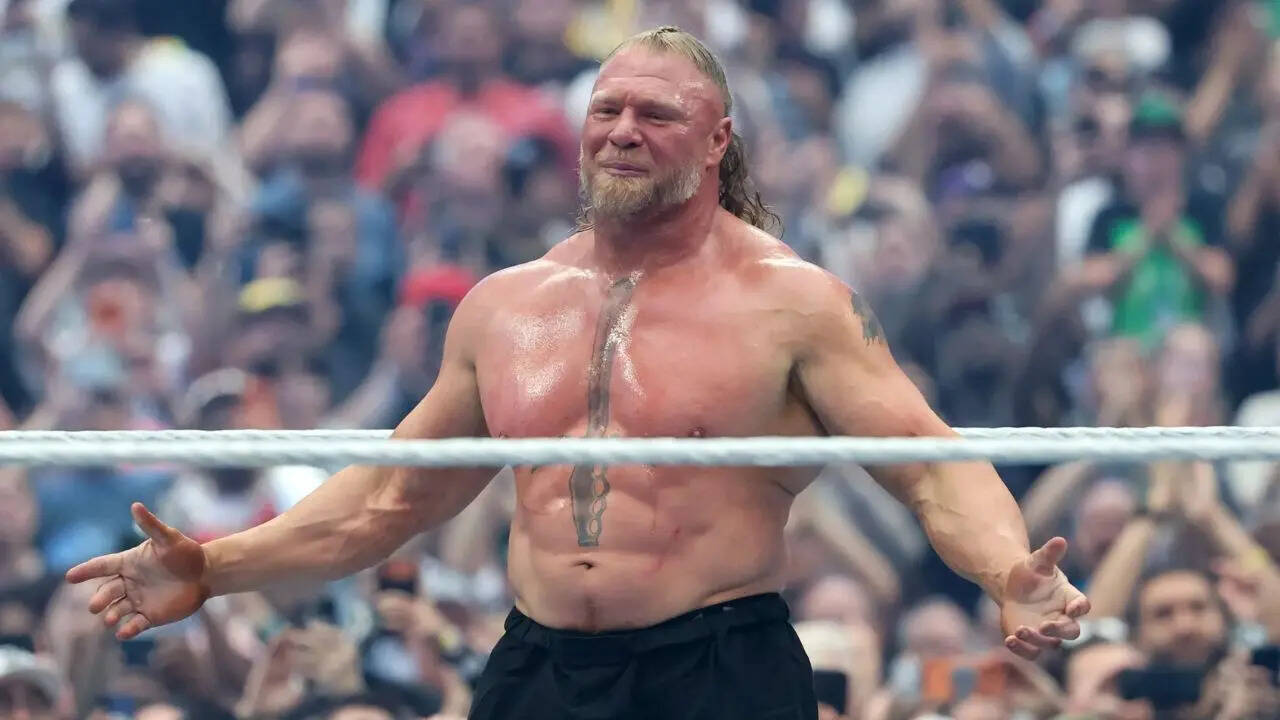
When Lesnar offered his blunt confession—"Nobody likes to lose, and I'm a sore loser, especially when..."—he pulled back the curtain on a psychological construct modern culture spends an enormous amount of energy trying to sanitize. We live in an era of the participation trophy, the sanitized corporate retreat where failure is clumsily rebranded as a "learning opportunity," and the relentless pursuit of comfort. We are told to detach our self-worth from our outcomes. We are ordered to keep smiling.
Lesnar’s confession stands as a middle finger to that sanitization.
Consider the anatomy of a true competitor. To reach the absolute pinnacle of combat sports or professional athletics, a person must harbor an ego of monumental proportions. It has to be that way. You cannot step into a steel cage or onto a mat opposite another human being intent on separating you from your consciousness without a profound, borderline delusional belief in your own supremacy. That belief is not fragile; it is ironclad. It is the core of the engine.
When that engine stalls, when the iron is bent, the psyche does not simply shrug. It fractures.
I remember watching a high-level collegiate wrestler years ago, a man who had sacrificed every holiday, every weekend, every ordinary teenage pleasure for a single decade of discipline, lose a state final by a single point in the waning seconds of the third period. He walked off the mat, refused to shake the referee's hand—a technical foul that cost his team points—and walked straight out the back doors of the arena into a freezing November rain. He didn't cry. He just stood against a brick wall, shivering, staring at nothing, completely undone.
Was he a sore loser? Absolutely. Was he toxic? According to the modern wellness manual, yes. But according to the cold, unforgiving laws of mastery, he was simply experiencing the natural consequence of caring too much.
To understand why someone like Lesnar reacts with visceral anger to defeat, we have to look past the multi-million-dollar paydays, the WWE championships, and the UFC heavyweight gold. Strip away the theater of sports entertainment and the raw aggression of mixed martial arts. At the center of it all is a farmer from South Dakota who figured out that if you work harder than everyone else in the room, you do not have to accept the alternative.
Loss is an insult to the labor. That is the part observers miss. Every sprint run in the pitch black of a rural morning, every weight lifted until the tear ducts burn, every pound cut through sheer dehydration—these are not investments made with a diversified portfolio mindset. They are sacrifices laid on an altar. When the outcome goes the other way, the competitor feels cheated. Not by the opponent, necessarily, but by the universe itself. The math didn't work. The equation failed.
Society tells us to embrace emotional equilibrium. Stay even-keeled. Don't get too high on the wins, don't get too low on the losses. But true greatness is rarely forged in emotional equilibrium. It is born in extremes. The same fire that drives a champion to achieve the impossible is the exact same fire that makes them utterly insufferable when they fail. You cannot surgically remove the sore loser from the unstoppable winner. They are the same person, sharing the same nervous system, fueled by the same terror of inadequacy.
We love to consume the triumphs of athletes, musicians, and innovators. We bathe in the confetti and the highlight reels. But we recoil from the ugliness of the aftermath. We want our heroes to be gracious losers because it makes us feel better about our own mediocrity. If the giant can smile when he is knocked down, then our own daily compromises sting a little less.
Lesnar refuses to offer us that comfort.
When he growls about losing, he is speaking for the unyielding part of the human spirit that refuses to make peace with defeat. He is reminding us that losing should hurt. It should sting like salt in an open wound. It should keep you awake at night, staring at the ceiling, replaying the sequence of events that led to the collapse.
Because if losing stops hurting, winning stops mattering.
The next time you watch a competitor storm out of a room, throw a helmet, or refuse to offer a hollow, media-trained smile into a microphone, do not rush to judge their character. Recognize the cost of admission. Underneath the bruised ego and the raw, unfiltered anger lies the beating heart of someone who dared to put everything on the line, and lost.
The lights in the arena eventually dim. The crowd filters out into the parking lot, humming songs, arguing about the referee's calls, eager to get back to their comfortable lives. But in the dimness of the back corridors, the memory of the fall remains etched into the concrete, waiting for the next sunrise, and the next war.



