Every few months, a diplomat steps up to a podium and recites the same tired lullaby. They look at a map, trace a line from Central Asia down to South Asia, and declare that the Hindu Kush is not a wall of fractured sovereignty, but a historic bridge waiting for concrete, tolls, and goodwill. Envoys love this trope. It sounds sophisticated. It sounds cooperative. It completely ignores every single physical, economic, and political reality on the ground.
Stop pretending Afghanistan is a missed shipping lane.
The lazy consensus in international relations is that geography is destiny, and if we just pour enough foreign aid, diplomatic communiques, and regional trade agreements into the Central Asian hub, the mountains will yield to commerce. I have watched policymakers burn decades and billions trying to force transnational pipelines and cross-border rail links through a terrain that actively rejects centralized state control.
Geography is indeed destiny, but not the way the optimists think.
The Myth of the Natural Trade Corridor
Let us look at the fundamental economics of transit. A trade bridge only works if the cost of moving goods across it is lower than the cost of going around it, and if the entity collecting transit fees actually controls the territory from border to border. Afghanistan offers neither.
When diplomats talk about turning the country into a bridge for prosperity, they rely on a static view of cartography. They see a shortcut between energy-rich Central Asia and markets in Pakistan and India. What they miss is that transit security requires a monopoly on violence, predictable legal frameworks, and uniform taxation. None of those exist.
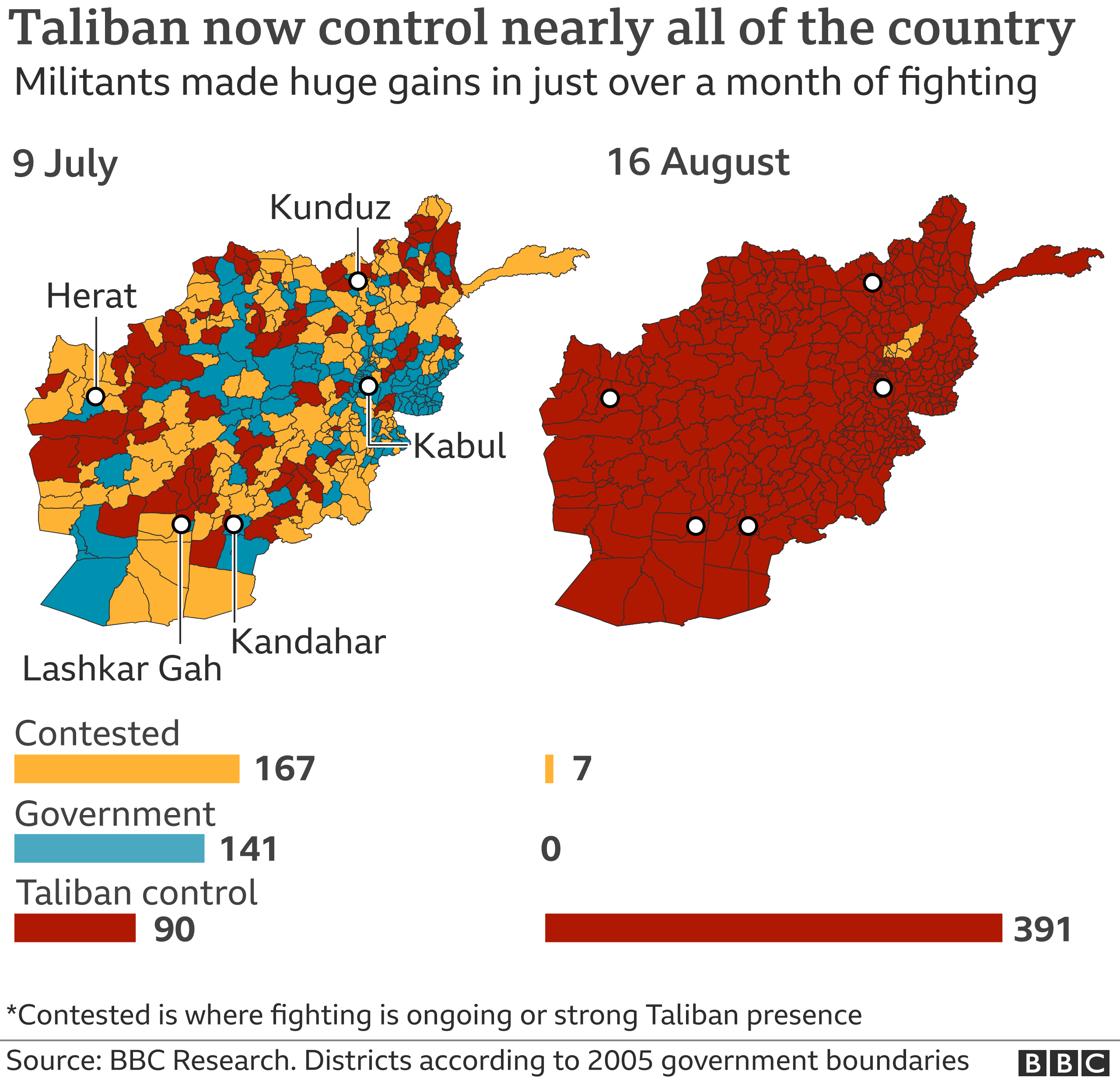
If you put a truck on the Ring Road today, you are not navigating a supply chain. You are paying off a rotating cast of local power brokers, warlords, and checkpoints that treat international commerce as a movable feast. The transaction costs dwarf any theoretical savings in distance.
Furthermore, major trade routes do not survive on goodwill. They survive on institutional trust. When a container leaves Termez heading toward Karachi, the shipper needs to know it will arrive intact, untaxed twelve times over, and unconfiscated. In a landscape defined by factional fragmentation, every provincial governor is a sovereign bottleneck.
Why Regional Envoys Keep Getting It Wrong
The diplomatic class clings to the bridge metaphor because the alternative is admitting that some geopolitical knots cannot be untied with a multilateral summit. To concede that Afghanistan's geography is an insular barrier rather than a continental connector is to admit defeat for decades of regional integration strategies.
Consider the obsession with the TAPI pipeline or the CASA-1000 power project. For years, these initiatives have been propped up by international financial institutions as symbols of inevitable connectivity. Yet, every infrastructure project mapped across this territory operates as an isolated island, vulnerable to sabotage, shifting political winds, and financial insolvency.
You cannot build a regional economic engine on top of a failing domestic economy that survives primarily on remittances, humanitarian lifelines, and informal cash flows. When the domestic tax base is microscopic, the state cannot maintain the physical infrastructure required for heavy freight. Bridges require asphalt. Asphalt requires maintenance. Maintenance requires a functioning ministry with a budget that does not come from foreign donors.
The Brutal Truth About Transit Economics
Let us run the numbers on what it actually takes to move freight through the region.
Imagine a scenario where a logistics firm attempts to move high-value manufacturing components from Tashkent to the Pakistani port of Gwadar. On paper, this cuts hundreds of miles off alternative maritime routes. In practice, the carrier faces:
- Variable Extortion: Informal tolls levied by local commanders who recognize no central writ.
- Infrastructure Deficits: Mountain passes that close for months due to weather, lacking the snow-removal capacity or electrical grid to sustain heavy tunnel ventilation.
- Insurance Penalties: Underwriters price the risk of cargo loss, seizure, or driver kidnapping at rates that instantly erase any margin of profit.
The market is not stupid. Capital flows down the path of least resistance. If moving goods across the Hindu Kush were economically viable, private equity would have bypassed the diplomats years ago. Instead, private capital stays away, leaving only state-backed vanity projects that exist to look good in annual reports.
The Counter-Intuitive Reality of Isolation
The conventional wisdom assumes isolation breeds poverty and connectivity breeds wealth. In the case of Afghanistan, forced connectivity has historically been an instrument of imperial extraction or ideological export, rarely a generator of broad-based prosperity.
When external powers try to wire the country into global supply chains without first establishing domestic institutional coherence, they create parasitic local networks. The money doesn't build a middle class; it feeds the machinery of patronage.
The most resilient economies in this geography are decentralized, local, and informal. They do not rely on trans-continental rail gauges or fiber-optic trunk lines crossing mountain passes. They rely on cross-border bazaar trade that adapts instantly to closures, conflict, and currency shifts.
By trying to force a 19th-century mercantile vision of a grand transit hub onto a 21st-century failed state, international actors miss the actual organic economic activity happening right beneath their feet.
Stop Trying to Fix the Map
If we want to talk about prosperity, we need to stop treating the region as a logistical puzzle for foreign capitals to solve. The obsession with turning the country into a bridge is really an obsession with projecting external influence under the guise of humanitarian development.
The mountains are not going to flatten. The borders are not going to transform into seamless administrative zones. And no amount of diplomatic communiqué will turn a fractured highland into a predictable logistics corridor.
Abandon the bridge fantasy. Let trade find its own messy, localized level without pretending it represents the dawn of a new Silk Road.
Geography is a wall. Deal with it.


