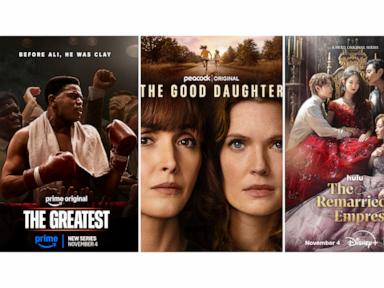
We all know that familiar paralysis. You sit down after a brutal week, open three different streaming apps, and spend forty-five minutes watching trailers without actually pressing play on anything. Most weekly roundups just dump a press release list on your lap and call it journalism. You deserve better than a copy-pasted schedule.
Right now, the entertainment calendar is throwing a weirdly specific, genuinely compelling mix at us. We've got a massive return from rock veterans Kings of Leon, a heavy-hitting biographical drama in The Greatest, an intimate relational study with Possible Love, and a fresh coat of paint on a classic Zelda adventure. If you're trying to figure out what to stream without wasting your Friday night, let's cut through the noise and look at why these four releases actually warrant your time—and which ones you can safely skip if they aren't your vibe.
Why Kings of Leon Still Command Attention on Your Speakers
Let's be honest about Kings of Leon. For a solid decade, casual listeners pigeonholed the Followill brothers as the guys who wrote "Sex on Fire" and "Use Somebody" and then vanished into festival headliner purgatory. That's a massive misread of their catalog. If you go back to their early records like Youth & Young Manhood or Aha Shake Heartbreak, you hear a scrappy, Southern garage-rock band with sharp edges. Over the last few years, they've started leaning back into that looser, less overly polished energy.
When you fire up their latest streaming drop—whether you're queuing up their newest studio tracks on Spotify and Apple Music or catching their live concert footage—pay attention to Nathan Followill's drumming and Jared's basslines. Most modern rock bands quantize everything until it sounds like a robot played it. Kings of Leon still breathe. You can hear the room.
Here's how to actually get the most out of listening to them right now:
- Skip the compressed phone speakers. Caleb Followill's vocal rasp and Matthew's reverb-drenched guitar tones get completely flattened on tiny drivers. Put on decent headphones or run it through a proper living room setup.
- Look for the live session recordings. Studio tracks are great, sure, but this band has always been tighter when the red light is on and there's no safety net.
- Compare the new material to Mechanical Bull or When You See Yourself. You'll immediately notice how much more relaxed their songwriting has become once they stopped chasing Top 40 radio dominance.
If you're expecting them to reinvent rock music, you'll be disappointed. They aren't trying to be experimental art-school kids. They're a seasoned, road-tested American rock band doing what they do best, and honestly, that reliability feels refreshing right now.
The Heavyweight Punch of The Greatest
Sports dramas and biographical series usually fall into one of two traps. Either they turn into sanitized, inspirational posters with swelling orchestral music every five minutes, or they get so bogged down in Wikipedia-style chronology that you lose the human pulse. The Greatest manages to sidestep both pitfalls by focusing on friction rather than just victory laps.
When a project takes on a figure as monumental as Muhammad Ali—or any icon carrying that kind of cultural weight—the biggest mistake filmmakers make is treating the subject like a marble statue. People don't connect with statues. They connect with doubt, stubbornness, and the messy reality of sticking to your principles when it costs you millions of dollars and your prime years.
What Makes This Watch Different From Standard Docs
Most viewers who click on a sports biography already know how the big fights end. You know the outcome before the opening credits finish rolling. Because the score isn't a surprise, the tension has to come from the rooms outside the arena.
Watch the pacing in the quieter dialogue scenes. Instead of rushing from one archival highlight clip to the next, the direction lingers on the fallout of public decisions. You see the toll that constant media scrutiny and political pressure take on a person's private circle. If you're someone who normally bounces off sports programming because you don't care about stats or box scores, don't let the premise scare you off. This is really a character study about conviction under pressure. Put your phone in another room for this one; the subtle shifts in performance carry way more weight than the loud moments.
Why Possible Love Hits Harder Than Your Average Romance
Streaming algorithms love feeding us glossy, low-stakes romantic comedies where nobody actually has to pay rent and every conflict gets solved by a dramatic airport sprint. Possible Love operates in the exact opposite universe. It treats adult relationships with the kind of uncomfortable honesty that makes you pause the screen just to catch your breath.
At its core, the story examines what happens when two people have genuine affection for each other, yet their timing, baggage, or fundamental needs refuse to line up neatly. That's a far more relatable reality for most adults than fairytale perfection.
The Trap of Expecting Easy Answers
If you go into Possible Love looking for pure escapism, you're going to get frustrated. The characters make bad calls. They communicate poorly when it matters most, and they hold onto pride long after it stops serving them.
From a filmmaking standpoint, what stands out is the restraint in the script. Nobody delivers a five-minute monologue explaining their trauma to the audience. Instead, you read it in the pauses—how someone hesitates before answering a simple text, or the way two people sit three feet apart on a couch that used to feel too big for them. Watch it with a partner if you want to spark an actual conversation afterward, or watch it solo when you're in the mood for grounded, adult storytelling that respects your intelligence.
The Zelda Remake and the Art of Nostalgia Done Right
Nintendo occupies a weird, fiercely guarded corner of entertainment. While other studios churn out half-baked remasters that barely upscale the textures before slapping a seventy-dollar price tag on the box, the team behind The Legend of Zelda usually treats its back catalog like fine architecture.
When a classic Zelda title gets a modern remake, the real question isn't whether the graphics look prettier. Of course they do. The real question is whether the developers fixed the clunky friction points of the original hardware without accidentally stripping away the soul of the game.
Quality of Life Versus Classic Friction
Think back to playing older Zelda games on legacy consoles. You spent half your time pausing the game to equip iron boots, swapping items in and out of two button slots, or wandering aimlessly because a translation error in 1998 gave you a cryptic hint that made zero sense.
Modern remakes in this franchise thrive when they smooth out the menu management while keeping the puzzle logic intact. You still have to use your brain in the dungeons. The game still refuses to hold your hand with glowing yellow paint on every climbable ledge—a bad habit that has ruined way too many modern action games.
If you're jumping into this remake this week, keep a few practical habits in mind:
- Don't pull up a walkthrough immediately. The entire joy of Nintendo's puzzle design is that "aha" moment when you realize an item you got two hours ago interacts with the environment in a weird way. Give yourself at least twenty minutes of being stuck before checking a guide.
- Play with headphones if you're in handheld mode. Koji Kondo's original compositions and the updated orchestral arrangements carry half the emotional weight of Hyrule. Tiny built-in speakers don't do the sound design justice.
- Talk to the random NPCs. Unlike open-world bloat games where villagers spout meaningless filler, Zelda townsfolk almost always drop genuine clues about hidden heart pieces or side quests.
How to Actually Plan Your Weekend Queue
Trying to cram all four of these into a single weekend is a great way to burn yourself out and enjoy none of them. Every medium requires a different kind of mental energy, so match your queue to how fried your brain actually is after work.
Start your Friday night with Kings of Leon. Put the record on while you're cooking dinner, driving, or decompressing from the week. Music doesn't demand your eyes, and it shifts your headspace immediately without requiring a two-hour couch commitment.
Save The Greatest for Saturday afternoon or early evening when you actually have the focus to sit down and absorb heavy drama. It's not background noise while you fold laundry. Give it your full attention, then take a break afterward so the story actually lands.
Keep Possible Love for a quiet Sunday night when the house is calm and you want something intimate and character-driven before Monday hits.
And where does the Zelda remake fit? That's your anchor for the weird gaps in between—forty-five minutes on Saturday morning with coffee, or an hour late at night when you want to actively engage your brain instead of passively staring at a TV screen. Pick the one that matches your energy tonight, press play, and stop letting the algorithm waste your free time.