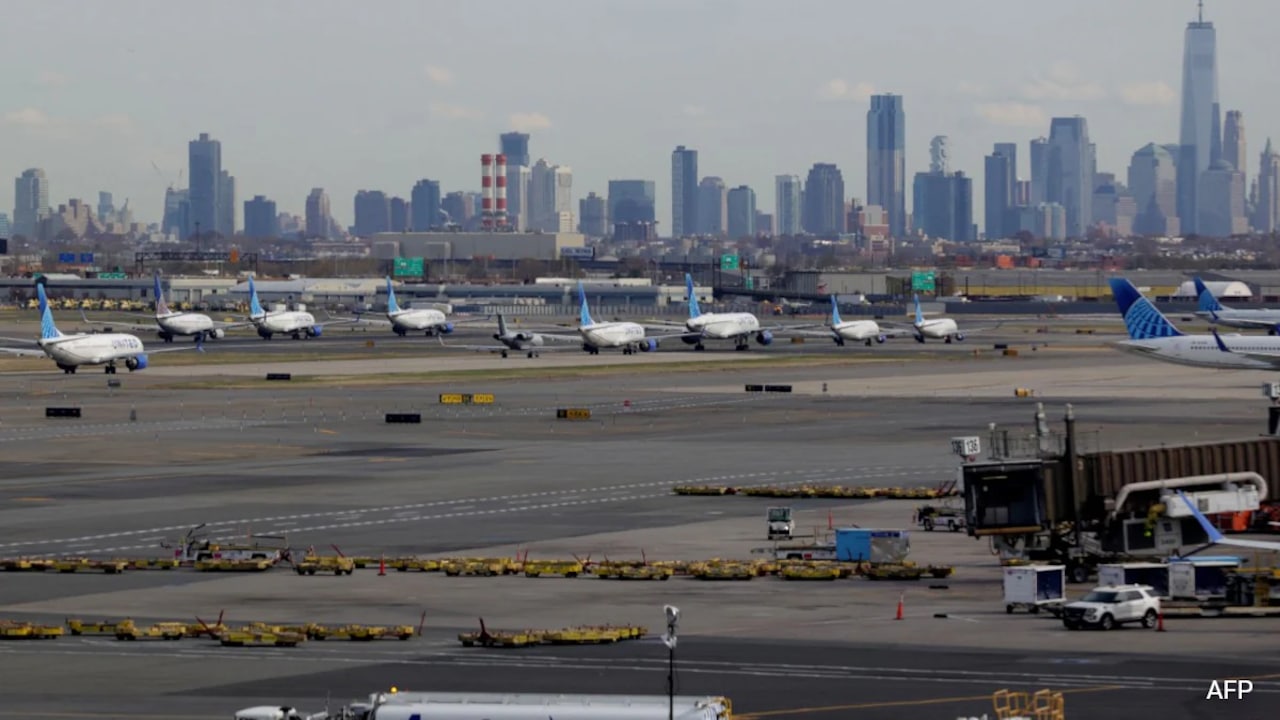
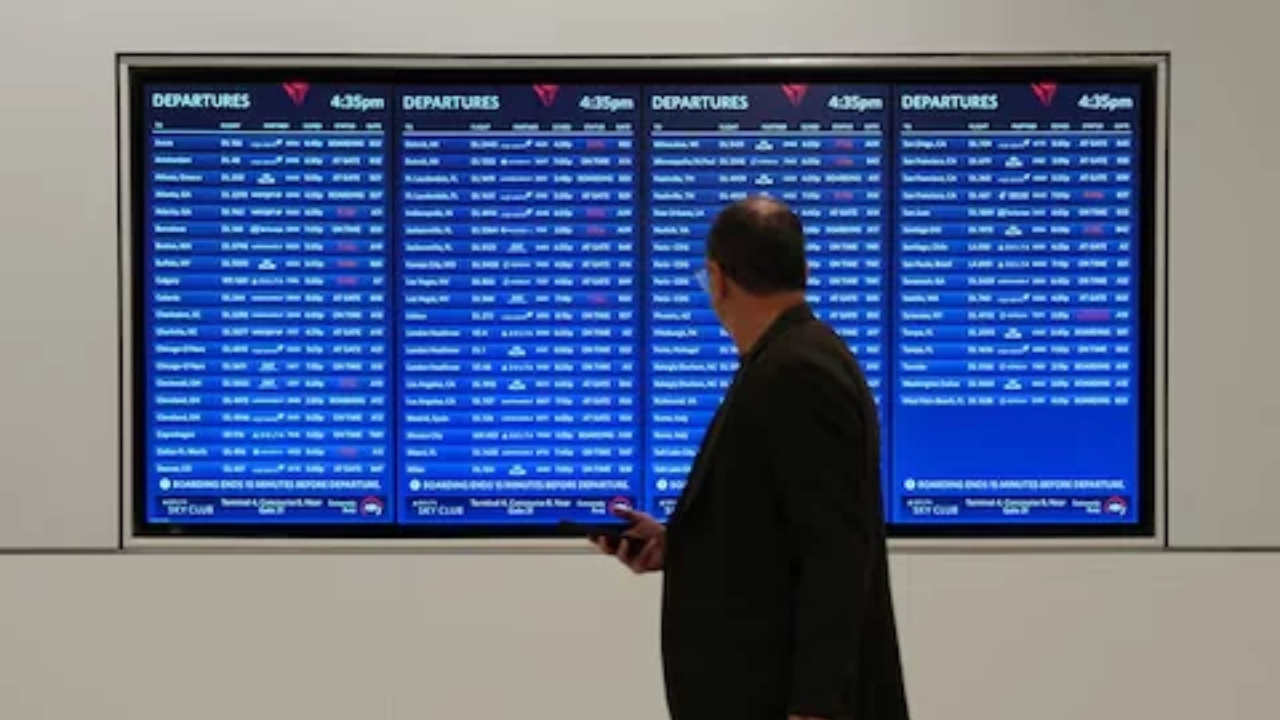
The FAA lifts the ground stop, the departure boards flip from red to green, and everyone at Gate B12 lets out a collective sigh of relief. Don't celebrate yet.
Lifting a U.S. ground stop doesn't mean your plane is suddenly ready to roll down the runway. It just means the Federal Aviation Administration has stopped holding aircraft at their origin airports for a specific destination or airspace sector. The real chaos—the cascading delays, timed-out crews, and missing aircraft—is only getting started.
If you're stuck in a terminal right now, or you've got a flight booked later today after an airspace freeze, you need to understand how airline operations actually recover. Most travelers assume an all-clear signal equals normal operations within an hour. Honestly, it rarely works that way.
Why Lifting a Ground Stop Doesn't Mean Immediate Takeoff
A ground stop is essentially a traffic management tool used by the FAA's Air Traffic Control System Command Center in Warrenton, Virginia. When severe weather, staffing shortages, or radar outages hit a major hub like Atlanta, Newark, or Chicago O'Hare, controllers can't safely handle incoming traffic. Instead of letting planes burn fuel in holding patterns, the FAA freezes departures bound for that airport.
Once the weather clears or the system reboots, the FAA transitions the ground stop into a Ground Delay Program (GDP).
That distinction matters. A lot.
Under a GDP, planes aren't cleared to leave all at once. Air traffic control assigns each flight an Expected Departure Clearance Time, known inside the industry as a "wheels-up time." If 200 planes were held back during a two-hour ground stop, they can't all land at JFK during the same twenty-minute window. Spacing them out safely takes hours.
Your airline app might suddenly show an on-time departure because the initial hold expired. Five minutes later, it pushes back by ninety minutes. That's the GDP kicking in.
The Inbound Aircraft Problem
Even if the skies above your departure airport are completely blue, your plane might be sitting on a tarmac three states away. Commercial airliners fly tight, multi-leg schedules. A single Boeing 737 might start its morning in Dallas, hop to Denver, fly to Chicago, and then come pick you up in Boston.
When a ground stop freezes Chicago, your inbound plane gets trapped there. Until that physical aircraft lands at your gate, unloads its passengers, gets cleaned, refueled, and safety-checked, you aren't going anywhere.
Check your airline's mobile app for the "Where is my plane?" feature. United, Delta, and American all offer this right inside their flight status screens. If your inbound aircraft hasn't even taken off from its previous city yet, ignore whatever optimistic boarding time is printed on your paper pass.
How Crew Timeouts Wreck Post-Stop Schedules
Planes are machines. Pilots and flight attendants are human beings governed by strict federal safety laws.
Under FAA regulations (specifically Part 117 for pilots), flight crews have hard limits on how many hours they can remain on duty. These limits depend on when their shift started and how many flight segments they've flown that day. There is zero wiggle room.
Picture a crew that reported for duty at 6:00 AM. A three-hour ground stop traps them at the airport all afternoon. By the time the FAA clears the airspace at 5:00 PM, the pilots might only have ninety minutes of legal duty time left—not enough to complete a two-hour flight to their next destination.
The crew "times out."
When a crew times out, your flight is grounded even if the plane is fueled, the bags are loaded, and the weather is crystal clear. The airline now has to scramble to find reserve pilots or flight attendants. If you're at a major hub like Charlotte or Houston, a backup crew might arrive in forty-five minutes. If you're at a smaller regional airport like Savannah or Boise, the airline might have to fly a replacement crew in on another commercial flight. At that point, your delay turns into an overnight cancellation.
What You Should Do the Second the Ground Stop Lifts
Sitting quietly at your gate waiting for an announcement is the worst strategy you can pick. By the time the gate agent gets on the microphone to announce a cancellation or a four-hour delay, fifty other people are already rebooking on their phones.
1. Rebook Before You Queue
The moment you see your flight delayed by more than an hour after a ground stop ends, open the airline's app. Most major U.S. carriers automatically waive change fees during widespread disruptions and let you switch to another flight for free right inside the app.
Don't just look at direct flights. If you're trying to get from New York to Los Angeles and nonstop seats are gone, search for connecting itineraries through hubs that weren't affected by the ground stop. Going through Salt Lake City or Minneapolis beats sleeping on a terminal floor in Newark.
2. Use Multiple Channels Simultaneously
If the app throws an error message—which happens constantly during system-wide meltdowns—attack the problem from three angles at once:
- Get in the physical customer service line at the airport.
- Call the airline's reservation line (if you have elite status, use that dedicated number).
- Message the airline via their in-app chat or on X (formerly Twitter).
Whichever agent answers first wins. Just make sure you step out of the physical line once your phone agent confirms your new boarding pass so you aren't holding up fellow travelers.
3. Check Co-Terminal Airports
If you're flying into or out of a metro area with multiple airports, ask the agent to switch your destination or origin. Airlines routinely allow "co-terminal" changes during irregular operations at no extra cost.
Stuck trying to get into LaGuardia? Ask for JFK or Newark. Trying to reach Washington Reagan National? Check Dulles or Baltimore-Washington (BWI). Flying into Midway instead of O'Hare, or Fort Lauderdale instead of Miami, can save your entire trip when one specific airport's airspace remains congested.
Know Your Rights on Refunds and Vouchers
Airlines love to blame everything on "weather" or "air traffic control" because those classifications protect their bottom line. Under U.S. Department of Transportation (DOT) rules, airlines are not legally required to pay for your hotel room, meals, or ground transportation when a delay or cancellation is caused by severe weather or an FAA-mandated air traffic control hold.
They only owe you cash compensation or hotel vouchers when the disruption is within the airline's control—such as a mechanical issue, routine maintenance, or poor crew scheduling unrelated to weather.
Here is where it gets tricky after a ground stop ends. Sometimes, the initial two-hour delay was caused by an FAA ground stop, which is outside the airline's control. Later that evening, your flight cancels because the replacement aircraft had a broken hydraulic pump. That cancellation is controllable. Always ask the gate agent specifically what the primary cancellation code is in their system, and check the DOT's Airline Customer Service Dashboard at transportation.gov/airconsumer to see exactly what each carrier has committed to providing.
The Cash Refund Rule
Regardless of whether a delay was caused by weather, an FAA ground stop, or a mechanical failure, federal law is clear on one thing. If your flight is canceled or significantly delayed—defined by the DOT as more than 3 hours for domestic flights and more than 6 hours for international flights—and you choose not to travel, the airline must give you a full refund to your original form of payment.
Don't let an agent pressure you into accepting a travel voucher or flight credit if you decide to cancel your trip altogether. Vouchers expire and come with restrictions. Under current DOT regulations, airlines are required to issue automatic cash refunds within seven business days for credit card purchases if you reject their rebooking alternatives.
What About Your Checked Bags?
If you already checked a suitcase before the ground stop hit, your bag is likely sitting inside a sorting facility under the terminal.
When you switch to a different flight on the same airline, your bag tag usually updates electronically in their baggage handling system, routing your suitcase onto your new plane. Usually. During massive post-ground-stop recoveries, baggage systems get overwhelmed, and bags frequently miss tight connections.
If you switch to a completely different airline (known as an "interline" rebooking), your bag will almost certainly not follow you automatically unless a gate agent manually retrieves it and re-tags it—a process that takes hours. If you abandon your trip and head home, go directly to the airline's baggage service office near the carousels before leaving the airport to file a pull request for your luggage.
Keep essentials, medications, chargers, and one clean change of clothes in your carry-on bag every single time you fly. Never trust checked luggage during a day with active FAA advisories.
How to Track Real Airspace Recovery Yourself
Stop relying on generic flight-tracking apps that just parrot the airline's delayed schedule updates. Look at the exact same public data air traffic controllers use.
Go to the FAA's National Airspace System Status page at nasstatus.faa.gov. It's ugly, plain text, and completely accurate. It shows active ground stops, active Ground Delay Programs, average delay times in minutes, and whether delays are increasing or decreasing at every major U.S. airport.
If you see your destination airport listed under a Ground Delay Program with an average delay of 145 minutes and trending upward, you know the recovery is going poorly. Book a hotel room near the airport right then, before the 400 other people on your concourse realize they aren't making it home tonight.