Sports and politics never actually separate. Anyone telling you otherwise is selling you a fairytale. The moment FIFA awarded the 2030 World Cup to a joint bid spanning Spain, Portugal, and Morocco, politicians started popping champagne. They talked about bridges across cultures. They smiled for the cameras. They ignored the actual diplomatic minefield sitting right in the Mediterranean.
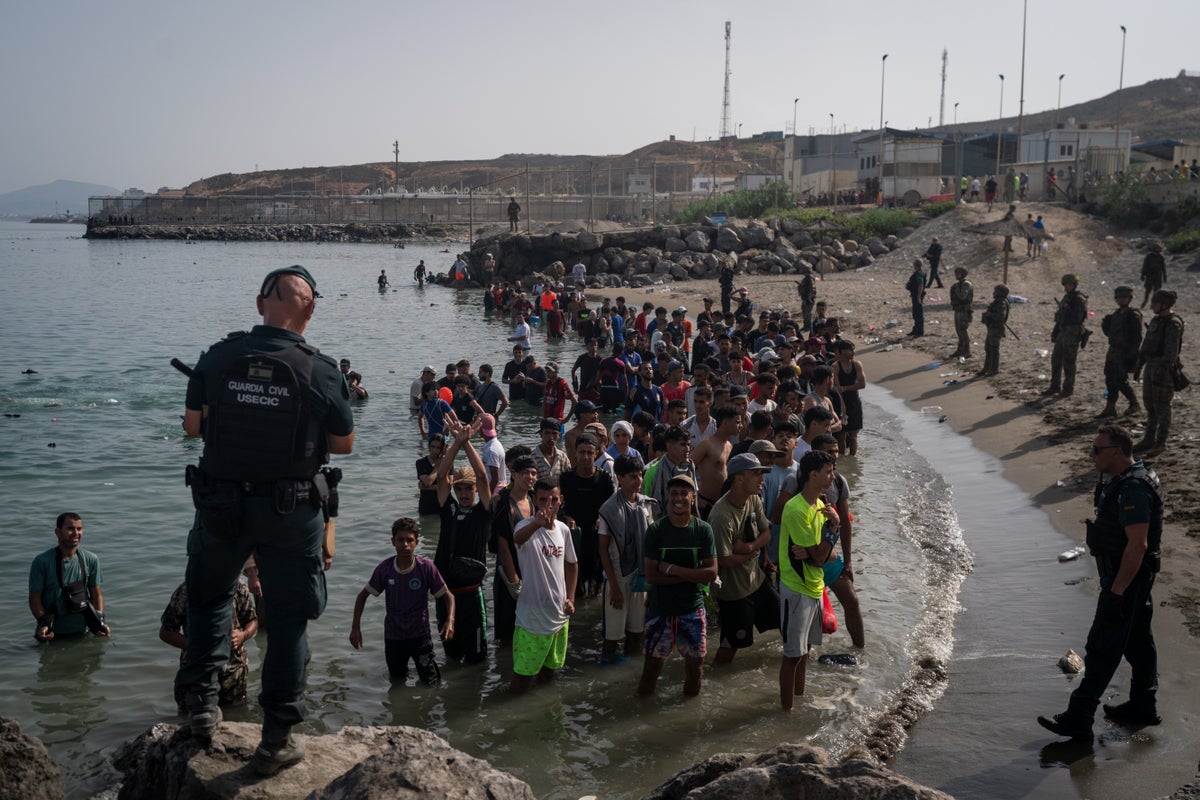
Then reality hit. The Ceuta border crisis flared up again, and suddenly everyone is asking whether Spain should actually be co-hosting football's biggest tournament with a neighbor sitting across a chronically tense geopolitical fault line.
You cannot separate the logistics of moving millions of fans from the bitter diplomatic disputes happening over border enclaves. If you are wondering why domestic critics are suddenly screaming for a boycott or a complete reassessment of the 2030 World Cup, you have to look past the official press releases and examine what is happening on the ground.
The Geopolitical Cost of Joint Bids
FIFA loves joint bids. They spread the financial risk. They look inclusive on paper. But they also tie a nation's sporting pride to volatile international relations. Spain and Morocco share a complicated history that goes back centuries, punctuated by modern disputes over migration control, maritime boundaries, and the sovereignty of North African enclaves like Ceuta and Melilla.
When diplomatic relations sour—which happens with depressing regularity—the friction bleeds into everything else.
Imagine trying to coordinate security protocols for thousands of international supporters when border gates can close on a whim due to a political standoff. It is a logistical nightmare. Politicians in Madrid are facing mounting pressure from opposition parties who argue that partnering so closely with Rabat weakens Spain's hand in bilateral negotiations.
When you hand a regime like Morocco's the global legitimacy that comes with hosting a World Cup match, you give them immense diplomatic leverage. Critics aren't just complaining about football matches. They are talking about sovereignty, security, and leverage in migration negotiations where Madrid frequently feels hung out to dry by Brussels and Rabat alike.
What Politicians Refuse to Say About Ceuta
Let us be completely honest about what Ceuta represents. It is a tiny slice of Spanish territory on the African continent. It is also one of the few land borders between the European Union and Africa. Because of that geographic reality, it functions as a pressure valve for migration.
When diplomatic tensions rise, migration flows suddenly accelerate. Governments in Rabat know how to turn the tap on and off.
Spain deals with the fallout. Local authorities in Ceuta get overwhelmed. Then, a few months later, backroom deals happen, money changes hands, and everyone pretends relations are warm again.
Now drop a multi-billion-dollar global sporting event right into that unstable mix.
Domestic critics arguing against the 2030 tournament aren't just being difficult. They are pointing out a glaring vulnerability. If Spain relies on Morocco for joint tournament infrastructure and security cooperation, what happens during the next border crisis? Does Madrid compromise its foreign policy stance to protect ticket sales and stadium construction deadlines?
History says yes. Governments always prioritize the optics of a mega-event over messy diplomatic principles. That is precisely what makes activists and opposition lawmakers furious.
The Fan Experience Nobody is Talking About
Let us talk about the fans for a second. FIFA expects millions of people to travel freely between Spain, Portugal, and Morocco during the tournament. Have you ever tried crossing the land border at Ceuta or taking the ferry from Algeciras during peak periods? It can take hours under normal circumstances.
Multiply that by tens of thousands of hyped-up football supporters with different passport controls, visa requirements, and security clearances.
Morocco is investing heavily in high-speed rail and stadium upgrades. That is true. But infrastructure alone does not fix political distrust. If border checks become flashpoints during the tournament, fans will suffer.
Furthermore, civil rights groups have raised legitimate concerns about how Morocco treats protesters, journalists, and marginalized communities. Hosting a mega-event whitewashes those domestic issues. When you watch a match broadcast from Casablanca or Tangier, you are seeing a carefully curated narrative designed to project strength and stability.
Does Spain want to underwrite that narrative while its own territorial integrity and border security remain regular bargaining chips in diplomatic spats? That is the core question local politicians are dodging.
Moving Past the Sports Washing Machine
FIFA has a terrible track record when it comes to vetting host nations. Qatar proved that football governing bodies care far more about cash flow and television rights than human rights or regional stability.
Spain stepping up to host alongside Portugal and Morocco was pitched as a modern, progressive triumph of cross-continent cooperation. It sounded great in a boardroom in Zurich. On the ground in Madrid and Ceuta, it looks reckless.
If the Spanish government refuses to reconsider its position, it signals that political expediency always beats national security and consistency. Public pressure needs to stay high. Fans deserve transparency about the real costs of these mega-events, beyond just the price tag of building new concrete stadiums.
Keep an eye on how bilateral talks develop over the next year. If border tensions spike again—and they almost certainly will—the cracks in this partnership are going to widen very quickly. Stop buying the marketing spin. Insist on accountability before another euro of public money gets poured into a tournament built on unstable ground.